His Love of Science Never Fully Died, Even in a Gang at 15
He read science in juvenile detention, dreamed of seeing Earth from space, and now photographs galaxies while studying physics.
 Say Less Podcast · EP 24 : The Power of Believing in Yourself
In the dream, Luis rolled over in bed and saw a bright glare coming through a window. The room he was in seemed to turn, and outside was Earth in plain view. He felt a rush through his body, the same sensation he had heard astronauts describe when they see the planet from space for the first time. He had never been to space, yet in the dream he felt it too.
Through all the years when he was fully in gang life, science stayed with him. The passion never fully died, he says, though at times it went down a bit, and the hope of doing something with it died.
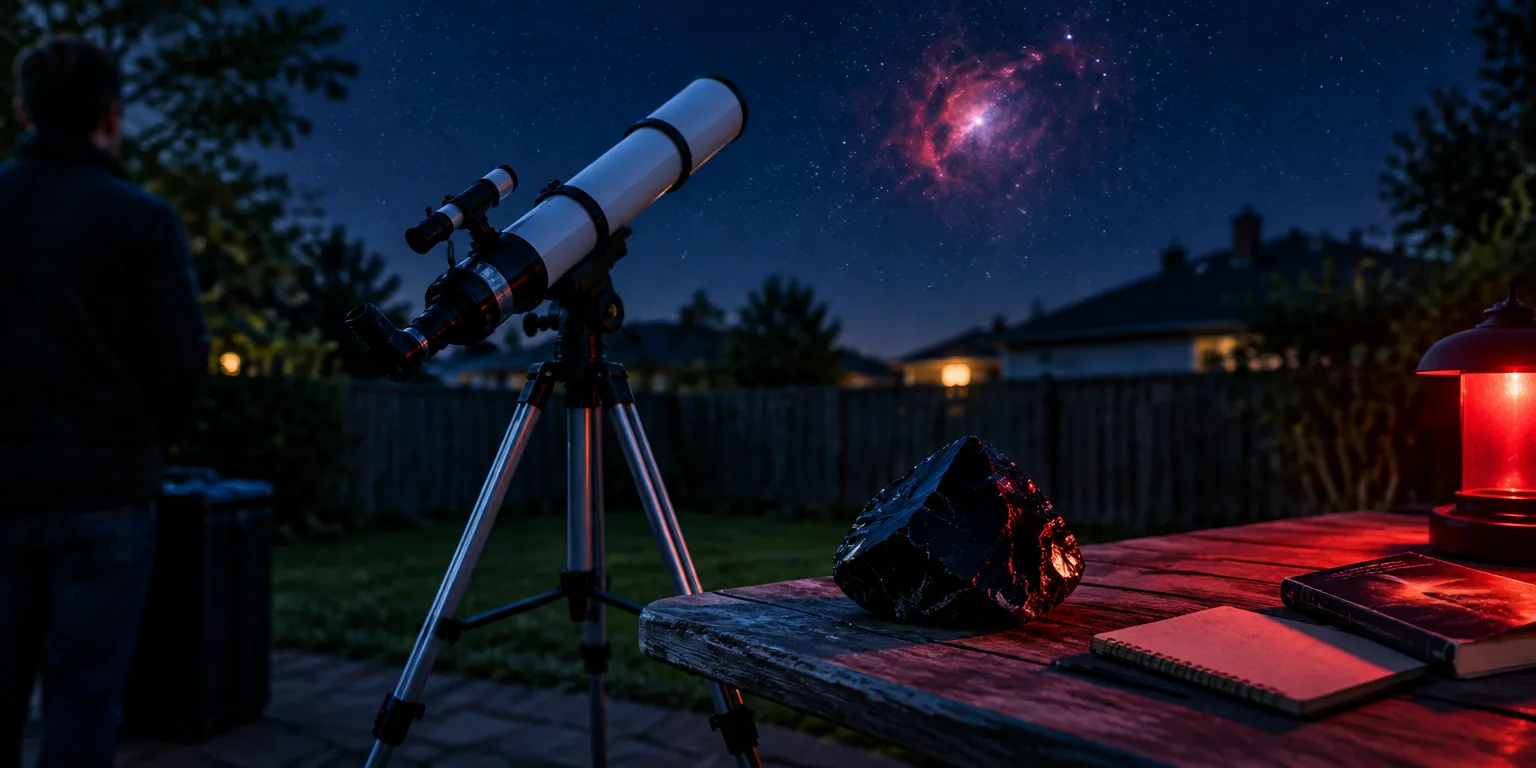
As a boy he had loved dinosaurs and geology, and learning how science touches daily life, from the air people breathe to the largest objects in the sky. In fourth grade, like many children, he made the classic volcano from baking soda. In middle school, his science teacher, Ms. Hajduk, brought a piece of obsidian, rock formed from cooled lava, into class. To Luis it was a piece of a volcano, dried lava he could hold, and it sparked his curiosity about physics and biology and how different branches of science meet.
By 15, he says, he was already in a gang and had a lot of tattoos at a young age. He was still reading. Even in juvenile detention, a locked facility for young people, he looked for science articles. When the vocabulary was hard or the piece was long, he stayed with it and learned from bits and pieces.
The hope of making something of that interest faded because he did not know if he would survive to 18, and he knew almost no one in his community who cared about science, let alone someone from gang life. When he talked about science to probation officers in jail or people on the street, they were surprised at how much he knew. He did not consider himself the smartest person, he says, just curious and absorbing knowledge.
That contrast still surprises people. At first glance he looked like a bald, tattooed young guy, and no stranger would guess that he could talk at length about astronomy, the study of stars, planets, and other objects in space. His dream about seeing Earth from orbit changed his thinking. If his mind was on space even in his sleep, he felt, he owed it to himself to at least give science a shot.
Luis is now a single father studying physics and astronomy at PCC, a community college. He owns telescopes, goes out on his own observing trips, and takes photographs of galaxies and clouds of gas and dust where stars form. Working for NASA, the American space agency, feels like a long shot, he says, but that is the dream. His goal is to contribute something to the world, even one small thing, and leave a legacy he can call an accomplishment.
Questions people ask
What do astronauts feel when they first see Earth from space?
Astronauts often report awe, unity, and a new sense of the fragility of Earth when they see it from orbit. Researchers call it the overview effect, and Luis describes feeling that same sensation in his dream.
What is a nebula?
They are clouds of gas and dust in space, often places where new stars are born. Some are the remains of exploded stars, and Luis photographs them through his telescopes.
What is obsidian?
It is volcanic glass that forms when lava cools very quickly. It is usually black, sharp edged, and can look like dark glass, which is why a classroom sample stood out to Luis.