His tracker ran hot for two days before chest pain sent him to the ER
The numbers moved for two days while he had no symptoms he could feel.
 All-In with Chamath, Jason, Sacks & Friedberg · WHOOP CEO, Will Ahmed: 50B Hours of Health Data, a 4 Million Member Data Moat, & the FDA Fight
On Thursday morning, Jason Calacanis, a tech investor and podcast host, woke up and checked his wrist tracker. His breathing rate overnight was up by about two breaths a minute, and his skin temperature was about two degrees higher than normal.
That might sound small. Ahmed, Whoop's chief executive, said breathing rate almost never moves. A rise of two breaths matters since breathing usually barely changes night to night.
The next morning the numbers were still off. Calacanis tried a warm bath and electrolytes and told himself he might be coming down with something. People in his house had a respiratory bug, though he had no cough, no fever, and no other symptoms he could feel.
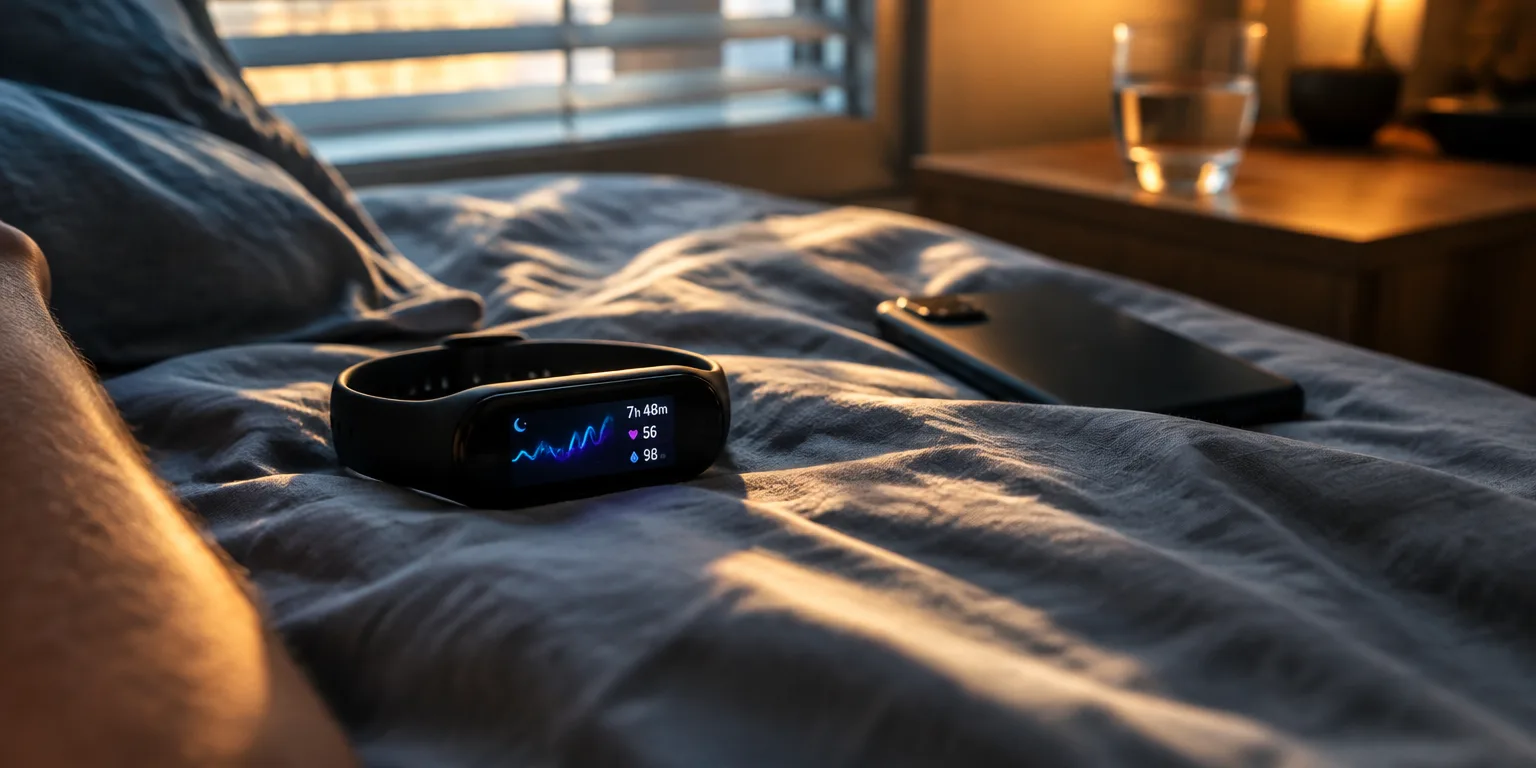
The tracker had flagged two days of changes, on Thursday and Friday, while he had no symptoms he could feel. A band worn day and night records breathing, resting pulse, skin temperature, blood oxygen, and the tiny variation between heartbeats.
On Sunday night, Calacanis could not sleep and started getting chest pains. At 1 a.m. he put his Tesla in self driving and went to a heart center in Austin, Texas. He knew from past work on an ambulance that chest pain in a 55-year-old man could be serious or could be indigestion, and he wanted every test.
From 1 a.m. to 7 a.m., doctors ran electrocardiograms, which trace the heart's electrical activity, and a CT scan, a detailed X-ray of the chest. Doctors ruled out a heart attack. He said he had inflammation in his lungs and around his chest, and that his heart was being constricted.
What stayed with him was that the tracker had put him on high alert two days earlier. He arrived at the emergency room already watching his body. He said much the same thing had happened three years earlier, when spiking skin temperature and a strange heart reading preceded a COVID infection.
That time he went to a Duane Reade, took a test, got a positive result, and got Paxlovid, an antiviral pill used early in COVID, all in the same day.
Questions people ask
Was he having a heart attack?
No. He said doctors ruled out a heart attack after electrocardiograms, a CT scan, and other tests through the night. The diagnosis was inflammation in and around the lungs that was constricting the heart, which explained the chest pain.
What is respiratory rate, and why does a rise of two breaths matter?
Respiratory rate is the number of breaths you take per minute, usually measured during sleep by a wrist tracker. In healthy adults it is very stable night to night, so a sustained rise of one or two breaths can signal infection, inflammation, or other stress before obvious symptoms appear.
Does a higher skin temperature on a tracker mean you have a fever?
Skin temperature measured by a wearable is not the same as a fever reading from a thermometer. It tracks small overnight changes in wrist temperature, which can rise with infection, poor recovery, travel, alcohol, or a warm room, so it is a clue rather than a diagnosis.