His Wife Warned Him About SpongeBob Peanut Butter. She Was Right.
Former NFL kicker Todd Peterson ignored his wife's warning on a cartoon-character grocery deal that flopped, and now asks others if they have consulted theirs.
 POWERS Pod · #403 - Todd Peterson - A Message For Men
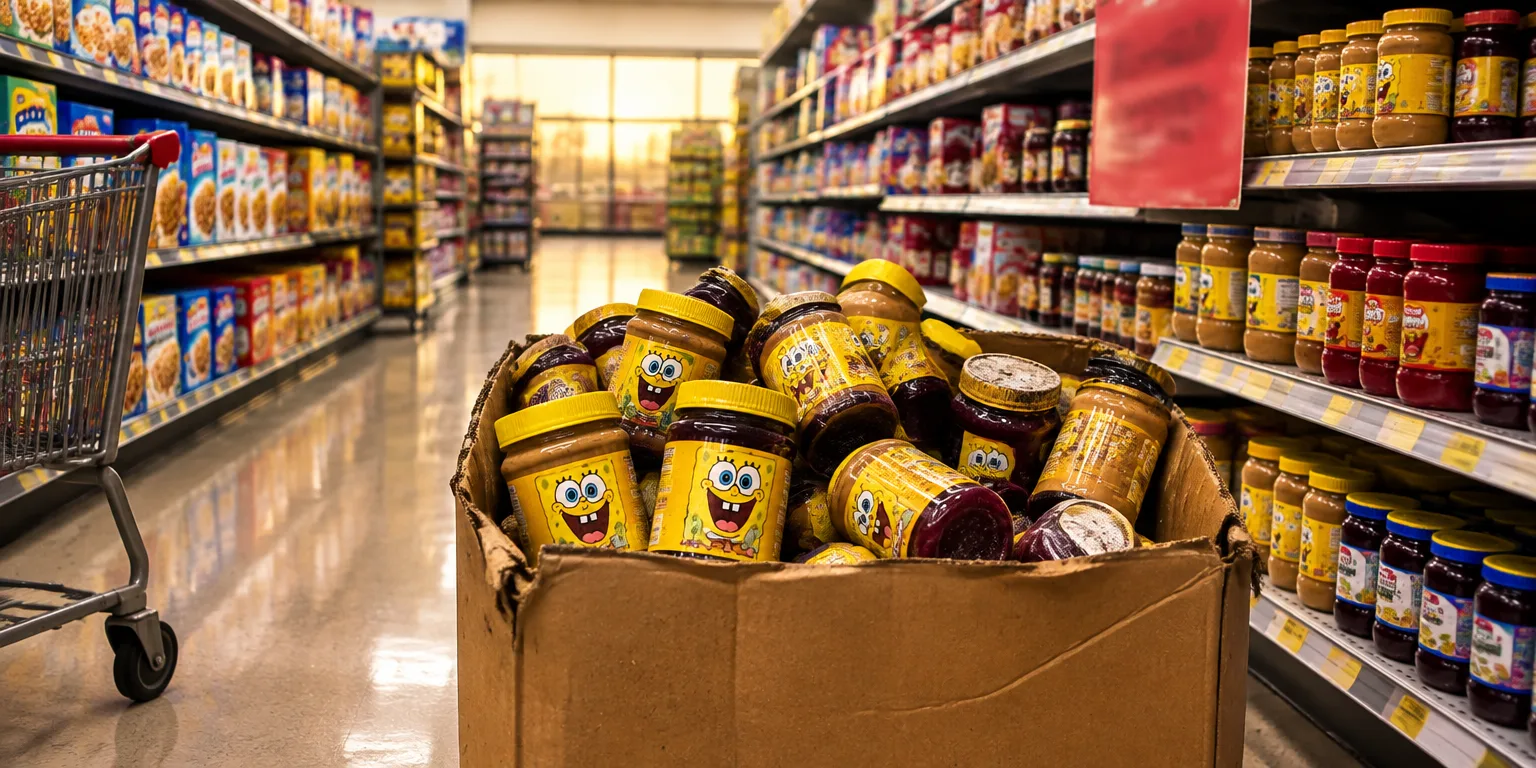
The jars were supposed to sell themselves. Former NFL kicker Todd Peterson and a couple of friends had the licensing rights to put SpongeBob SquarePants, the cartoon character who lives in a pineapple under the sea, on peanut butter and jelly.
The plan was to wrap his grinning face around the jars and get them into grocery stores around the country. The man hired to sell it knew distribution and knew the big grocery chains. Peterson was convinced it would work.
Their wives were not. “I don’t think so,” they said. The men went ahead anyway, and Peterson now says his wife was right and it was not a great investment.
That flop helps explain Peterson’s rule for big choices. His first response to almost any decision is to ask the person bringing him the idea whether he has talked to his wife, because he benefits from his own wife’s view.
He describes his wife as someone he loves and trusts, his teammate and partner who believes the best about him. She is closest to his daily life and knows him better than anyone, so he wants her opinion before he acts. He figures that if he skips it, he will hear about it later from God: “Hey, doofus, why didn’t you ask her?”
For Peterson, leaving a wife out is foolish, dismissive, and disrespectful. He argues that God gave a husband a wife to help him and complete him, and that together a couple can achieve more than either could alone.
A friend of Peterson’s says his wife, Michael, has sharper business judgment than most of his business friends, with a strong record of being right about relationships and ideas.
Questions people ask
What was the SpongeBob peanut butter and jelly deal?
A license gives a company the paid right to put a popular character on its product. In this case, Peterson and his friends had the right to use SpongeBob SquarePants on jars of peanut butter and jelly they hoped to sell in grocery stores.