Horror Is Not About Cruelty. It Is About Empathy.
Cargill calls horror extreme empathy, and Hawke points to the power of performed fear.
 Last Podcast On The Left · Last Interview on the Left: Midnight Radio w/ Ethan Hawke & C. Robert Cargill
The conversation had turned to faith and dark stories when C. Robert Cargill, the screenwriter of Sinister and The Black Phone, offered his definition of the genre he works in.
He was talking with actor Ethan Hawke about why horror and religion so often overlap. Cargill said, "Horror is not about extreme sadism. It's about extreme empathy."
By that, Cargill meant that making horror means empathizing with others. He added that "empathy is the core of any great religion," which is why the two go together for him.
Hawke said he learned the same lesson from director Scott Derrickson. Derrickson told him that actors love to play vulnerable, sexy, tough, or confident, but playing scared does not appeal in the same way.
Playing frightened is an unglamorous position for a performer, Hawke said.
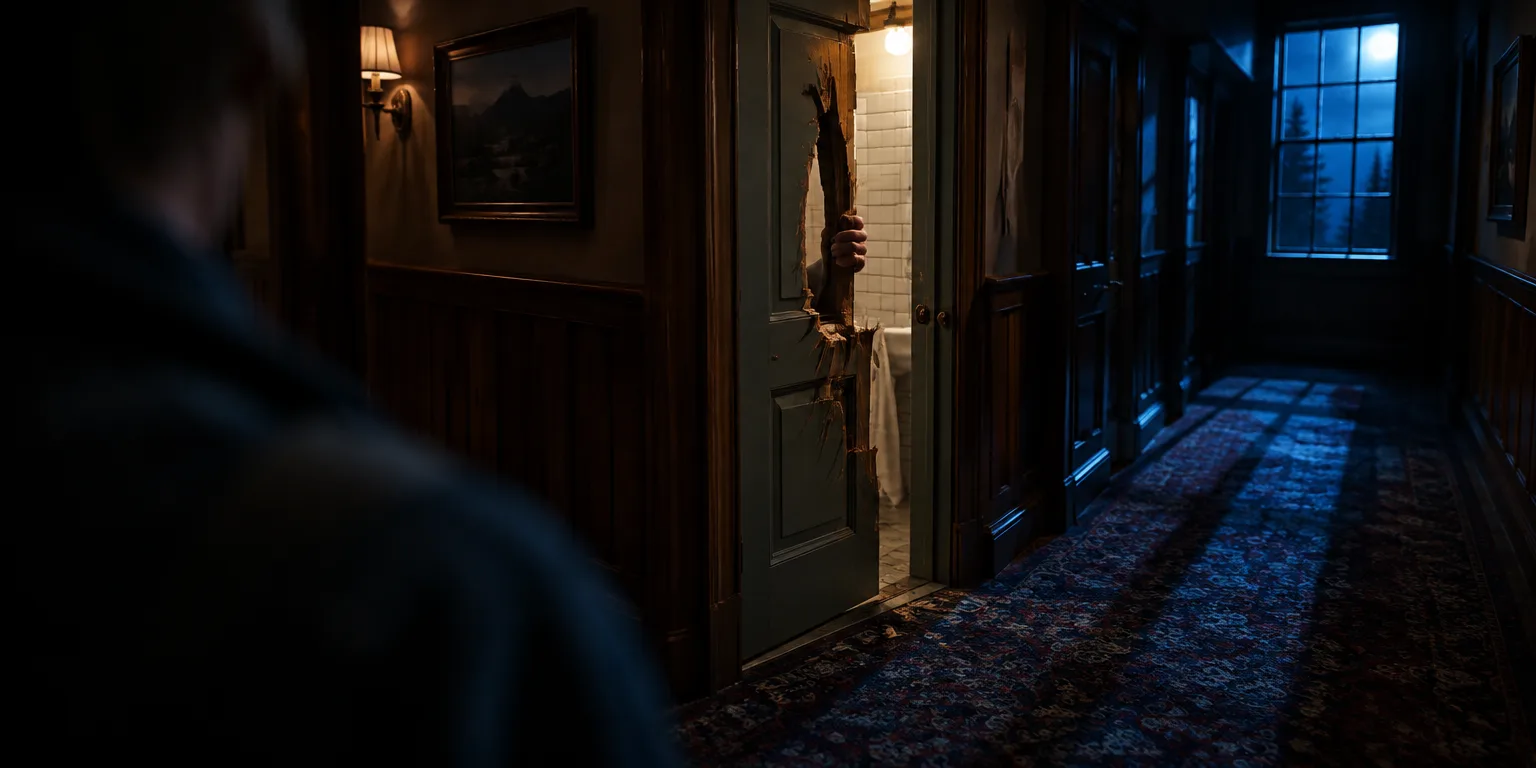
His example was Shelley Duvall in The Shining. He argued that her performance of fear is what makes Jack Nicholson so powerful when he breaks through the door for the Here's Johnny moment.
Most of us move through life feeling a tremendous amount of fear, Hawke said. He said that "if we don't have empathy for it, we don't have empathy for ourselves in a very profound way."
Questions people ask
Why would actors dislike playing scared?
Actors often want to look capable and in control, even when playing vulnerable. Playing truly frightened means surrendering composure, shaking, crying, or freezing, which can feel exposed and unflattering on camera.
What is the Here's Johnny scene Hawke is talking about?
Duvall plays Wendy Torrance, the wife trying to protect her son as her husband, played by Nicholson, becomes violent. In the bathroom-door scene, her terror and desperate self-defense tell the audience what is at stake, so his menace registers more sharply.
How does empathy connect horror and religion?
Both ask people to imagine suffering they have not personally endured and to respond with care. Cargill, who was raised Catholic, pointed to stories of martyrdom and crucifixion as examples of religious narratives built around witnessing pain.