How a Failed Invasion in Cuba Turned Kennedy Against the CIA
Three months into office, he withheld air support to hide America's role, then suspected the agency had tried to bully him into war.
 Who Killed JFK? · "Shots Have Been Fired"
John F. Kennedy ran for president promising toughness against communism. A few months into the job, after a failed invasion of Cuba, people who heard him said Kennedy vowed to “splinter the CIA into a thousand pieces and scatter it to the winds.”
The promise came first. When Kennedy ran in 1960, the country lived with nuclear drills, fears that communists were everywhere, and the domino theory that one country turning communist would tip the next. A historian interviewed in the podcast explains that Democrats had to show they were as tough on communism as Republicans. The test was Cuba, where Fidel Castro’s 1959 revolution had created a possible communist ally only 90 miles off Florida.
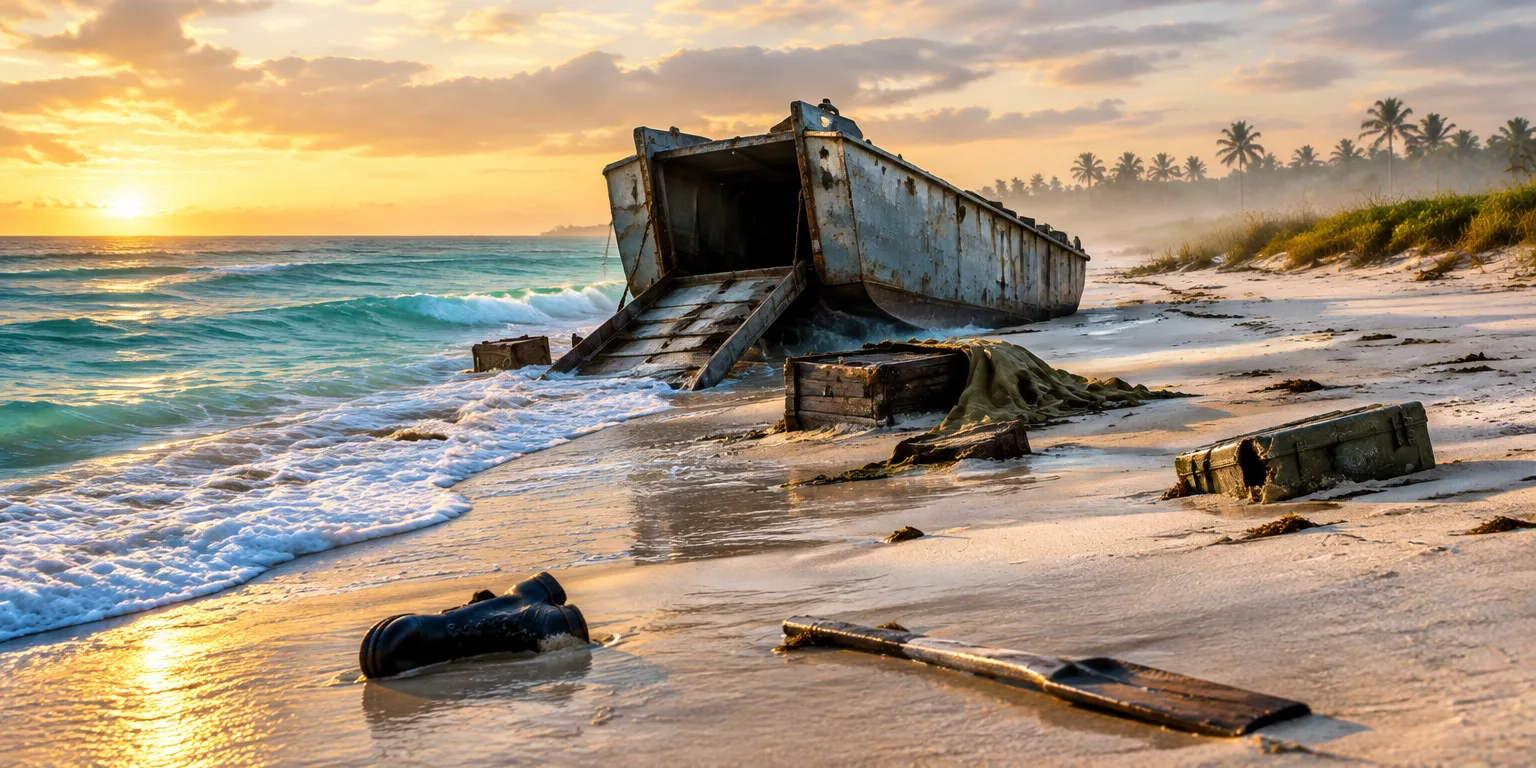
The invasion plan was waiting for him. Before Kennedy took office, President Dwight Eisenhower’s administration had arranged a secret landing at Cuba’s Bay of Pigs. Cuban exiles would invade, spark a revolt, and topple Castro, while Washington pretended Americans had no part in it.
Kennedy had been in office about three months when he approved it to show how tough he was. He also insisted there would be no American fingerprints on the operation. When the exiles met fierce resistance, Kennedy withheld American air support, and the exile force on the beach was overwhelmed and destroyed.
Kennedy publicly took full responsibility. A historian in the podcast says he felt betrayed, “stabbed in the back, disappointed and disenchanted.” He came to think the agency was pressing him toward a war he wanted to avoid.
After that failed landing, he fired Allen Dulles, the agency’s first chief hired from civilian life, a man nicknamed the Godfather of the CIA with close ties to oil and finance.
A year later came another Cuba showdown. Surveillance pictures showed the Soviets installing nuclear missiles on the island, bringing a direct nuclear threat close to the United States. Military leaders saw the chance they had waited for to invade Cuba. Most advisers favored an immediate attack, and Kennedy stood in the minority for a negotiated way out. The crisis ended in a compromise that removed the missiles.
The choice left deep anger inside the government. National security leaders were troubled by how Kennedy handled the crisis. The country’s top military commanders were enraged, and opposition inside the CIA was especially intense.
Questions people ask
What is the CIA, and why was firing Allen Dulles a big deal?
The CIA is the civilian foreign intelligence service of the United States. Allen Dulles ran it from 1953 to 1961 and built much of its early covert operations apparatus, which is why his firing was such a shock to the national security establishment.
Did the Bay of Pigs invasion come close to succeeding?
No. The brigade of about 1,400 exiles was defeated within three days, with more than 100 killed and most of the rest captured. The failure publicly embarrassed the United States and strengthened Castro's standing at home.