How Apache Made a Business of Big Oil's Castoffs
Raymond Plank bought the older fields that Shell, Mobil, and Texaco were happy to sell, then squeezed more oil from them.
 Founders · How Raymond Plank Made a Fortune in Big Oil's Scraps
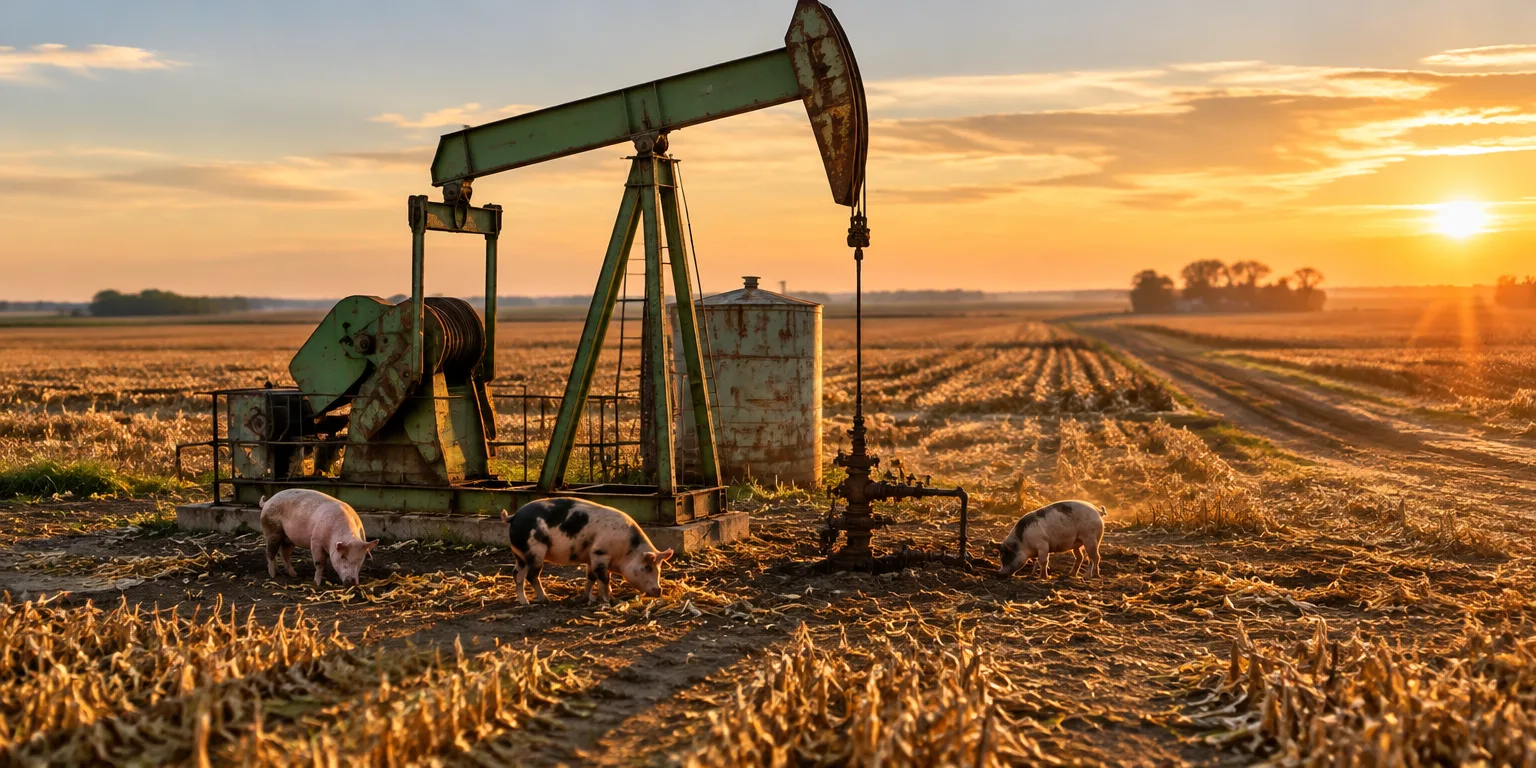
When a reporter asked Raymond Plank, the founder of Apache Corporation, why his company could still profit from Texaco fields that had pumped oil for a long time, Plank answered with a farm image.
"We're a bit like pigs following cows through a corn field," he replied. "The scraps are pretty good for a company with our particular strategy."
Plank meant that Apache could thrive on what the giants left behind. He had founded Apache in 1954 with just $250,000, and by mid 2008 that stake had grown into $50 billion in value, a growth built over decades through acquisitions.
The logic rested on different incentives, Plank argued. The large integrated companies wanted to cut costs and free up cash to hunt for bigger fields. As their fields depleted, they limited spending on them and focused instead on untapped prospects around the globe. Their infrastructure was already in place, but they had little reason to squeeze the last value from a modest field.
Apache took that modest oil more seriously. Plank called the approach acquire and exploit. Instead of depending mainly on drilling wild new wells, Apache would achieve enough size to live off cash flow from wells it owned and operated, then buy assets with upside and improve them.
That required frugality, Plank believed. From the start his rule was that Apache could outdo bigger rivals while spending less, and he watched every dollar for waste much as John D. Rockefeller had a century earlier. He found a version of that creed in a biography of fruit entrepreneur Sam Zemurray: "I can hustle where others have been satisfied with the easy pickings of the trade." The approach only worked if Apache stayed lean and attentive enough to make a small field pay after a big company had given up on it.
Looking back in his 90th year, Plank wrote that what he did not know had been an advantage because, in his words, "I had not fallen victim to how others learned, knew, and practiced." That let Apache develop what he called the Apache way. After all, he wrote, "beaten paths are for beaten men."
Questions people ask
Why would a big oil company sell a well that still produces oil?
A large company often earns a higher return by putting engineers and capital toward giant new fields rather than managing many small, declining ones. Selling the smaller field cuts overhead and frees cash for exploration, even if oil remains in the ground. A smaller buyer with lower costs can then profit from what is left.
What does "acquire and exploit" actually involve?
It generally means buying a producing field and then doing careful, unglamorous work to get more out of it. That can include repairing wells, drilling additional wells between existing ones, improving pressure, and cutting operating costs. The gains per well are small, but they add up across many wells.
How did Apache grow so large starting with only $250,000?
It grew by using outside investor money, reinvested cash flow from its wells, and repeated acquisitions over decades. Each purchase added production and reserves, which supported the next purchase. The $50 billion figure reflects the total enterprise value created by 2008, not cash in the bank.