How China Drove America's Rare-Earth Miner Out of Business to Corner the Market
After America's miner went out of business, Beijing kept control by flooding the market whenever a rival emerged.
 All-In with Chamath, Jason, Sacks & Friedberg · Trump: Send National Guard to SF, China Rare Earths Trade War, AI's PR Crisis
America once supplied its own rare earths, the cluster of metals needed to make the powerful magnets inside electric motors and electronics. That changed in the 1990s, when China set out to dominate the business with state money and then kept control by crashing prices whenever a Western rival emerged.
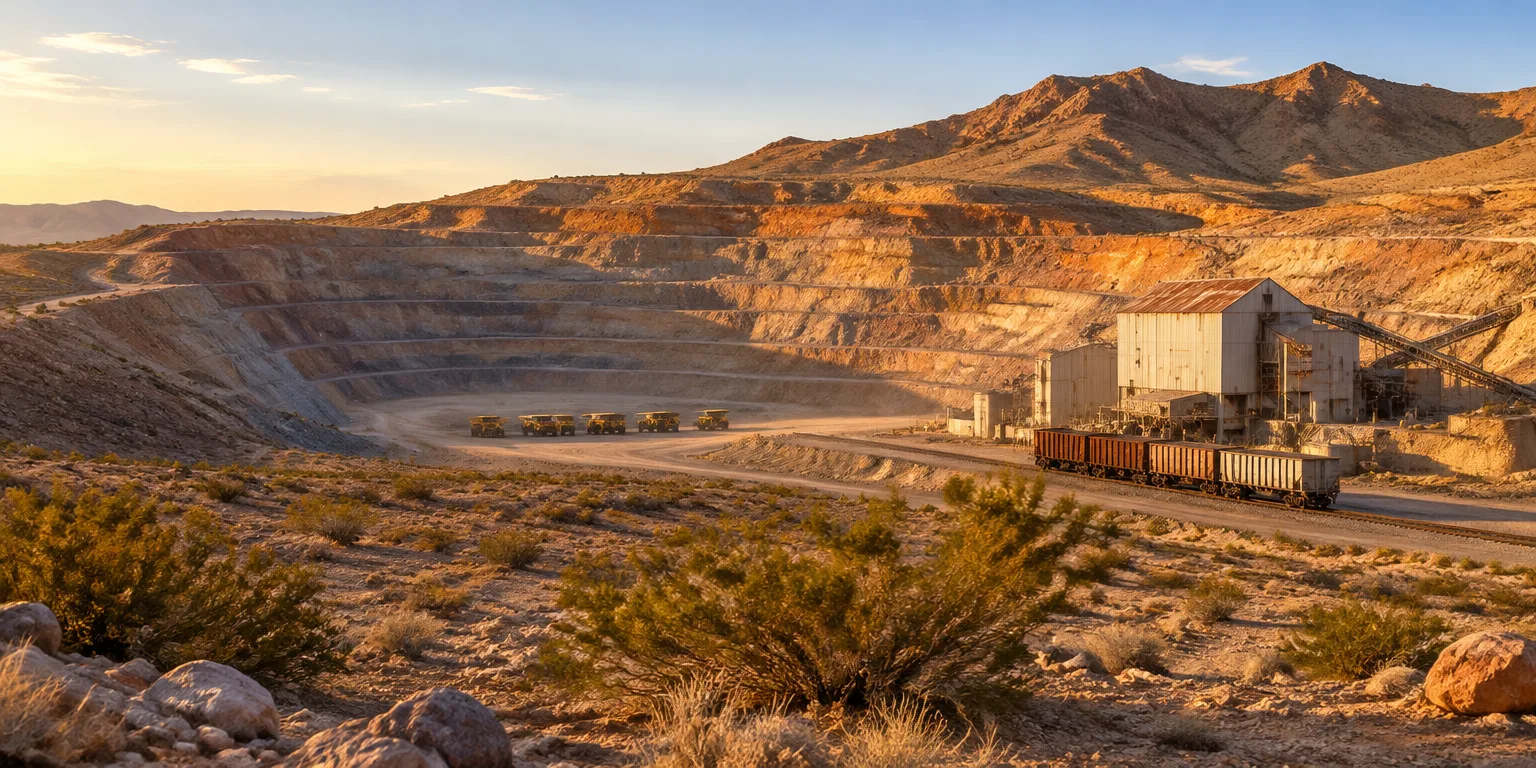
An example was an American company called Molly Corp, according to investor David Friedberg. Molly Corp operated the Mountain Pass mine and shut down after China's state-backed push in the 1990s wiped out rivals and left American firms unable to keep up. The same mine later became MP Materials, which is now trying to revive American production with backing from the United States government.
China's method works in three steps, investor Chamath Palihapitiya explained. First, central and provincial governments fund their companies through direct money, loan guarantees, and quasi public and private partnerships. An American company does the opposite. It signs what is called a take-or-pay deal, in which a carmaker like General Motors promises to buy a set amount at a set price, and then takes that promise to Wall Street to borrow money to build a factory.
Second, once the American plant is built, Chinese suppliers flood the open market with cheap supply. The spot price, the price for immediate delivery, craters. End buyers are then in a difficult spot because rivals can purchase far more cheaply, so their own products are more expensive and draw less demand.
Third, the volatility itself deters the next investor. As an example, the discussion turned to neodymium, a key material for permanent magnets. It sold for about $50,000 a ton in 2020, spiked to almost $250,000 during the pandemic, then fell again. With swings that large, a company cannot reliably budget to build a mine and keep it running year after year.
That is why Palihapitiya argues the federal government should act as the buyer of last resort, building a strategic reserve like the one America keeps for petroleum to absorb China's price shocks.
Questions people ask
What are rare earths actually used for?
Despite the name, they are a group of 17 metals that are relatively abundant but hard to separate. Their strongest use is in permanent magnets, which go into EV motors, wind turbines, headphones, smartphones, and military guidance systems. Even a small amount is essential, so a cutoff can stall whole factories.
Why can't the U.S. just reopen mines and be independent?
Mining is only the first step. The ore must be processed with strong acids and separated into pure metals, then turned into magnets. China now controls most of that processing capacity, built over 30 years. Rebuilding it in America requires billions in investment, permits, and customers willing to pay more for years.
What is a strategic reserve and would it work for rare earths?
It is a government stockpile of a critical material, like the Strategic Petroleum Reserve for oil. The government buys when prices are low and releases supply when prices spike or imports are cut. For rare earths, it would guarantee demand for miners and blunt China's ability to use sudden price drops or export bans as leverage.