How Walmart Obsession Let Whole Foods Grow Unnoticed for Two Decades
While rivals stripped their stores to chase Walmart on price, Whole Foods won mainstream shoppers with beauty, taste, and service.
 David Senra · My Conversation with John Mackey, co-founder of Whole Foods Market | David Senra
One of the most surprising reasons Whole Foods grew is that its biggest rivals looked elsewhere. John Mackey, the co-founder of Whole Foods Market, says conventional supermarkets were so distracted by Walmart that they ignored his tiny chain for about 20 to 25 years.
Walmart did not sell food at first. When it added groceries, it so disrupted conventional supermarkets that they focused entirely on stopping Walmart.
Their mistake, Mackey says, was trying to beat the low cost provider on price. They cut spending on new stores, so the stores looked more like warehouses. They used cheap lighting, cut staff to the bone, and cut service. Even then, Mackey said, they still "couldn't compete with Walmart because they were playing Walmart's game."
Whole Foods went the other way. It decided it could not compete with Walmart on price and would not try. It would compete on quality, on service, and on selling different foods that supermarkets did not carry.
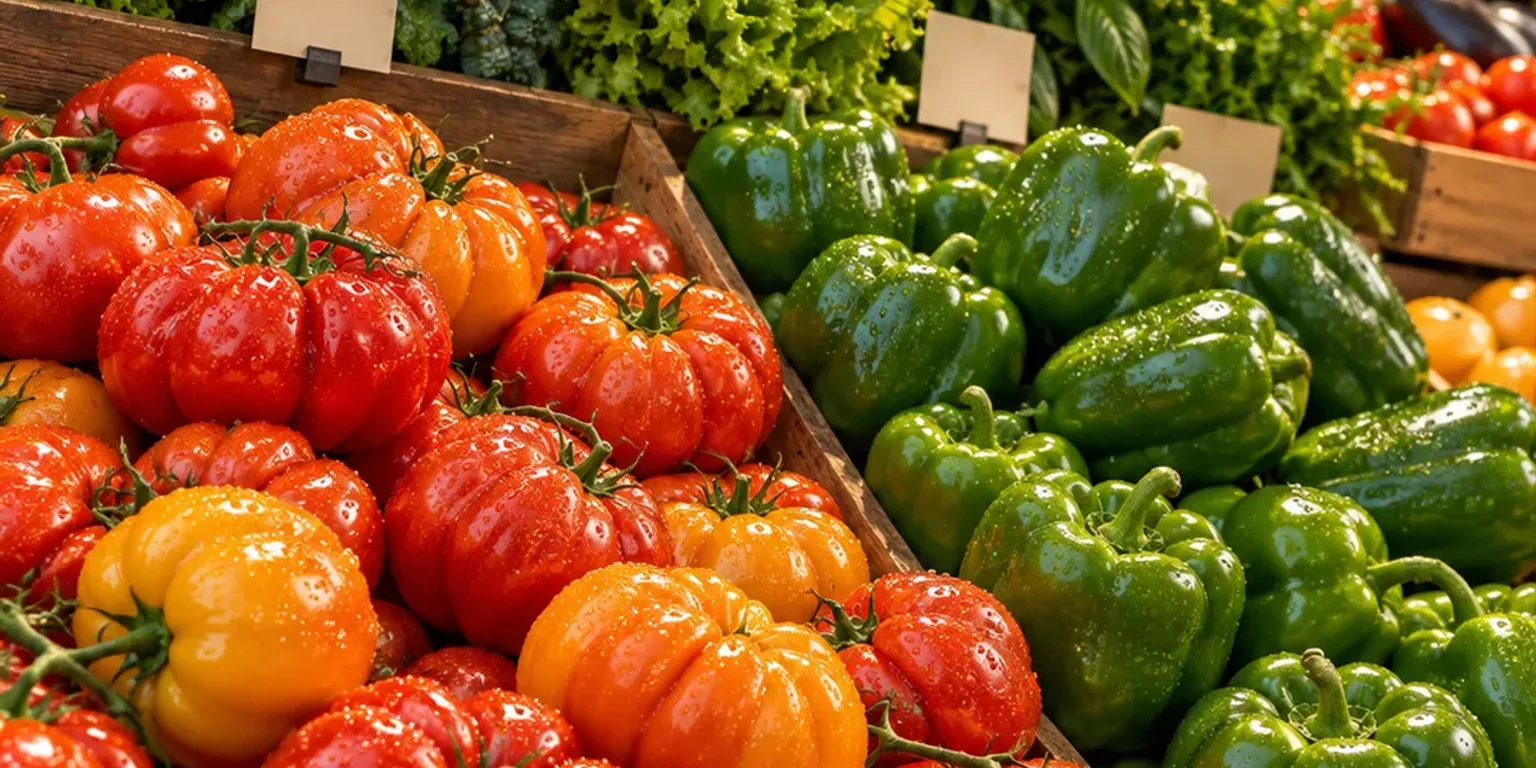
As chains cut back and their stores grew plainer and less welcoming, women from comfortable households, who handle most grocery shopping, started coming to Whole Foods. They wanted a store that was pretty and beautiful, with produce that looked beautiful and tasted good. They got clerks who carried groceries to the car, answered questions, and were nice to them, even though the clerks had piercings and tattoos.
One venture capitalist who declined to invest said they were just "a bunch of hippies selling food to other hippies." For a time that was true. Then mainstream shoppers came for quality and service, sales rose, and rivals still ignored it.
Mackey calls Walmart a "giant distraction" in a football metaphor. While rivals were obsessed with stopping Walmart, Whole Foods was "running down the field wide open for the touchdown pass." Supermarkets knew only price competition, so Whole Foods had a different business model on a different part of the field.
The reason the chains kept ignoring Whole Foods is simple math: its sales losses were too small for any one rival to notice. Whole Foods was so different that it took only a few customers from each of many supermarkets, never enough from any one store to hurt. Some shoppers drove up to 100 miles on weekends and filled carts with hundreds of dollars of groceries. Each rival saw little sales loss and concluded it had no Whole Foods problem.
Mackey dates that open field from the first Whole Foods in 1980 to the opening of the Columbus Circle store in 2004, about 20 to 25 years to scale and compound. Columbus Circle was its big New York store, built in a basement with no parking. Mackey says the team thought "we're bound to fail." Instead it became its best-performing store and drew wide publicity, and supermarkets sent people to see the store.
After that, supermarkets started to take Whole Foods seriously as a competitor. They copied the formula with nicer stores, bigger produce sections, and fresher food.
Questions people ask
Why couldn't regular supermarkets beat Walmart on price?
Walmart can sell groceries for less because of its enormous scale, tight control of expenses, and efficient distribution. Supermarkets tried to match those prices by cutting store investment and labor, but they could not match Walmart's cost structure and only made their own stores less appealing.
What made Whole Foods so different from a regular supermarket?
Natural food means food grown with fewer synthetic pesticides and fertilizers, and often without artificial additives, though definitions vary. In the early 1980s it was a tiny niche sold in small health shops. Mackey says big chains dismissed Whole Foods as too small to matter.
How did supermarkets eventually copy Whole Foods?
Once Whole Foods proved that shoppers would pay more for fresh produce, better meat, and nicer stores, rivals added larger produce departments, more natural and organic items, and more attractive perishables sections. The copying started in earnest after Whole Foods showed it could succeed in high profile locations like Columbus Circle in New York.