Human Slowness Is a Protection Against AI
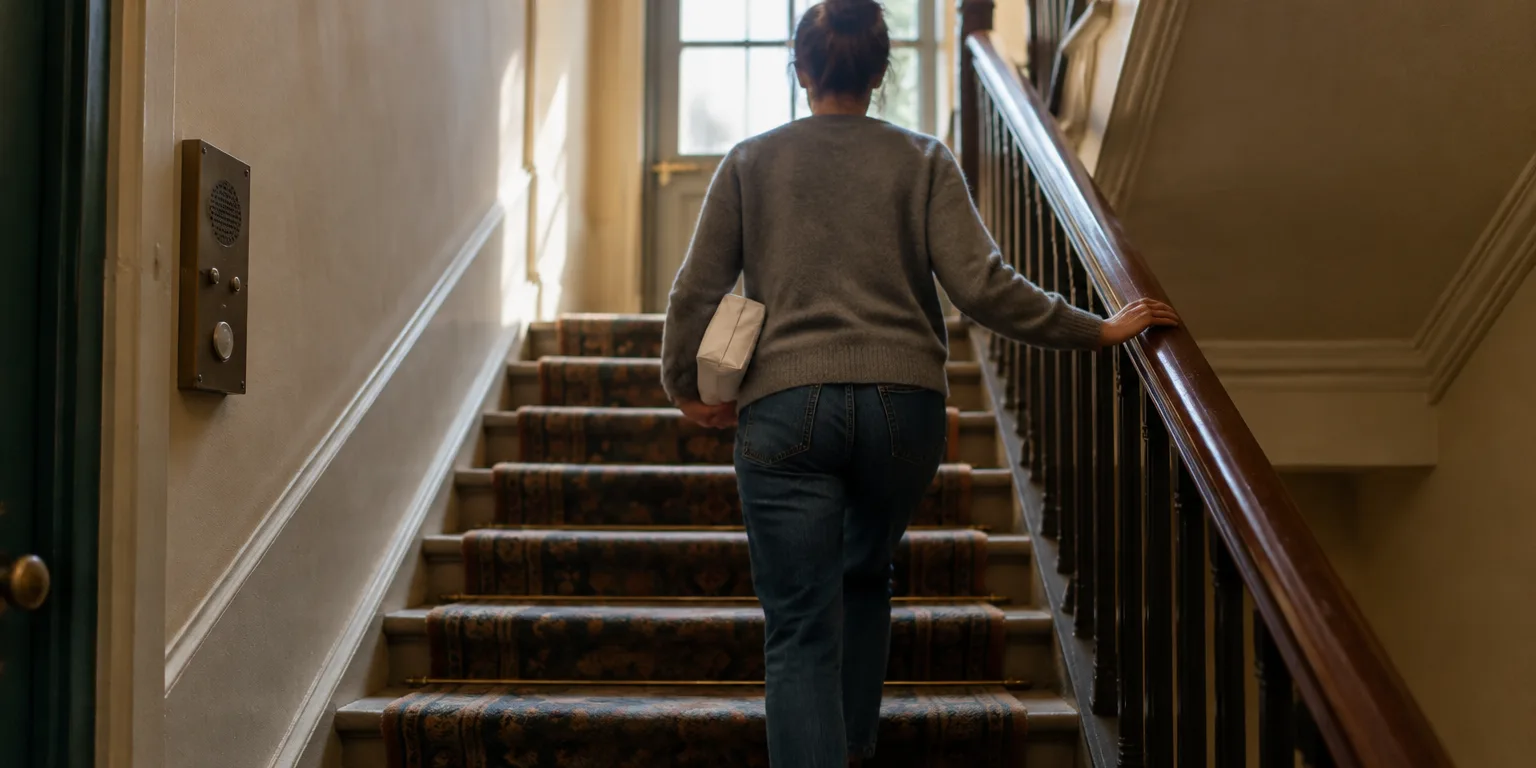
Even an infinitely smart system still waits for people to wake up, meet, and carry the bag upstairs.
 All-In with Chamath, Jason, Sacks & Friedberg · AI Kills Everybody or Doomer Psyop? OpenAI's Math Breakthrough, Nike's $200B Collapse
David Friedberg, one of four hosts debating how artificial intelligence might kill everyone, was asked how it happens. He argued a clean extinction is hard because critical systems still need a real person to do something and are kept disconnected so they cannot be hacked.
Friedberg said, "humans are still running their day-to-day processes in a human timescale, and that's what also protects us."
What he means, in plain terms, is that people's approval and the physical world, not intelligence, are what limit AI. Banks, he said, already keep physical hard copies of assets and records in different locations, with backup systems deliberately disconnected from the internet and procedures that require an actual person to act. Jason Calacanis, another host, broke in to define the protections by pointing to familiar movie images: an air gap means a computer is not connected to the internet so it cannot be reached, and human in the loop means something like a two-key nuclear launch system where, as Calacanis put it, "maybe officers have to put the keys in and turn it at the same time," something like that.
The same friction, Friedberg argued, slows everyday use. An AI assistant can arrange a toiletry kit delivery entirely by software, calling the front desk and placing the request, but someone still has to carry the kit upstairs. That delivery is what Friedberg called "the longest pole in the tent," the slowest step, the one everything waits on.
He applied the same logic to companies. Friedberg said, "The AI can do all the analysis," but the decision makers still have to wake up and, in Friedberg's words, "drink their coffee, come to the office, sit down in a room together, and make a decision." That delay is what he meant by a 16-hour window between decisions, the time between a decision being ready and people actually meeting to make it. Even an infinitely more intelligent AI, in his view, has to wait through sleep, mornings, and meetings.
David Sacks, another host, said he wanted to steelman the core argument he had heard from the other side, which was recursive self-improvement, meaning an AI that does the work of a human AI researcher and then trains its successor with no person involved.
Sacks added that the reply the hosts were making to that idea is, in Sacks's words, "we are nowhere near removing the human from the loop of AI development," noting we have not even got auto-complete working. Friedberg answered, "Or even AI applications is my point," meaning his point about human delays concerned AI applications as well. Calacanis made a separate point that mundane tasks still fail, asking how AI could then carry out a task that kills humanity. The hosts left that disagreement unresolved.
Questions people ask
Could AI improve itself without waiting for humans?
This goes beyond what Friedberg argued, but the short answer is not yet without people. In general, building a new large model requires approvals, chips, power, testing, and judgment about whether it works. Each of those steps still moves at human speed.
What does recursive self-improvement mean?
It means an AI system that can do the job of the researchers who build AI. In Sacks's description, such a system would design its successor, which would then design the next one, with no person approving each round. No such closed loop exists today.