If You Win Every Bidding War, You Are Paying Too Much
Brad Jacobs, behind United Waste, United Rentals, and XPO, says walking away is central to creating shareholder value.
 research.contrary.com · QXO: A Vertical AI Case Study
When Brad Jacobs, the founder of building-products distributor QXO, was asked how he could win takeover battles against Home Depot and Lowe's, he did not promise to win them. He said he expects to lose many of them, because the giants operate under different mandates and can justify paying more.
Then he offered his rule, in his words: "If we aren't losing bids on deals, we're bidding too high. We'll remain disciplined on purchase price because that's part of how to create massive shareholder value."
By discipline, Jacobs means refusing to pay more than a deal is worth to him and still earn a return. Jacobs, who started QXO in Greenwich, Connecticut, in December 2023, had previously assembled three consolidation businesses by buying fragmented local businesses, overlapping their routes and branches, and squeezing costs: United Waste Systems, which he sold to Waste Management for 2.5 billion dollars in 1997, United Rentals, and XPO Logistics. At those companies, he said, acquired businesses typically doubled their profits within three years. At QXO he has set a slower five-year target until the approach is proven in building materials.
He has already walked away to prove the point. In June 2025, QXO bid about 5 billion dollars, or 95.20 dollars per share, for GMS Inc., a distributor of wallboard and other interior construction products. SRS Distribution, a unit of Home Depot, offered 110 dollars per share, or 5.5 billion dollars. QXO quit rather than start a bidding war, and held 2.3 billion dollars in cash with debt within its target as of the third quarter of 2025.
Jacobs argues that losing is not a weakness against bigger rivals. He calls Home Depot and Lowe's exceptionally well run, and notes that at his earlier companies he competed with far bigger rivals, including Waste Management, UPS, FedEx and Ashtead, and still completed deals that added to shareholder value. The limit is plain: discipline can mean slower growth, and prized targets will go to rivals.
Questions people ask
What does QXO actually do?
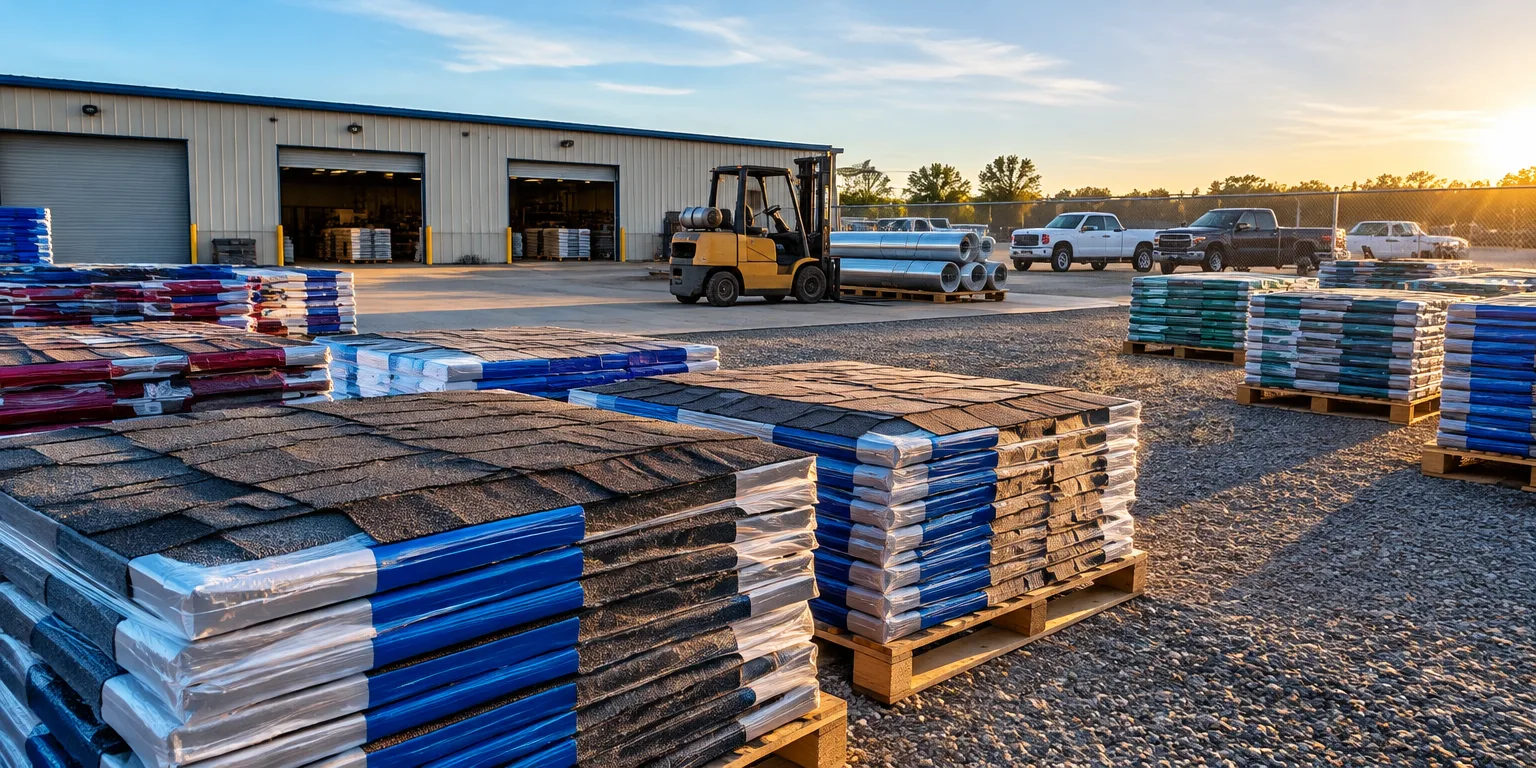
QXO is a distributor of roofing and exterior building products, with more than 600 branches in the United States and Canada. It buys shingles, siding, and accessories from manufacturers, stocks them locally, and delivers them to roofing contractors, often lifting materials directly onto rooftops. It is trying to move that phone-and-branch business online and use software to improve pricing and logistics.
Why is overpaying for an acquisition so dangerous?
A high purchase price must still be repaid through the acquired company's future profits. If a buyer pays 16 times earnings instead of 12 times, it needs far more cost cuts or growth to earn the same return. Overpaying also usually means borrowing more, which leaves less room to invest, weather downturns, or buy the next company.
Did Jacobs lose other deals besides GMS?
Yes. In September 2024, QXO made a 9.4 billion dollar offer for Rexel, a French distributor of electrical parts. Rexel's board rejected the offer, saying it significantly undervalued the company. QXO later succeeded with Beacon Roofing Supply, completing a roughly 11 billion dollar purchase in April 2025 after Beacon adopted a poison pill in January 2025 to block QXO's tender offer.