If Your Business Needs You to Close, You Own a Job, Not a Company
Investor Codie Sanchez says founders get hooked on rescuing the business, and real ownership starts when it runs without them.

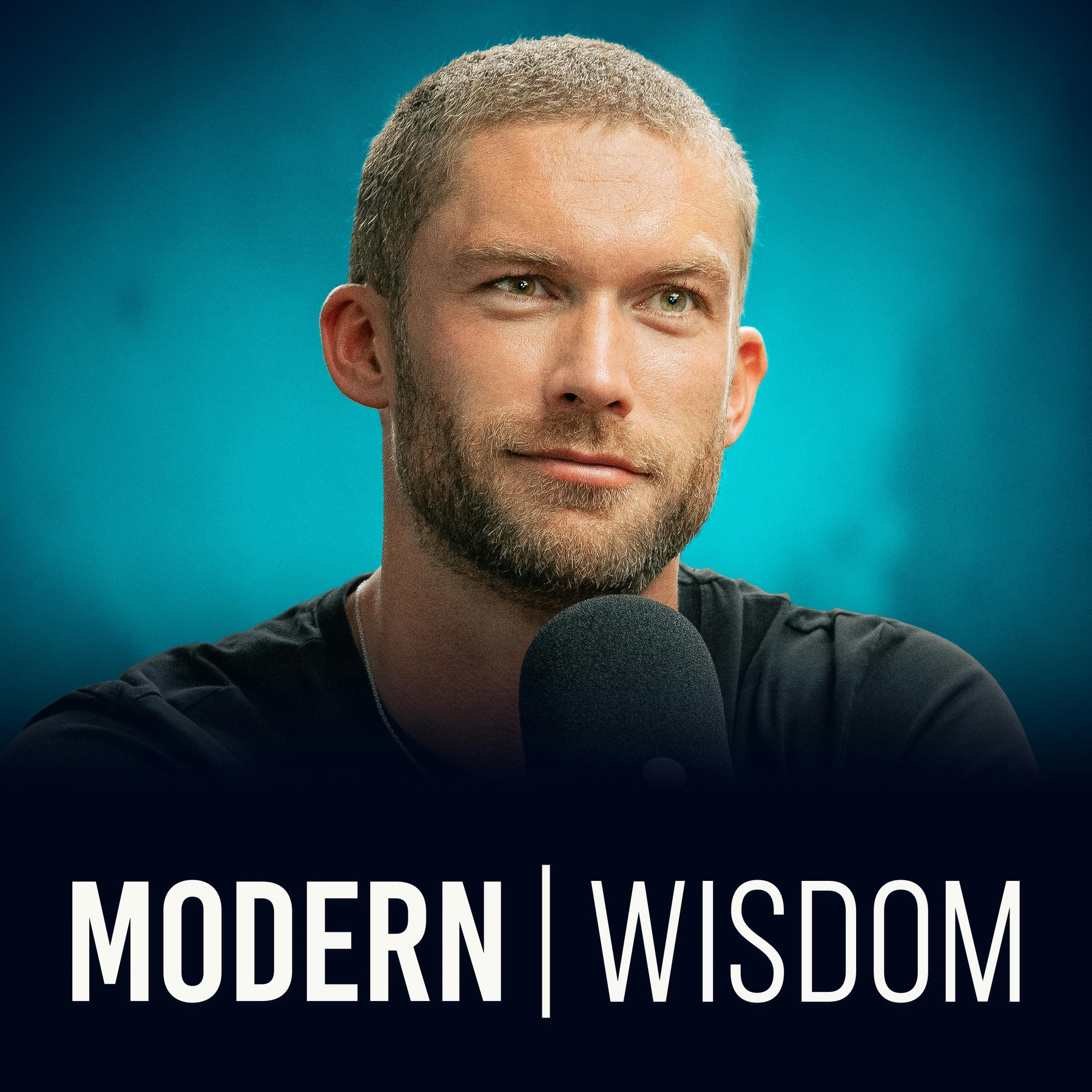 Modern Wisdom · Why Working Harder Won’t Make You Rich - Codie Sanchez - #1145
Investor Codie Sanchez, who buys and runs small businesses, was asked by podcast host Chris Williamson whether being indispensable is a compliment for a founder. She said no. As Sanchez put it, "your revenue should have nothing to do with you."
Williamson then offered a label for the problem. He said the "most dangerous addiction for a founder is being needed." Sanchez agreed, and described the pull of coming in to save the day, close the deal, and grow revenue.
She said men especially want to be needed by the business, while women more often want to be needed by employees. She said, "And the thing that got them the ability to be a founder ends up becoming the reason they'll never succeed."
She pointed to a founder she admires who built a nine figure business. In her view, if that business fails, "it will be one person's fault, and that is" him, "because he will not get out of the way" to hire people better than himself.
Sanchez laid out three levels to the game. At the bottom, the founder does everything. In the middle, employees act but the founder micromanages. At the top, Sanchez said, "I do very few things, and the team does everything else." The more the founder drives revenue, she said, the more the founder has a "highly paid job" rather than a business.
She also separates being self employed from being an owner. Self employment, she said, covers 95 percent of businesses, including many with staff, where the founder keeps close oversight and feels a lift every time Slack sounds.
Williamson described the shift to ownership as psychological. He said the founder must first fuse with the company, work harder than everyone, and know every customer, and later dismantle that identity. In his framing, that means tolerating different methods, as Williamson put it, "let other employees become more important or make mistakes," and accepting that success means things go well without the founder.
Sanchez answers that pull with a house rule. She tells new advisers, "being the hero is taking heroin." She rejects the old line about serving employees, and argues instead that the best way to serve employees is to avoid flaming out and failing to pay them.
Questions people ask
How can I tell if I am self-employed rather than an owner?
Look at whether sales, fulfillment, or delivery stop when you step away. If customers expect you personally, if every decision waits for you, and if you approve routine invoices and reports, you are still the system. An owner has other people responsible for those core functions, with clear numbers that show problems before they become emergencies.
How do you hire someone better than you without losing control?
Start by defining the exact outcome the role must produce, then pay for proof rather than promises, with short paid projects and clear 30 and 90 day targets. Set incentives that reward the result you want, including money, title, flexibility, or responsibility, and review the numbers regularly. Control comes from transparency and scorecards, not from doing the work yourself.
Is it always bad to be needed by your business?
No, early on it is necessary, since a new business often survives only because the founder works harder and cares more than anyone else. The problem is staying in that mode once the business can support specialists and managers. Keep the parts where your judgment adds the most value, and replace yourself everywhere else.