Ignore Your Dog When You Walk In Until It Calms Down
That happy frenzy at the door is often anxiety, and affection should wait for calm.
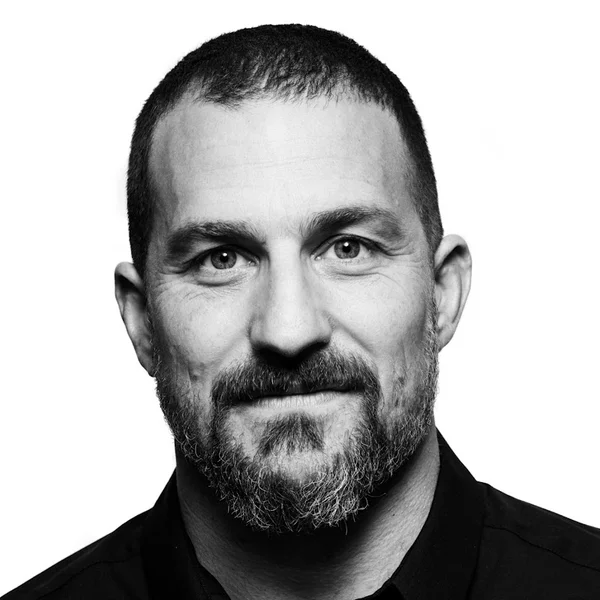 Andrew Huberman · Raising a Dog & Mastering Calm Assertive Energy | Cesar Millan
Cesar Millan, the dog trainer who rehabilitates troubled dogs by training their owners, has a blunt rule for coming home: ignore your dog.
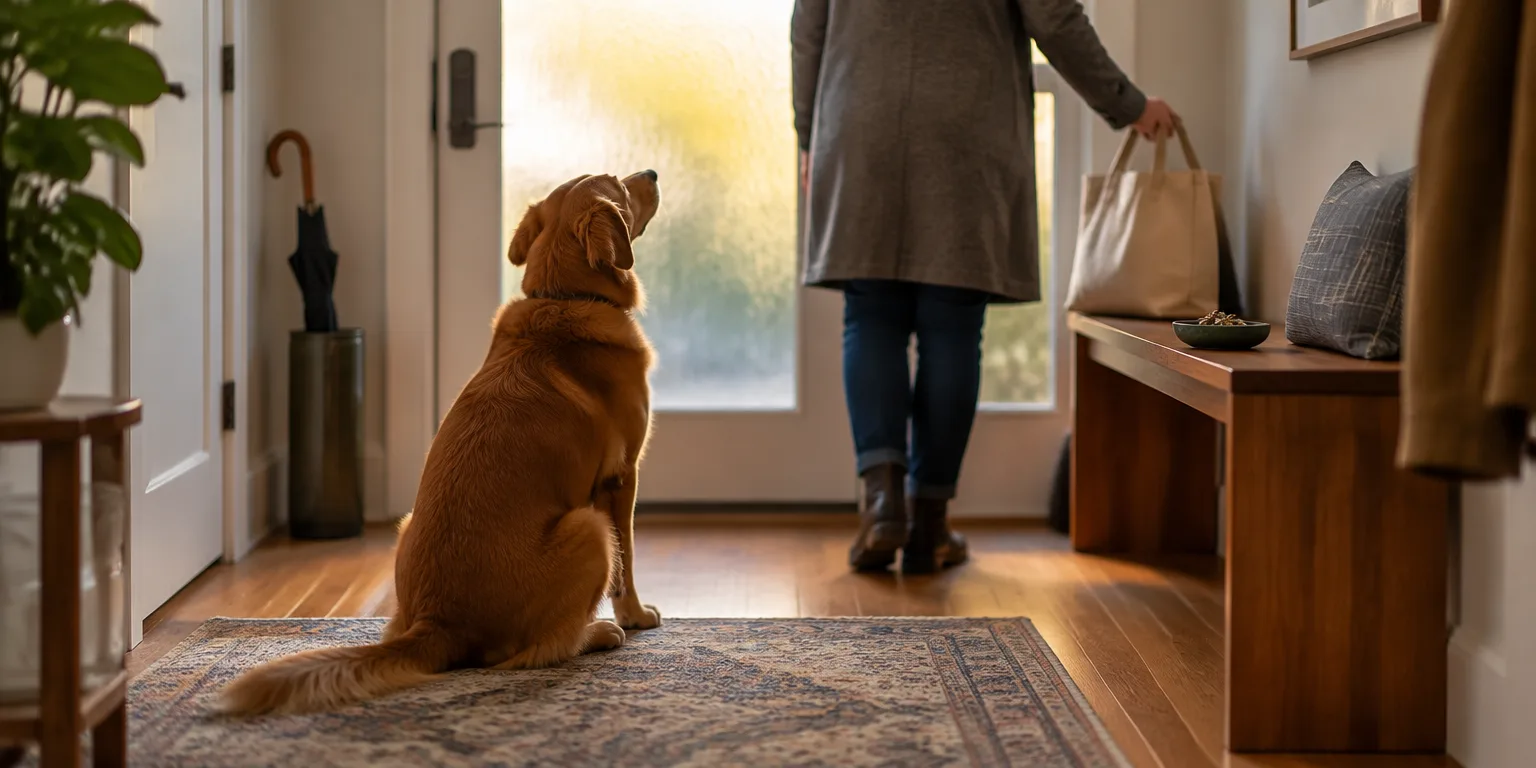
Walk in and offer no touching, no talking, and no eye contact. Put your bag down, settle yourself, and go about your business until the excitement passes.
It feels rude, especially when the tail is wagging and the dog looks thrilled to see you. But Millan says what you are greeting is often not a happy dog.
An animal left alone behind walls will often wait in an excited, anxious, and confused state. If you squeal, pet, and stare at that moment, you teach the dog to greet people with excitement, including jumping on them.
The silence also avoids three separate mistakes, Millan says. Touch can send "a back of the pack dog" running away. Direct eye contact can read as a challenge to a confident, front of the pack dog. Talking can make "a middle of the pack dog" very excited.
By doing none of the three, you let the dog work in its own order: nose, then eyes, then ears. It comes close, smells you, looks and listens, and decides whether you are safe, peaceful, and trustworthy.
Watch for the shift. The dog comes to you, sits beside you, or simply relaxes. Millan calls those good states patience, calm surrender, and happy go lucky, as opposed to fight, flight, and avoidance. That is when you give affection.
Millan treats the greeting as the first of three rituals, followed by a quiet walk with the dog following beside you and then calm feeding. But everything starts at the door. The next time you walk in, do nothing first.
Questions people ask
How long do I have to ignore my dog?
There is no fixed timer. Put your bag down and move normally while the dog settles. You are looking for quiet breathing and a sit or lie down nearby, rather than whining, pacing, or jumping.
What does calm actually look like?
Look for stillness instead of intensity. A relaxed dog has loose shoulders, soft eyes, and a low or gently wagging tail, and may sit or lie down near you. A tense dog pants hard, spins, jumps, barks, or crowds your legs.
Should guests do it too?
Yes, ask visitors to be boring at first too. If you are calm and guests are wild, the dog still learns that strangers mean excitement. Have them withhold petting and high pitched talk until the dog has settled.