IKEA fits four sofas in the space of one, and that is why its furniture is cheap
By shipping sofas as flat boxes that stack, the retailer fills its trucks, towers its warehouses, and lets shoppers handle delivery.
 Think School · IKEA Business Case Study: How to Earn 40 Billion$ Every Year by Selling Furniture? (IKEA Effect)
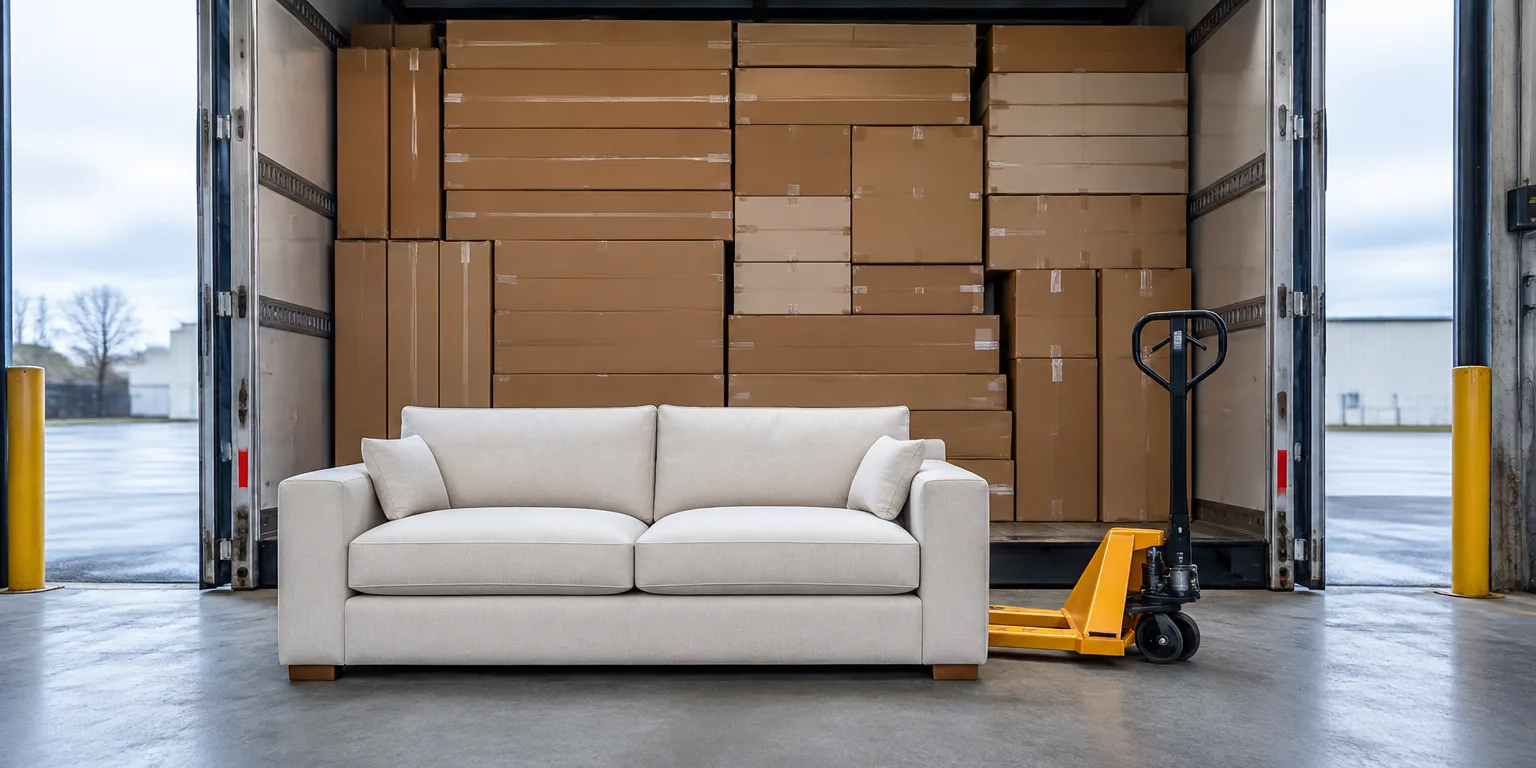
A regular sofa travels mostly as air. It leaves the factory fully assembled, rides to a retailer in a large truck, sits in a warehouse, and then rides again to a buyer's home. Because it already has its shape, awkward arms and all, you cannot stack another sofa on top of it without crushing the one underneath.
In practice, a mini truck can carry only one assembled sofa. Most of the truck's storage space goes empty, and that empty space still costs fuel, labor, and time. The same waste repeats in the warehouse, where assembled sofas cannot be piled high, and again on delivery, which needs a truck and a crew.
IKEA changed the shape of the shipment. Its sofas and tables travel unassembled, as boards, legs, and hardware packed tight in flat boxes. The boxes can be stacked one on top of another, so the truck fills almost completely. In the space that held one assembled sofa, IKEA can ship three to four of its boxed sofas.
The savings compound. In the warehouse, flat boxes stack into tall, multi-storey storage instead of sprawling across the floor. And because a box can fit in a private car, the customer becomes the delivery truck, carrying the furniture home without the retailer paying for a final run.
Strip that much empty air, stacking, and delivery out of the chain, and the cost falls far enough that well designed furniture can sell for little. The home assembly that shoppers do at the end, with an Allen key on the living room floor, only adds to the bargain, because people tend to value what they build themselves.
Questions people ask
Is flat-pack furniture lower quality than assembled furniture?
It can be sturdy if the design is right. Standard panels, standard hardware, and tight packing let factories make the same parts in huge volumes, and flat boxes are less likely to get knocked or crushed than a bulky assembled piece.
Why does fitting more sofas in a truck matter so much for price?
Trucks usually charge by the trip, not just by weight, so filling the volume matters. Stacking boxes means fewer trips to move the same number of sofas, which cuts fuel, drivers, and warehouse space per item sold.
What do customers get out of doing the work themselves?
They do the final steps the retailer used to pay for: fetching the box, hauling it home, and assembling it. In return they pay less upfront, avoid delivery fees and waits, and often feel more attached to a piece they built.