In America, You Can Keep Improving Something Already Good
A Soviet-born investor says the freedom to tinker with something already good is what turns survival into thriving.
 Invest Like the Best with Patrick O'Shaughnessy · Investing a $120 Billion Balance Sheet with No Outside Investors
Asked why immigrants often speak most warmly about America, the chief investment officer of Liberty Mutual Investments, which oversees about $120 billion, said Americans take their advantages for granted, like gravity. Born in Moldova, then part of the Soviet Union, he came to the United States in 1990 after his parents uprooted their lives. To explain what struck him, he offered what he called the lens of a croissant.
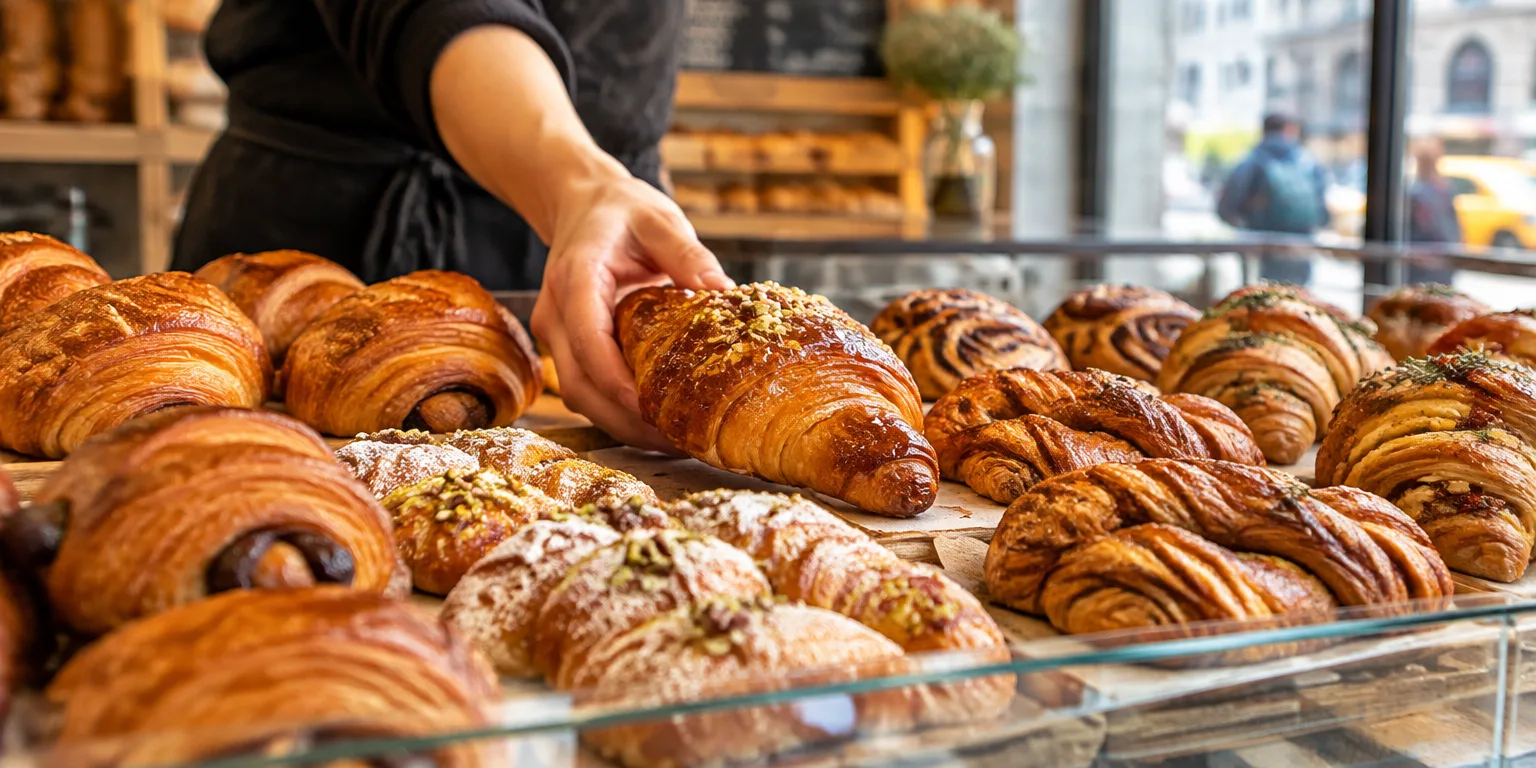
"You can reinvent the croissant," he said. Around Union Square in New York, he said, it comes in a thousand versions, and if a baker makes one that feels special, customers will buy it.
That was the opposite of the bread store he remembered from about age six. There was "one, maybe two types of bread," he said, often with lines outside. He said he never went hungry, but the premise was fixed. Bread is bread, so, he said, "why would you need more bread?" You took your loaf and its calories and went home.
At a higher level, he said, you were not given permission to dream. You were born to navigate the system and survive. For him, that included overt persecution as a Jew in the Soviet Union. He remembered being called out in school at age nine, while his parents faced hard quotas on universities and professions and rules about where they could live. He described a gray society with no spirit and no real art, not because of the people but because the system suppressed natural human traits.
America, he argued, is the inverse. The level of individual agency is unparalleled, he said, with vast regional and cultural differences and endless ways to define success if you have talent and motivation, though he added that not everyone thrives. Individualism can be taken too far, but it "frees a person to pursue" talents, interests, and friendships in a way that is impossible elsewhere.
He resisted casting that as only an immigrant story, but he tied the mindset to risk taking and to not taking anything for granted. He said people who arrive with nothing assume no favors are coming to them. That is what he said he looks for in investment partners, entrepreneurs obsessed with their craft and "eager to make the world better through" whatever they do. At Alteryx, where he also described the culture, he said the rule is not to say this is good enough. People who care about their work keep iterating, no different, in his mind, from trying to make a better croissant that is already great.
Questions people ask
Why were Soviet stores so limited to one or two kinds of bread?
Soviet food was produced under central planning, with state bakeries making a few standardized loaves at fixed prices. The system prized volume, calories, and predictability over variety or quality, so lines and sameness were normal. Specialty baking survived mostly at home or in small niches, not as a business anyone could start.
What changed in 1990 that let his family come directly to the United States?
As the Soviet Union loosened emigration rules, Jews were allowed to leave in larger numbers after decades of restriction. Many went to Israel, Germany, or the United States as refugees or through family sponsorship. His parents were fortunate, he said, to secure a direct path to America just before the Soviet Union collapsed in 1991.
Is there really a market for a thousandth version of a croissant?
In a large, wealthy city, yes. Bakers differentiate on butter, lamination, shape, filling, size, and story, and customers will pay extra for novelty, craft, or convenience. Most new versions fail, but the few that succeed spread quickly because competitors copy them. That copying is how small tweaks raise quality for everyone.