In Chicago, 50 Aldermen Can Block Your Project for No Legal Reason
No other American city gives ward leaders this kind of unchecked say, Ben argues, and he says it rewards loyalty over law.
 Peter Santenello · America's Most Corrupt City - Chicago 🇺🇸
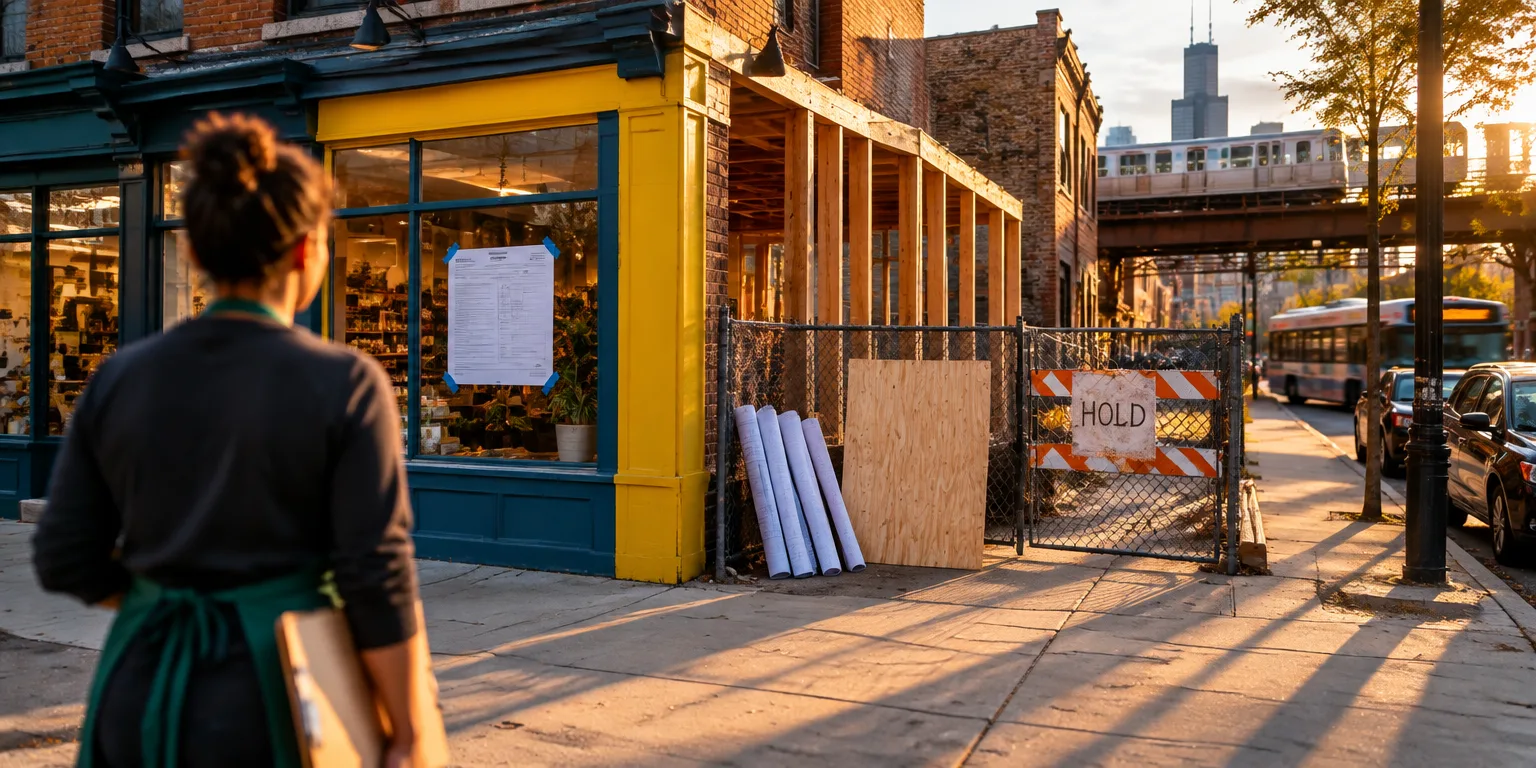
Imagine you own a small store in Chicago, like the Planta Queen shop on a busy street, and you want to build a small addition that the zoning rules would normally allow. You still need one more permission slip, from your local alderman. He can reject it without pointing to any law, and the project can be stalled or shut down.
That veto power is called aldermanic privilege. Ben, a First Amendment attorney who walks the city explaining how it works, argues it is found nowhere else in America. He describes Chicago's 50 aldermen as "50 mayors with their own feudal little states." Each one has considerable authority over what gets built and opened in his district, without being bound by written rules spelling out how those decisions must be made.
Other big Eastern cities used to work this way. New York and Boston moved around the turn of the twentieth century toward a more professional, manager-led way to run a city, with specifically defined duties, rules, roles, and professional managers. Chicago, in Ben's phrase, "has never left the feudal age."
Aldermen say the system is good because it lets them be hands on. If a restaurant needs help, the alderman can come right down, write something up, and get it taken care of. Ben argues that help arrives if you are in the good graces of your alderman, or, as Chicago history suggests, if you have paid off, participated in a racketeering scheme, and delivered your dues. For Ben, that is the textbook problem of public corruption, which is public office used for private gain.
Questions people ask
What is a zoning variance?
A zoning variance is official permission to do something slightly outside the normal building rules, like adding space or changing how a storefront is used. In most cities, staff planners grant or deny it based on written standards. In Chicago, the local alderman can block it even when the standards are met.
Can an alderman really say no for no legal reason?
Yes, under the system Ben describes. The alderman does not have to cite a law or regulation to withhold support, and without that support the project stalls. That is why Ben calls the power feudal, because one person can decide a business future as a matter of favor.
How did New York and Boston change their systems?
They moved to professional management with clear job descriptions, written rules, and trained city managers or strong central agencies. The idea was to make routine permits and building decisions administrative, not political. Chicago kept ward level control.