In Japan, 1.5 Million People Barely Leave Their Rooms
After entry-level jobs vanished in the 1990s, withdrawal lasted about a decade on average, ending with elderly parents supporting middle-aged children.
 Economics Explained · The Economy Gave Up On Young People ... It's Starting To Show
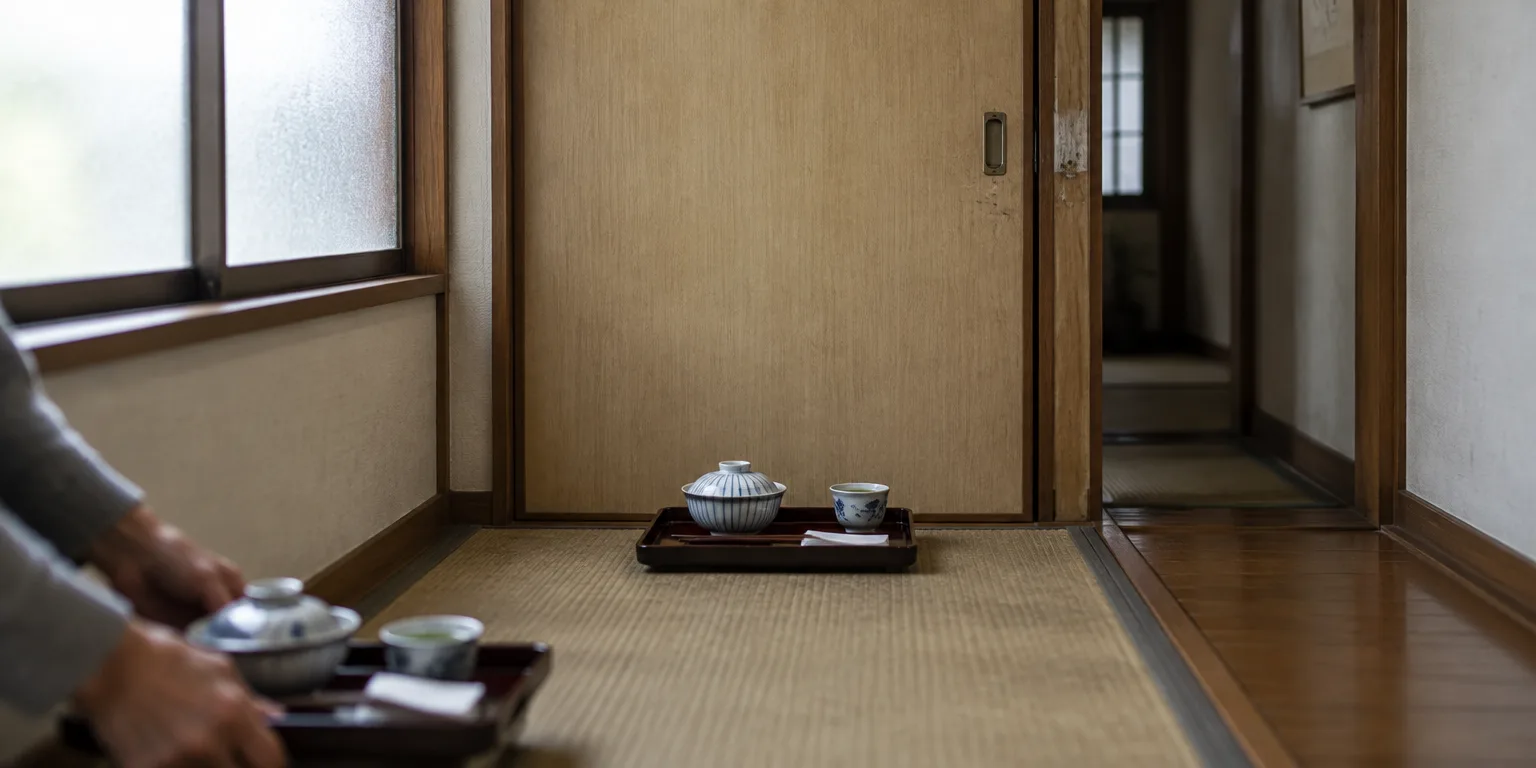
In Japan, some bedroom doors stay closed for years. Inside is often a young man with no job and no classes, who sees almost no one and rarely steps outside.
About 1.5 million people live in such retreat, equal to 2% of Japanese aged 15 to 39. They stay inside for about a decade on average.
The loss of first jobs helped lead to long withdrawal. In the early 1990s, Japan's asset price bubble burst and stable jobs dried up. Large employers had hired new graduates together once a year into permanent posts, and young people who expected that path were left moving between low paying, part time jobs. Steady openings for beginners became scarce and stayed scarce.
Across any recent four year stretch, roughly a quarter of people in their 20s spend time neither employed nor in school, and more than half of that group does so more than once. The stigma around falling behind is strong, and some abandoned hope of returning to work and then stopped going outside.
Japanese gave this pattern a name, hikikomori, for young people, mostly young men, who remain shut in their rooms for long stretches, cut off from jobs and classes and seldom stepping out. The country had not planned to strand so many young adults indoors. Schools and hiring stayed fiercely competitive with fewer openings, while public aid assumed parents would carry much of the burden. When households exhausted what they could provide, little backup remained for those slipping away.
The long-running result now has its own name, the 80/50 problem, for mothers and fathers near 80 continuing to house and fund sons and daughters near 50 who did not rejoin society. That leaves two people out of the economy at once, one who would contribute through work and one who would contribute through spending.
Once those parents pass away, many grown children are left with little earnings record, sparse job experience, and no clear place to turn.
Questions people ask
What does NEET actually mean?
NEET means not in employment, education, or training. It is broader than unemployment, because unemployment only counts people actively looking for work, while NEET includes the discouraged, caregivers, and people with health problems who have stopped searching.
Is this only happening in Japan?
No. Similar long-term withdrawal has been documented in South Korea, the United States, Singapore, and much of the developed world. Japan is simply where the pattern started earliest and has run deepest, so the consequences are clearest there.
Can someone come back after 10 years inside?
Recovery is difficult because long absence leaves gaps in work history, skills, and social confidence, and employers are wary of those gaps. Programs that succeed tend to offer gradual reentry, counseling, part-time placements, and family support rather than immediate full-time work.
What happens when the aging parents can no longer provide support?
They face a high risk of poverty and homelessness, because they often have no earnings, savings, or pension history. In Japan, that prospect has prompted local governments and nonprofits to create outreach visits, shared housing, and inheritance planning, though coverage remains uneven.