In Spain, Pro Teams Pay Young Athletes. In America, Parents Pay.
Colleges became the destination for young athletes, so pro teams have had little reason to pay to develop them.
 Wendover Productions · How Private Equity Ruined American Youth Sports
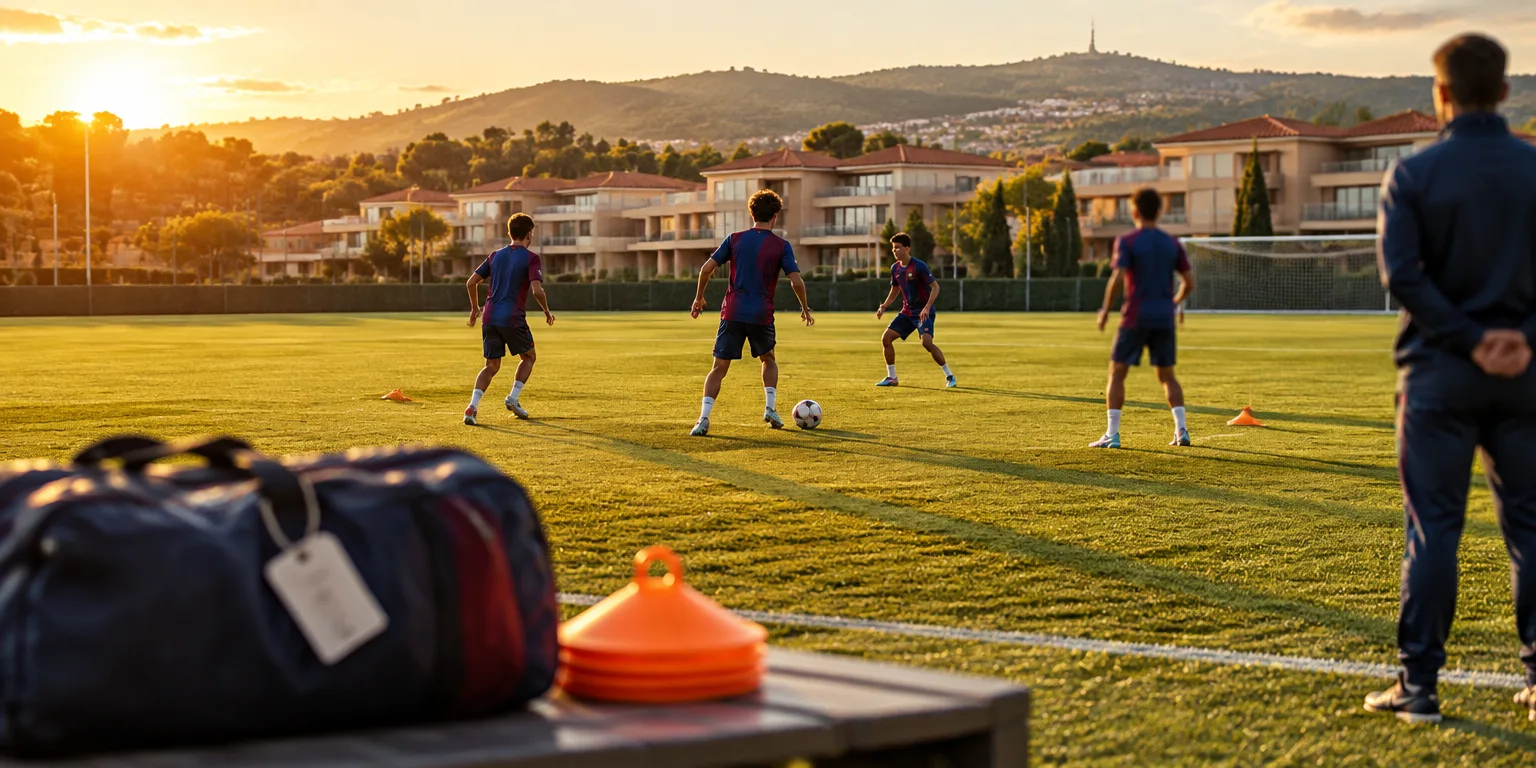
In the suburbs of Barcelona sits La Masia, the youth academy for FC Barcelona, one of the largest soccer clubs in the world. Young players there are selected and trained intensely, much like travel team kids in America. The difference is money. They do not pay to be there. The club trains them in its style of play and pays them.
Money in the Spanish system flows from the top down. Barcelona brings in large sums at the professional level and puts some of it back into youth development. It finds promising children early, teaches them the club's way of playing, and develops the stars who keep the club among the largest in the world. Lionel Messi, one of the greatest players of recent decades, came through that system.
In America, money flows from the bottom up. In sports that earn big revenue as pros, including baseball, basketball, football, and hockey, little of the profit from sponsorships and broadcast deals reaches youth teams. The reason is college.
The costly American university system is also where leading young athletes most want to go. Playing in college is the dream, where they can earn scholarships, stipends, and, under newly relaxed rules for amateurs, some ways to make money.
Colleges, however, do not invest in youth programs the way Barcelona does, even though they sit in the middle of the pipeline between youth and the pros. Because of that position, major pro leagues face little pressure to fund youth sports themselves. Since American pro leagues put little of their revenue into youth development, families pay club fees for coaching and competition, while Barcelona pays its youth players.
Questions people ask
What exactly is La Masia?
La Masia is the residential youth academy for FC Barcelona. Boys recruited from around Spain and beyond live, study, and train there in Barcelona's style of play, with the goal of graduating to the first team.
How can a European club afford to pay for kids?
Through the large income that comes in at the top of a club like Barcelona. The club then uses some of that money to pay for youth training and development.
Why don't American pro leagues just fund youth sports?
They largely draft or recruit from college, whose teams already provide years of high level coaching and exposure with little cost to the league. With that pipeline in place, teams have felt less pressure to build and fund their own youth academies.