In the West Bank, neighbors in the same place can be an hour apart
Israelis follow Israel, Palestinians do not, so the same street can keep two times.
 Computerphile · The Problem with Time & Timezones - Computerphile
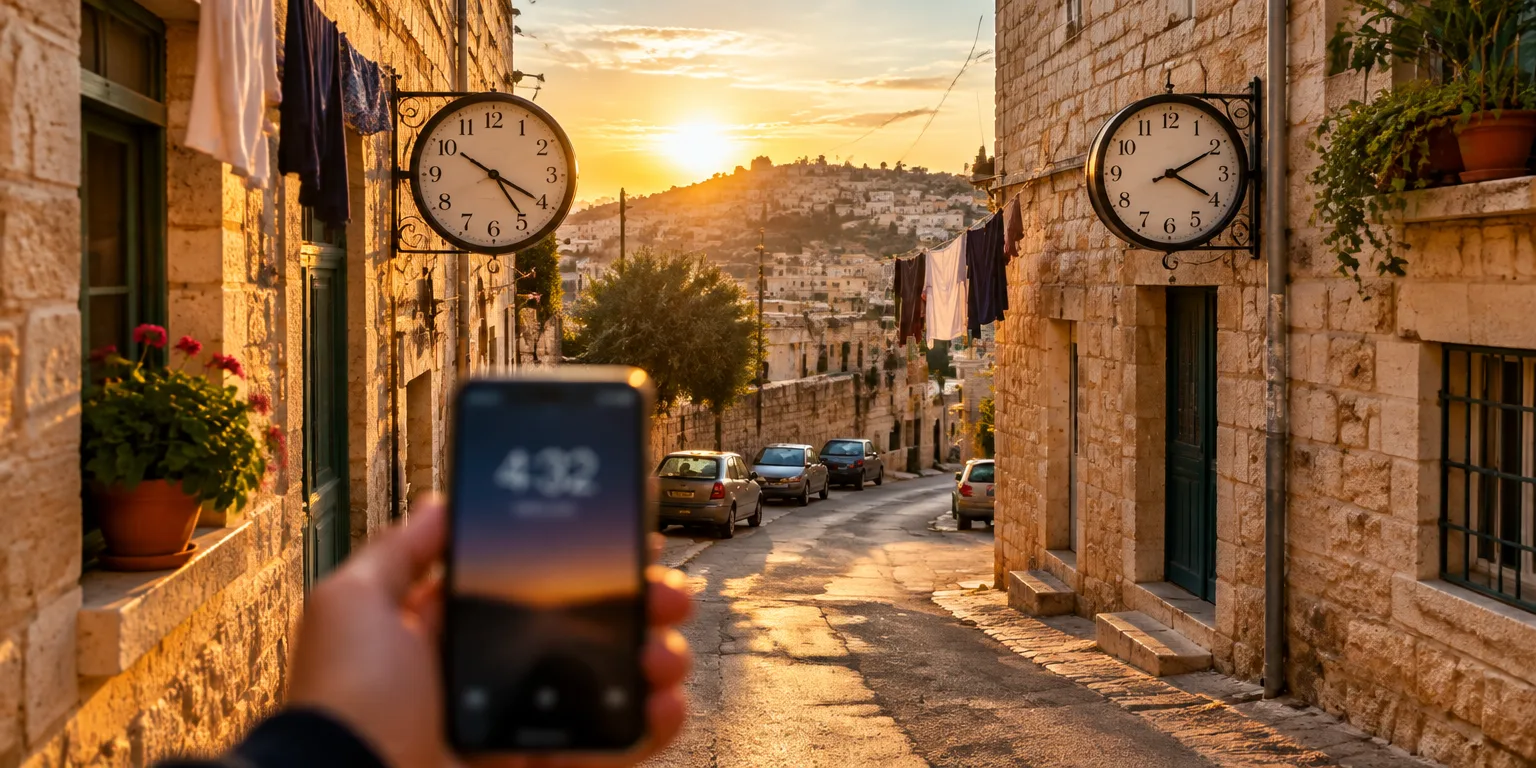
Stand in one spot in the West Bank, and the time depends on whom you ask.
The Israeli population follows Israel, while the Palestinian population does not, so two groups sharing the same streets keep different times. For stretches of the year, neighbors can live an hour apart.
That means a resident has to consider not only where he is, but who he is, to know what time it is. It also breaks a rule almost every computer relies on, that one place equals one time, and no ordinary time zone setting can fix it.
Questions people ask
Why do the clocks differ?
They follow different authorities. Israel sets its daylight saving schedule by its own law, while Palestinian authorities set their own schedule, and in some years the dates for switching clocks do not line up. When one side has changed and the other has not, the gap appears.
How long does the hour difference last?
Usually for a few days or weeks in spring and autumn, when one side has started or ended daylight saving and the other has not. The exact dates change from year to year, so the gap does not fall on the same weekend every year.
What happens to phones and computers there?
Often, badly. A phone decides what time to show from cell towers, location settings, and network time, so it can jump forward or back as a person moves between Israeli and Palestinian coverage areas. Many people learn to double-check appointments by asking, my time or your time?