Instacart Gets 30 Percent of Its Revenue From Checkout Ads
The $1.2 billion-a-year business catches shoppers right as they pay, and Amazon and Uber now do it too.
 This Week in Startups · Binance Hacked $6.3B Stolen, DoorDash Buys Instacart For $17B, Jake Newfield from Hermetiq, + More!
Instacart looks like a grocery delivery business, but about 30 percent of its revenue comes from advertising. That is about $1.2 billion a year, up from $243 million in a quarter three years ago to $331 million in the most recent quarter.
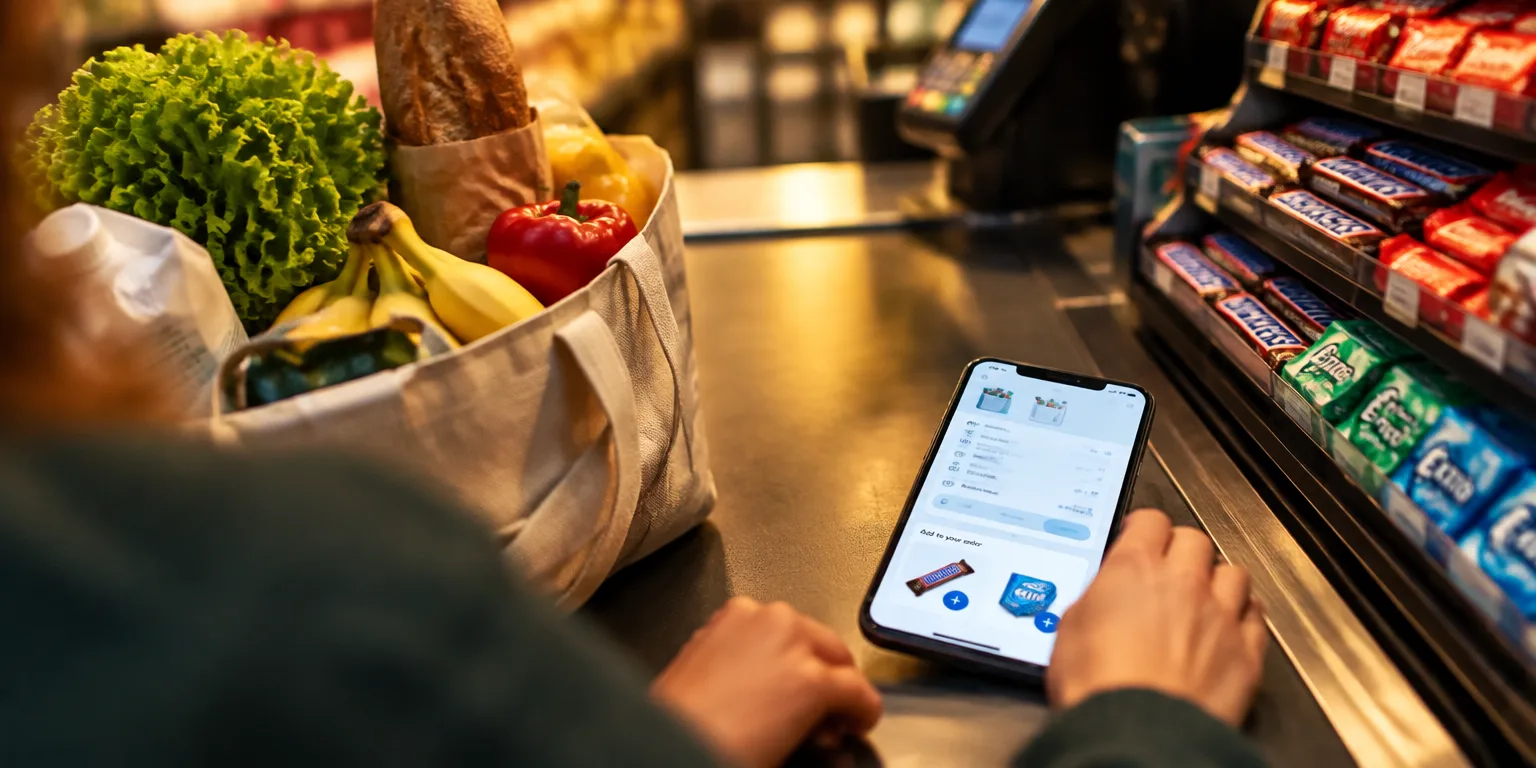
The system works because of timing. A shopper has already decided to spend money and is moving toward payment.
It is the same logic as the rack by the supermarket register. In a physical store, candy bars, mints, and small toys catch people when they have already decided to buy and are waiting to pay. Online, the sponsored item appears just as the customer is ready to buy.
That moment is different from how the biggest ad businesses work. Social networks largely use detailed knowledge about a person, their friends, and their neighbors to guess what they might want. Search engines match an ad to the words a person just typed.
The pitch to brands is the upsell. It is the digital version of being asked to add a dollar to charity at the register, or to make the popcorn large for 50 cents more. The customer is already paying, and purchase intent is already clear at that point.
That is why the business is so valuable. Amazon now brings in $30 billion to $40 billion a year from advertising, and Uber brings in a couple of billion dollars the same way. On Amazon, you now have to scroll past many sponsored listings. Investor Jason Calacanis said his understanding was that advertising "is where the profits come from" for Instacart.
Questions people ask
How fast has Instacart's ad business grown?
It rose from $243 million in advertising in a quarter three years ago to $331 million in the most recent quarter discussed. That is about $88 million more per quarter.
How is this different from Google or social media advertising?
Social networks use detailed knowledge about a person, their friends, and their neighbors to guess what they might want. Search engines match an ad to the words a person just typed. Checkout ads appear later, when the shopper has already filled a cart and started to pay.
Why compare it to candy by the register?
In a physical store, candy and small items by the register catch shoppers after they have decided to spend. Online, a sponsored product can appear at the same late point. It is like being asked to add a dollar to charity or to make popcorn large for 50 cents more.