Investors blame Nike's $200 billion slide on chasing messages over great shoes
After 18 years in the index, the sneaker giant watched longtime buyers defect to Brooks and On and stopped being a brand people wanted to be like.
 All-In with Chamath, Jason, Sacks & Friedberg · AI Kills Everybody or Doomer Psyop? OpenAI's Math Breakthrough, Nike's $200B Collapse
Technology investor Jason Calacanis recounted Nike's fall from dominance. The 60-year-old company went public in 1980 with half the American athletic shoe market, remade culture with Air Jordans in 1985 and Just Do It in 1988, peaked at a $264 billion market value in 2021 and $51 billion in revenue in 2024, then fell about 80 percent from its peak, erasing about $200 billion in value, Calacanis said. After 18 straight years, it was removed from the S&P 100 and replaced by Palo Alto Networks.
Several investors blamed a common cause. They said Nike lost its way by chasing marketing messages and new ways to sell, instead of focusing on making great shoes worn by great athletes.
Calacanis said John Donahoe, who became chief executive in 2020, pushed hard to sell directly to shoppers and cut out many of the retail partners that had built the brand. Investor David Sacks called the shift change for change's sake and said Nike gave up store shelf space that went to competitors, which then took market share, including Hoka and On Running. Sacks said Nike also reorganized from divisions built around sports such as basketball, football, tennis, and swimming into men's, women's, and kids' divisions. In China, Calacanis said, sales fell 30 percent, with eight straight quarters of decline, as local brands Anta and Li-Ning gained.
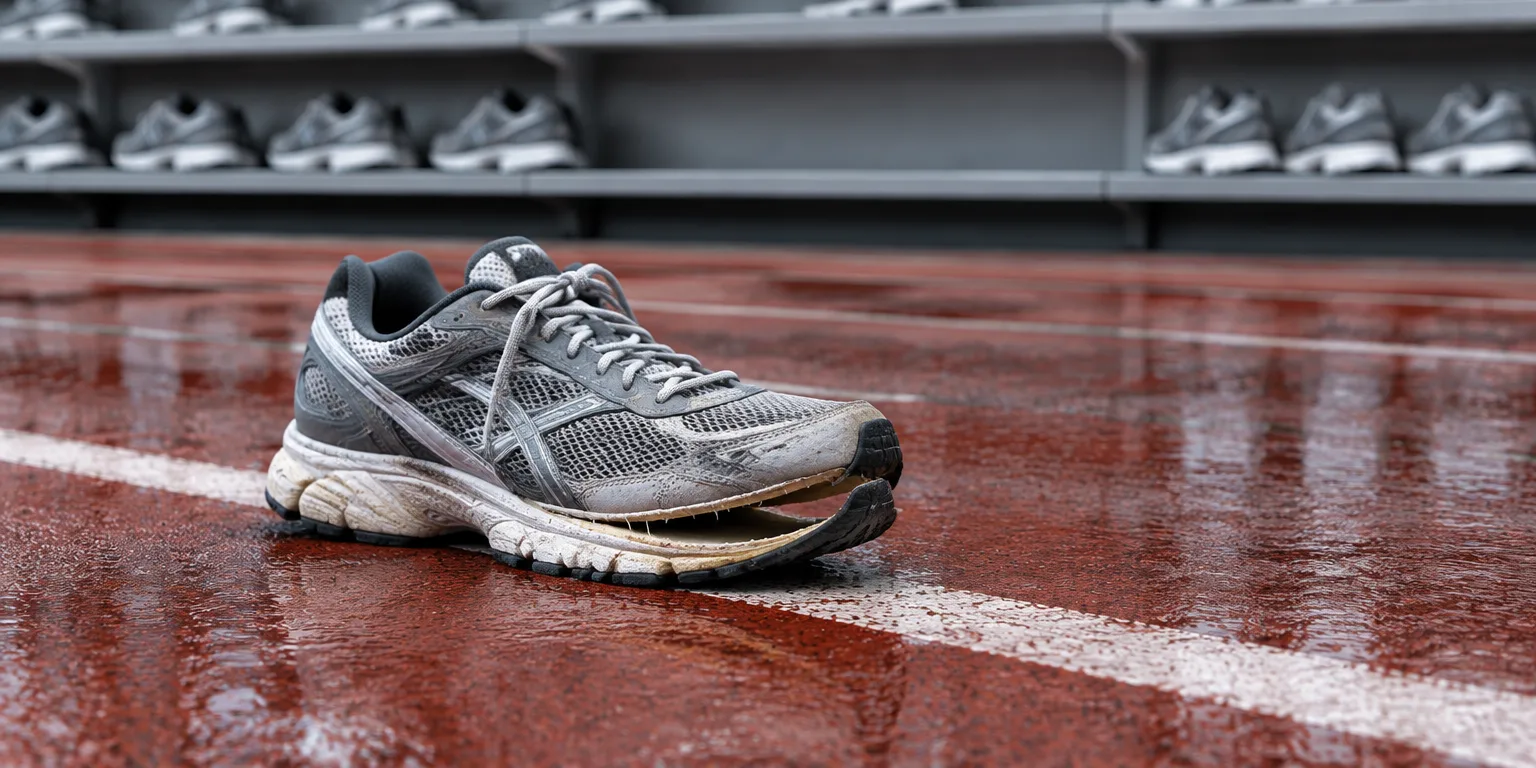
Loyal buyers said the shoes themselves got worse. Investor David Friedberg said he once bought only Nike, but the shoes became flimsy and fell apart in about six weeks. He said he stopped into the REI near where he buys salads, tried Brooks shoes for running, and never went back. He had developed knee problems while running in Nikes, and he said the Brooks were durable, comfortable, and long lasting and felt great. Investor Chamath Palihapitiya said he was the same kind of Nike loyalist, buying new pairs every six months and keeping a collection, until he moved to On because of tennis star Roger Federer, who stood for excellence and ease.
Brooks is presented as the opposite of Nike, a company focused on product. Friedberg noted that Brooks, owned by Berkshire Hathaway, has grown revenue by double digits for nine straight years to $1.6 billion. He said its chief executive passed along advice from Warren Buffett that if the company kept improving the product each year, growth would follow.
Investor David Sacks dated the marketing turn to the Colin Kaepernick advertisement. He contrasted Kaepernick with Jesse Owens, the American sprinter who won four gold medals at the 1936 Olympics, Jackie Robinson, the baseball player who broke the color barrier, and Muhammad Ali, the heavyweight boxing champion who refused the draft during the Vietnam War. Sacks said those athletes were among the greatest and stood for large causes, and asked what Kaepernick, who he said was not one of the greats, was promoting by kneeling during the anthem. Sacks then said Nike kept doubling down with campaigns including one with the transgender influencer Dylan Mulvaney. Calacanis said Nike had lost its guiding purpose, which had been mastery and excellence through athletics, embodied for him by Michael Jordan, Tiger Woods, Serena Williams, and Pete Sampras.
Questions people ask
What does getting booted from the S&P 100 actually mean?
As a general rule, the S&P 100 holds about 100 of the largest companies in the broader S&P 500, based on size and stability. Removal usually means a company has shrunk or lagged its peers, but that general description does not by itself explain any single company's case.
What is Brooks, and why do runners like it?
Brooks is a Seattle-based running shoe company focused on performance runners. It is owned by Berkshire Hathaway and operates as a standalone subsidiary, and it has grown by emphasizing fit, durability, and steady yearly product improvement.
What is On Running, and what is Roger Federer's connection to it?
On is a Swiss athletic brand known for cushioned road running shoes with distinctive pods on the sole. Tennis star Roger Federer joined as an investor and creative partner, and the brand has expanded rapidly in running and lifestyle shoes.