Israel's deadlocked election could be decided by war, not votes
Netanyahu has twice used a national emergency to bring a rival into a power-sharing government.
 Up First from NPR · Midterm Spending Blitz, GDP & Inflations Reports, Israel Election Deadlock & Iran War
Israel has counted almost all the votes, and no one can form a government.
Benjamin Netanyahu and his allies won 53 seats in Parliament. Rival Gadi Eisenkot and his allies won 48. Both are short of the 61 seats required for a majority, and the remaining uncounted ballots are not expected to change the deadlock.
The ordinary solutions look closed. Eisenkot could reach a majority by partnering with Arab-led parties, which won a record 19 seats as advocates for Israel's Palestinian Arab minority, but that alliance is seen as too politically risky after years in which Arab politicians were vilified in Israeli politics. Repeat elections are also possible, but Eisenkot does not want them, and the opposition would struggle to bring voters out again after failing to defeat Netanyahu this time.
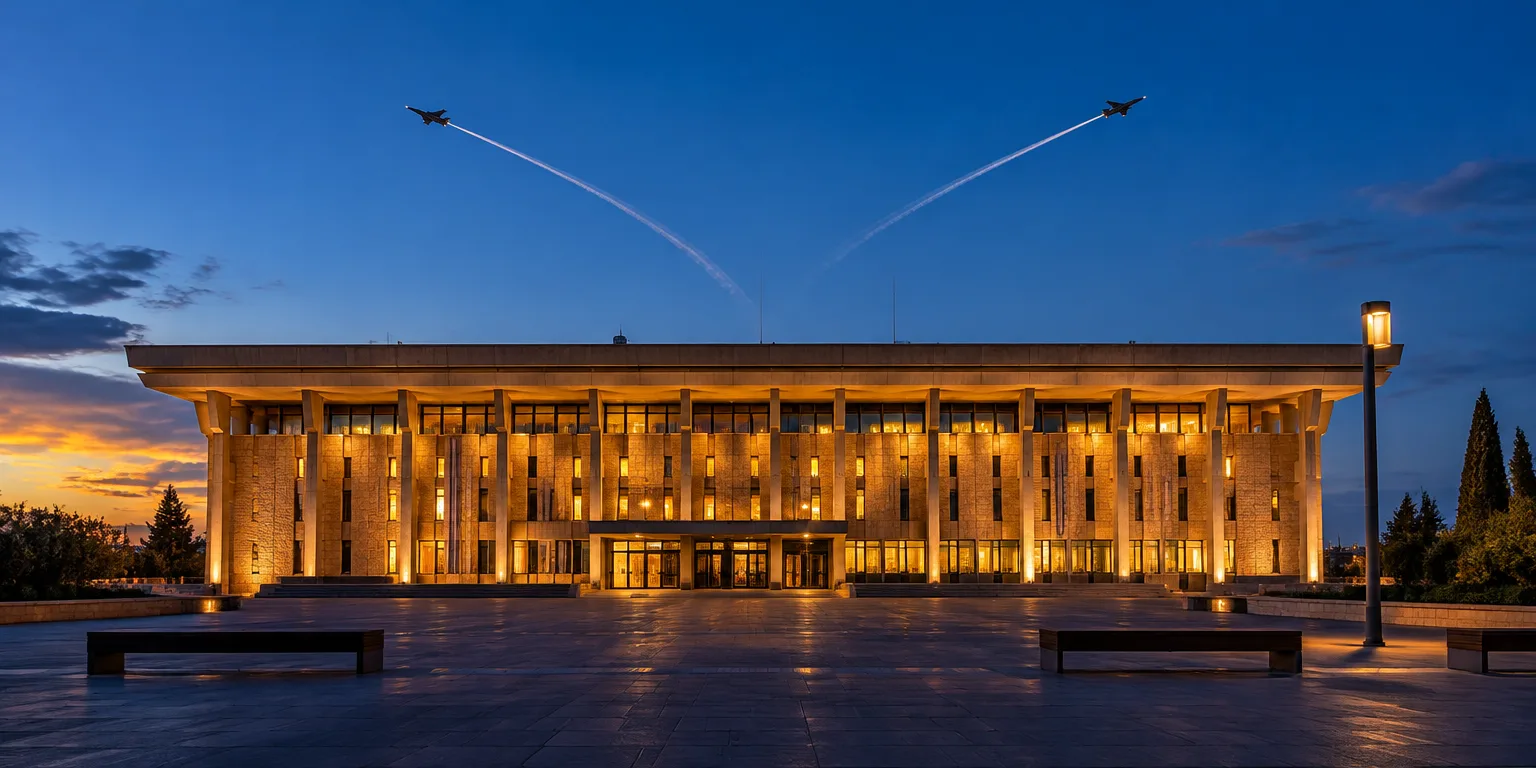
This is where a war could come in. Netanyahu campaigned on a vow to join the United States in attacking Iran, and Dani Sitrinovich, who formerly directed Iran analysis for Israel's military intelligence arm, says Netanyahu has a clear incentive to return to war while a government is being formed because it would serve his interests.
Netanyahu has persuaded rivals to share power in an emergency twice before. In 2020, during COVID, he talked his chief opponent into sharing power in a joint government. After the October 7th attacks, he brought Eisenkot into a wartime emergency cabinet. NPR reported last week that Washington and Jerusalem might be getting ready for a potential strike as early as the week after the American midterms.
On election night, Eisenkot urged Netanyahu not to launch an Iran war to gain political advantage. Eisenkot would find it hard to stay out, because once fighter jets are in the air, opposition leaders usually back the troops, as they did in the last round.
Questions people ask
Why does Israel need 61 seats to govern?
Israel uses nationwide proportional representation, so voters choose parties rather than individual district candidates. Seats in the 120-member Parliament are divided according to each party's share of the vote, which is why 61 seats is the magic number for a majority. Small parties therefore have outsized power as coalition partners.
Who is Gadi Eisenkot?
Eisenkot is a former military chief of staff who entered politics as a centrist challenger to Netanyahu. He previously served under Netanyahu in the emergency war cabinet formed after the October 7th attacks, then left it. That history is why he is both Netanyahu's main rival and a plausible unity partner.
What would an emergency unity government actually do?
It would mean Netanyahu and Eisenkot agreeing to share power despite running against each other, often by dividing the premiership or cabinet posts over time. In an emergency version, the deal is usually narrower and framed around managing a war or crisis. Netanyahu did this with rivals in 2020 and again after October 7th.