Probiotics Are Seeds, Prebiotics Are Fertilizer, and Postbiotics Are the Harvest
The garden makes sense of three similar words for the gut microbiome and its fuel.
 HEALTH TALK AMERICA · Ask the Pill, the Pancreas, and the Panel: Your Questions, Answered
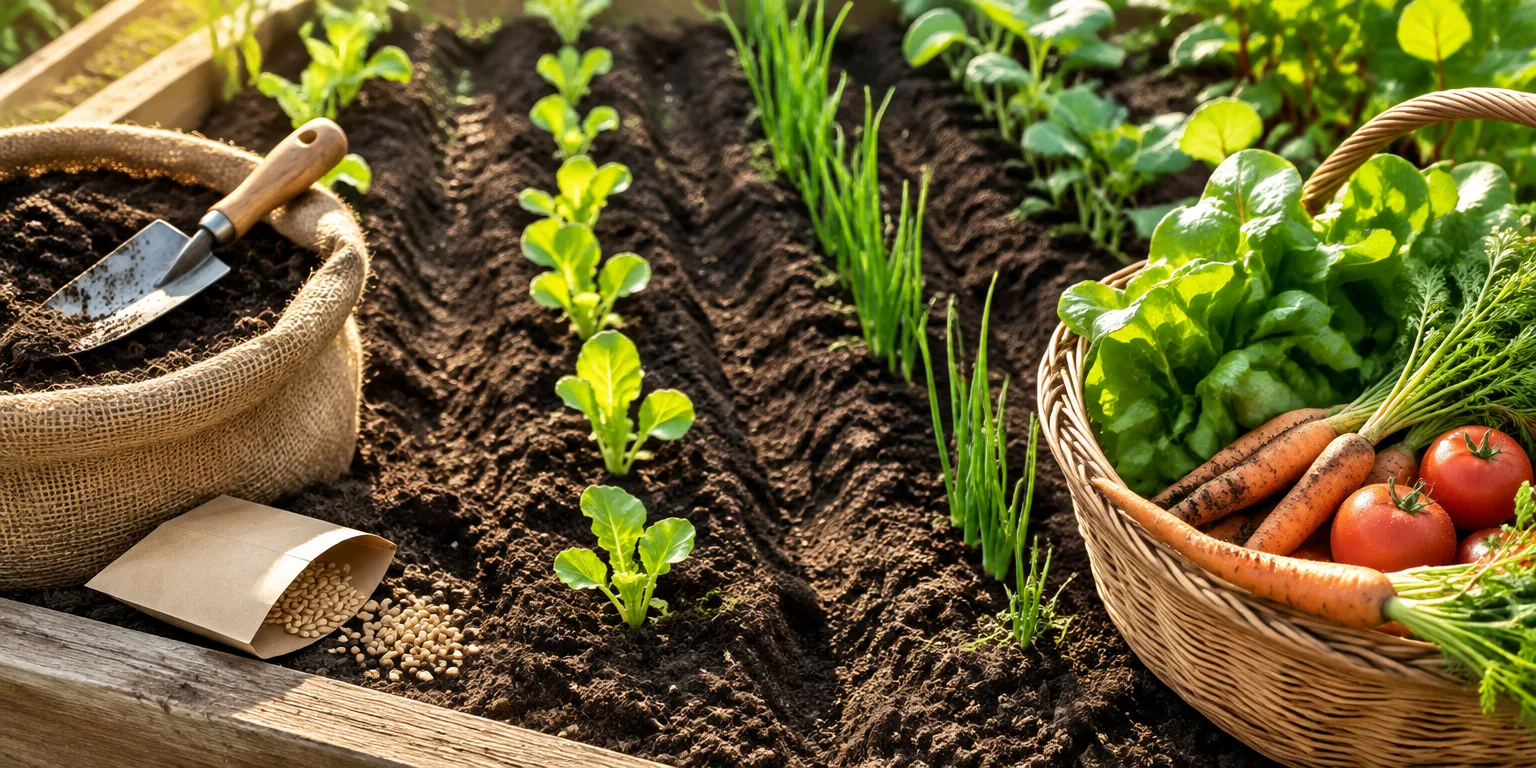
Jane Jansen, a holistic practitioner and former cardiology lab chief, describes the digestive tract as a garden rather than a pipe.
In her account, the microbiome, the community of microbes in the gut, is the planting bed. Like a garden, she says, it must be tended in order to function well.
Probiotics are the seeds in that garden. Jansen describes them as live, beneficial bacteria that help the microbiome function, and Brockman, a doctor, summarizes them the same way, as live bacteria.
Prebiotics are the fertilizer. Brockman describes them as the food that feeds those bacteria, usually fiber or plant compounds. Jansen says fiber-rich foods nourish the beneficial microbes in the gut.
Postbiotics are the harvest. In Brockman’s summary, they are what bacteria make when they feed, the helpful byproducts the body can use.
Jansen’s example is butyrate, a short chain fatty acid. She says the purpose of feeding good bacteria is to create postbiotics such as butyrate, which helps repair the gut wall and supports immune function.
She also says antibiotics wipe out the good bacteria in the digestive tract, which in garden terms removes the seeds from the soil.
Questions people ask
What is the difference between a probiotic and a prebiotic?
Probiotics are generally described as live microbes, while prebiotics are generally described as the fibers and plant compounds those microbes consume. In the garden account, one is the seed and the other is the fertilizer. Postbiotics are a third category, the compounds produced during that feeding.
What is butyrate?
Butyrate is a short chain fatty acid made when gut bacteria ferment fiber. Cells that line the colon can use it as fuel. Scientists study it as one way microbes affect the gut barrier and signaling to the immune system.
Why does the analogy include soil?
The garden image treats the gut lining and its microbes as soil that affects whether new microbes establish. Dry, untended soil is Jansen’s image for a gut where scattered seeds struggle. Tended soil is her image for a microbiome where beneficial bacteria can function.