JFK's Lead Pathologist Burned His First Autopsy Draft in His Fireplace
The official account of how the president died rests on a rewrite, after the original was rejected and destroyed.
 Who Killed JFK? · Forensics
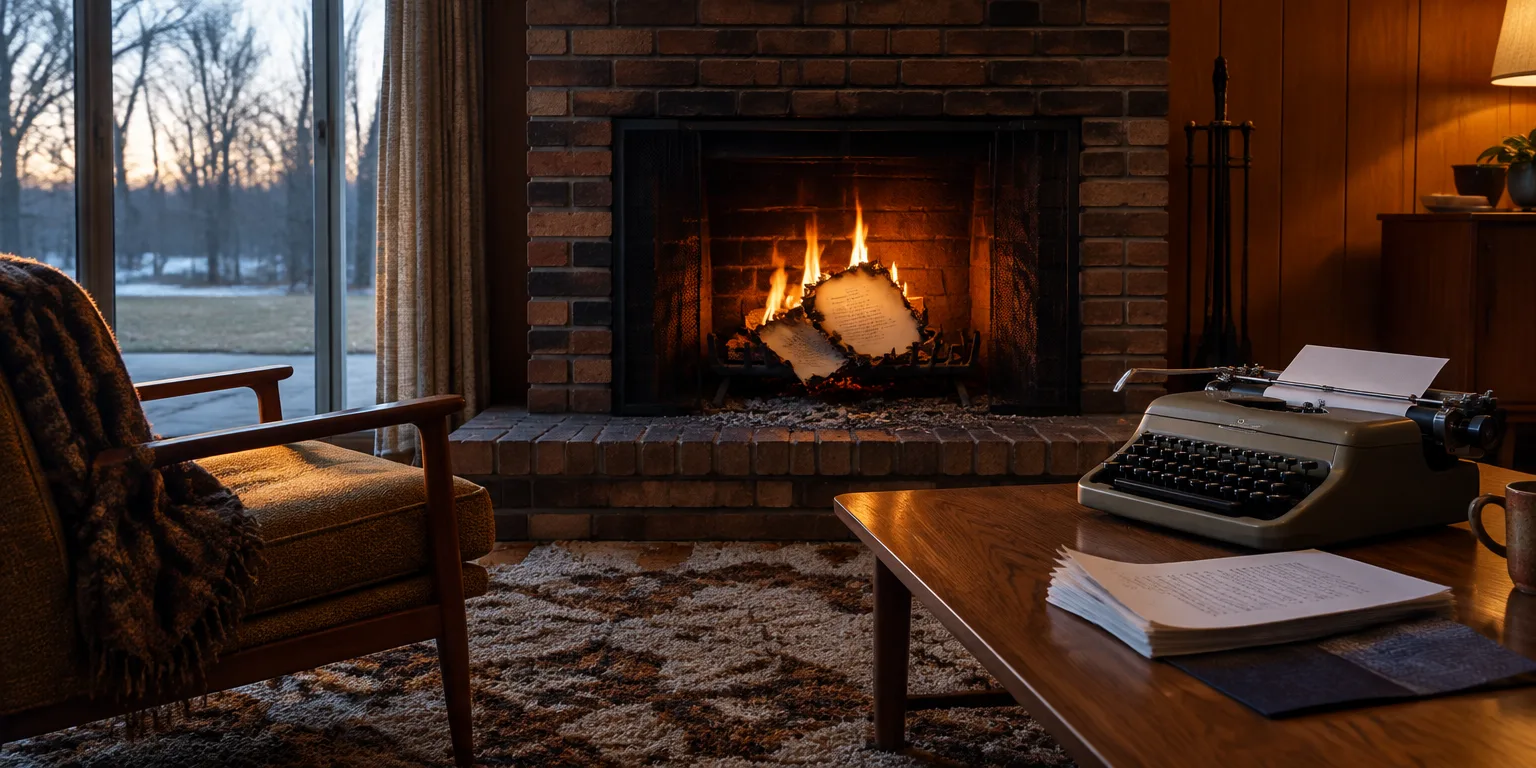
Early on Sunday morning, November 24, 1963, Dr. James Humes, the Navy pathologist who had led the autopsy of President John F. Kennedy, made a draft of the autopsy report at home.
It followed an autopsy of extraordinary national importance, begun after Kennedy had been pronounced dead in Dallas and flown to Bethesda Naval Medical Center outside Washington. Thirty-six hours later, Humes and pathologist Dr. J. Thornton Boswell had concluded their work, and Humes took the writing home to finish it with precision for the official record.
A year later, testifying before the Warren Commission, Humes described what he had done with that draft in plain language. "That draft I personally burned in the fireplace of my recreation room," he said. After he burned it, no original remained, only Humes's rewrite.
Humes later explained the burning. In 1992, in an interview with the New York Times, he said the draft had been stained with the president's blood and that he had not wanted it to become, in his words, a "ghoulish collector's item." He maintained the rewrite matched the destroyed draft exactly.
What happened between the autopsy table and the fireplace made that claim harder to accept. Doug Horne, a former senior staff member of the federal board that later reviewed the assassination records, traced the paper trail and found Humes had produced two sets of conclusions.
Humes had worked through the night at home to produce a typed draft, and on Saturday morning at 10 o'clock, he met with his colleague, pathologist Dr. J. Thornton Boswell, to review it. That same day, Horne said, drawing on what Boswell told investigators under oath, somebody rejected the draft.
Overnight, according to Horne's account, doctors in Bethesda had repeatedly telephoned Dr. Malcolm Perry, the Dallas trauma surgeon who had treated Kennedy, to press him to call a wound in the president's throat an exit wound rather than an entrance wound from the front. Perry told a nurse the next day that the calls had kept him up all night.
Then, on Sunday, Humes burned not only the first draft but most of his original notes. The final report that entered history was the revision written after the Saturday rejection and the overnight calls to Dallas. That rewrite rests on his word that it matched the draft.
Questions people ask
Why was Kennedy's autopsy done at a Navy hospital in Maryland instead of in Dallas?
Texas law required that the autopsy be performed in Dallas County, where the shooting occurred. After doctors at Parkland Hospital pronounced Kennedy dead, Secret Service agents removed the body and flew it with the new president to Washington, where the military took charge at Bethesda.
What was the review board that Doug Horne worked for?
It was the Assassination Records Review Board, created by Congress in 1992 after renewed public pressure to release secret files. The board spent four years collecting assassination records, declassifying them, and taking testimony about the chain of custody for evidence like the autopsy report and photographs.
Where is the final autopsy report now?
The revised report, with related photographs and X-rays, is held in the JFK assassination collection at the National Archives in Washington. Researchers can read the final report, but the burned draft and most of Humes's original notes have never been examined because they no longer exist.