Kalanick Says New York Taxi Licenses Were Free, Then Made Drivers Poor
Permit holders collected $80,000 a year renting one car, while each driver paid $40,000 for half its time, in Kalanick's account.
 David Senra · Travis Kalanick, Founder of Uber & Atoms
According to Travis Kalanick, the founder of Uber, a New York taxi license once cost nothing. By the time Uber arrived, he says, that same permission let a permit holder collect $80,000 a year renting out one car, while the drivers who worked it in 12-hour shifts were, by his account, left impoverished.
Kalanick frames the change as a century-long lesson in how regulation can be captured. In the early 1900s, he says, anyone with a car could pick up passengers and charge for the ride. The city decided to require a license, and Kalanick says it sounded simple and fair. Anyone could get one for free, as long as they followed the rules of the road and cleared basic checks.
About 13,000 licenses were issued, Kalanick says. Then, in the 1920s and 1930s, he says those holders lobbied the city to stop issuing any more. As New York grew, he explains, more people needed rides across town, but the number of legal taxis stayed fixed.
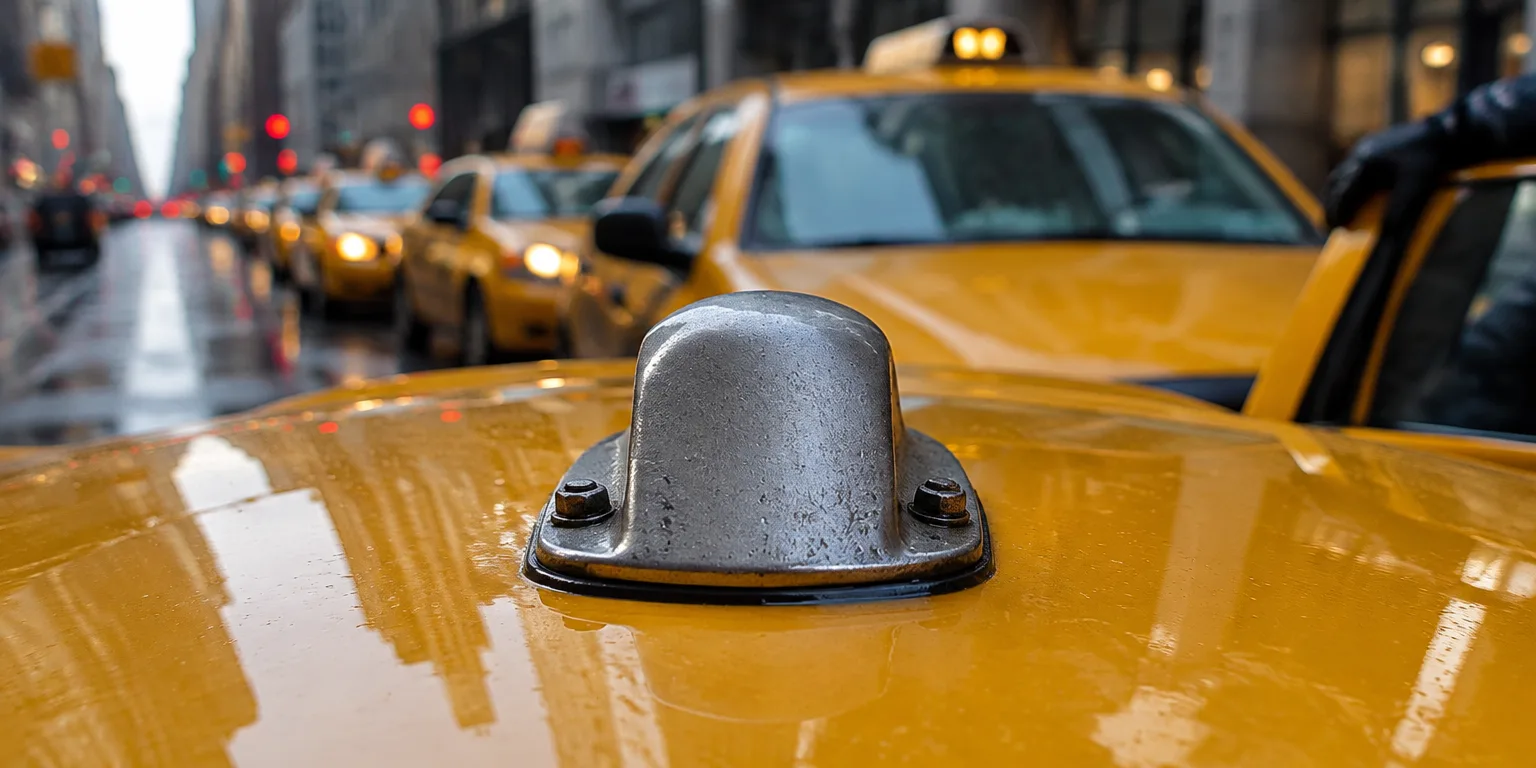
The holders lobbied again, Kalanick says, and pushed for the right to sell their licenses to someone else. That transferable license became known as a medallion, a small metal plate fixed to the car that proves it can legally pick up street hails. Because no one else was allowed to compete, Kalanick says, the medallion produced an artificially high cash flow.
Then came one more change, in his account: owners asked for the right to lease the medallion by the day or the week. That created the modern system Uber walked into, he says. A taxi could run around the clock in two 12-hour shifts, and each driver paid about $40,000 a year just to rent the car for half of each day. Kalanick says the owner collected the two drivers' payments, or about $80,000 a year, for a permit whose grandfather got it for free.
Kalanick calls the result a "government condoned cartel" that outlaws competition. After more than 100 years, he argues, the regulators and the industry they oversaw became almost indistinguishable. Of the driver paying $40,000 for half a car, he says, "For that privilege, he gets to be impoverished."
Questions people ask
What exactly is a taxi medallion?
A medallion is a small metal plate attached to the hood of a taxi. It proves the car has one of the limited city licenses to pick up street hails, so without it a driver cannot legally operate a yellow cab in New York.
Why did the city agree to stop issuing licenses?
City leaders said a cap would reduce congestion and ensure orderly, safe service. Once the cap was in place, however, the existing holders had a strong reason to keep supply fixed, since scarcity made each license more valuable.
What happened to the price of a medallion?
They soared. At their peak around 2013, individual New York medallions sold for more than $1 million, often bought with borrowed money. After ride share apps expanded supply, prices collapsed to a fraction of that, leaving many owners with large debts.