Kluger learned to cook by feel after overcooking 125 pork tenderloins
Chef Dan Kluger overcooked 125 pork tenderloins, then learned to tell they were done when they glistened.
 Freakonomics Radio Network · Why Great Cooking Can't Be Measured | Better in Person
Chef Dan Kluger was describing the night he overcooked 125 pork tenderloins when he was asked the obvious modern question: why not just use a thermometer.
His answer was simple. "It's real and you have to connect with it," he said. "You have to understand it."
By real, Kluger meant that cooking is physical and alive, not a formula to follow. He said he cooks more by senses than by science. Tune out the noise, he argued, and you will hear the noise of the pan. He does not want "lemon juice in a squeeze bottle," Kluger said, because then you are not connecting with the lemon when you dress the salad.
He learned that the hard way. On his first night working saute, the station that finishes meat and fish in pans, at the big New York restaurant Mesa Grill, he was assigned a busy Labor Day Sunday. He cooked pork tenderloins five at a time, with only two burners and other dishes to fire, and he spent hours getting crushed. He overcooked more than 100 of them, 125 by his later count. He called his father from Union Square and, later, cried in the walk-in cooler. He apologized to his chef the next day.
The chef put him back on saute the next Saturday night and gave him an assignment: "You have seven days to be one with the pork."
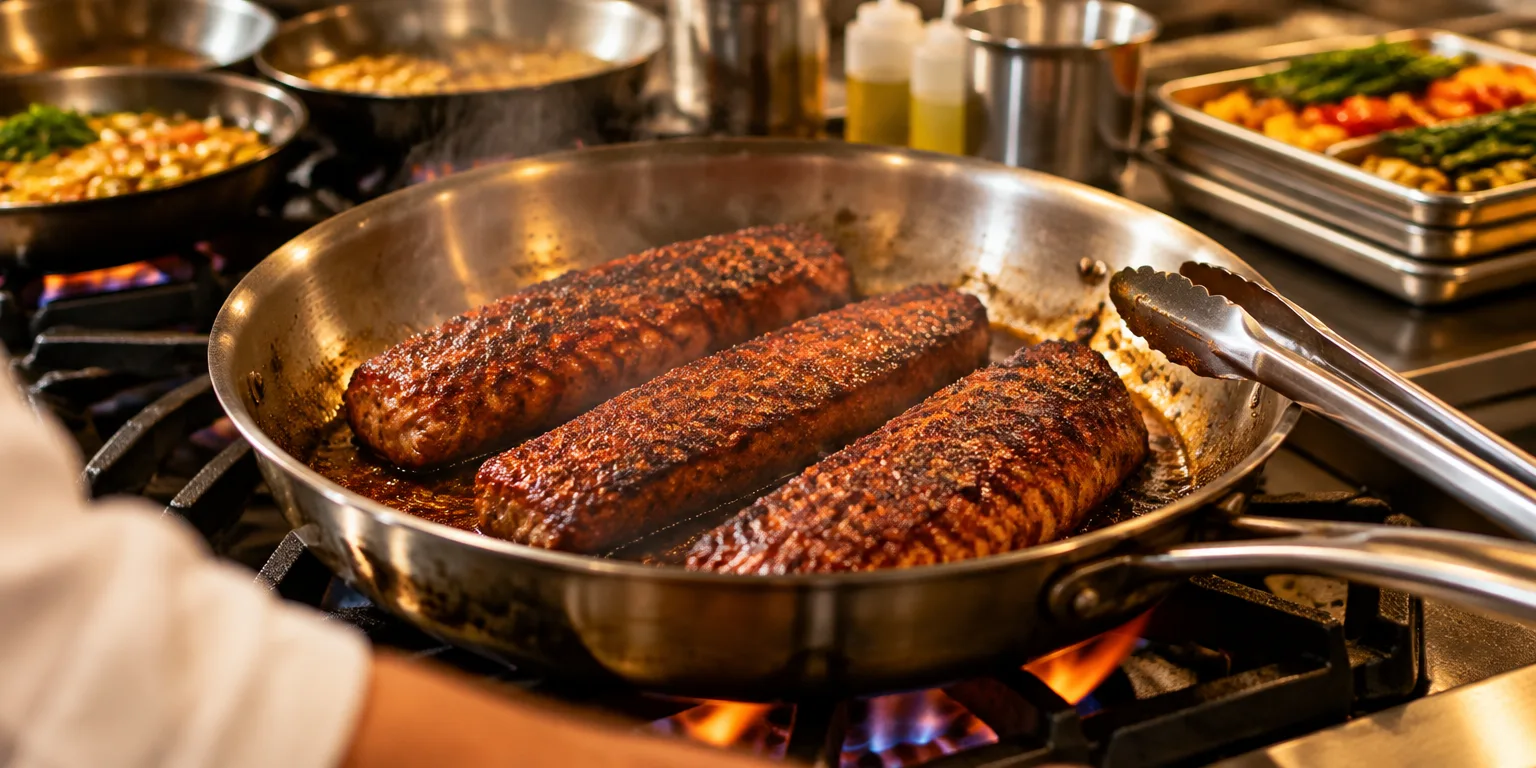
Kluger spent the week searing ancho chili rubbed tenderloins, putting them in the oven, watching them change, and pulling them to check the clock. Four minutes, check. Five minutes, check. Then one day they glistened at him, a shine that told him a mid-rare tenderloin was ready.
He admits he could have used a thermometer, and Kluger calls modern precise cooking "a fun science project that you get to eat." But he believes we have been told by people presenting with authority that there is always one right way, and anything else is lesser. His pork taught him the opposite, that no one could show him and he had to learn it himself. That was the moment, he said, when he finally "started to understand what cooking was."
Questions people ask
What does it mean to work saute in a restaurant kitchen?
Saute is one of the hottest and most pressured stations, where a cook finishes proteins and composed dishes to order in pans on the stove. The cook must juggle multiple pans, burners, and timing, firing each dish so everything lands at once. It is often a proving ground because mistakes show up immediately on the plate.
Is it safe to eat pork that is still pink or mid-rare inside?
Yes, if it is cooked to a safe internal temperature and rested. U.S. food safety guidance now allows whole cuts of pork to be cooked to 145 degrees with a three minute rest, which can leave the center pink and juicy. The old rule to cook pork until completely white came from concern over a parasite that is now very rare in commercial pork.
What can you actually hear when you listen to a pan?
The sizzle is water escaping from food and turning to steam in hot fat, and its loudness and pitch change with heat and moisture. A fierce, crackling hiss usually means high heat and rapid browning, while a weak sputter can mean the pan is too cool or overcrowded. Experienced cooks use that sound, along with smell and sight, to adjust the flame before food burns or steams.