Knowing You Are Wrong Can Still Feel Right
Daniel Kahneman says we accept optical illusions, but thinking errors keep feeling true.
 Inc. · Daniel Kahneman: Thinking Fast vs. Thinking Slow | Inc. Magazine
Daniel Kahneman, the psychologist, economist, and Nobel Prize winner who wrote Thinking Fast and Slow, was asked why people keep making mental mistakes even when they catch themselves using a shortcut. Much of mental work happens automatically, he said, and slowing down can sometimes let people see things that the fast and automatic part of the mind does not.
His answer turned on the difference between seeing wrong and thinking wrong.
“With the visual illusion you really believe that you’re wrong,” Kahneman said, “but with the cognitive illusion, it continues to feel right.”
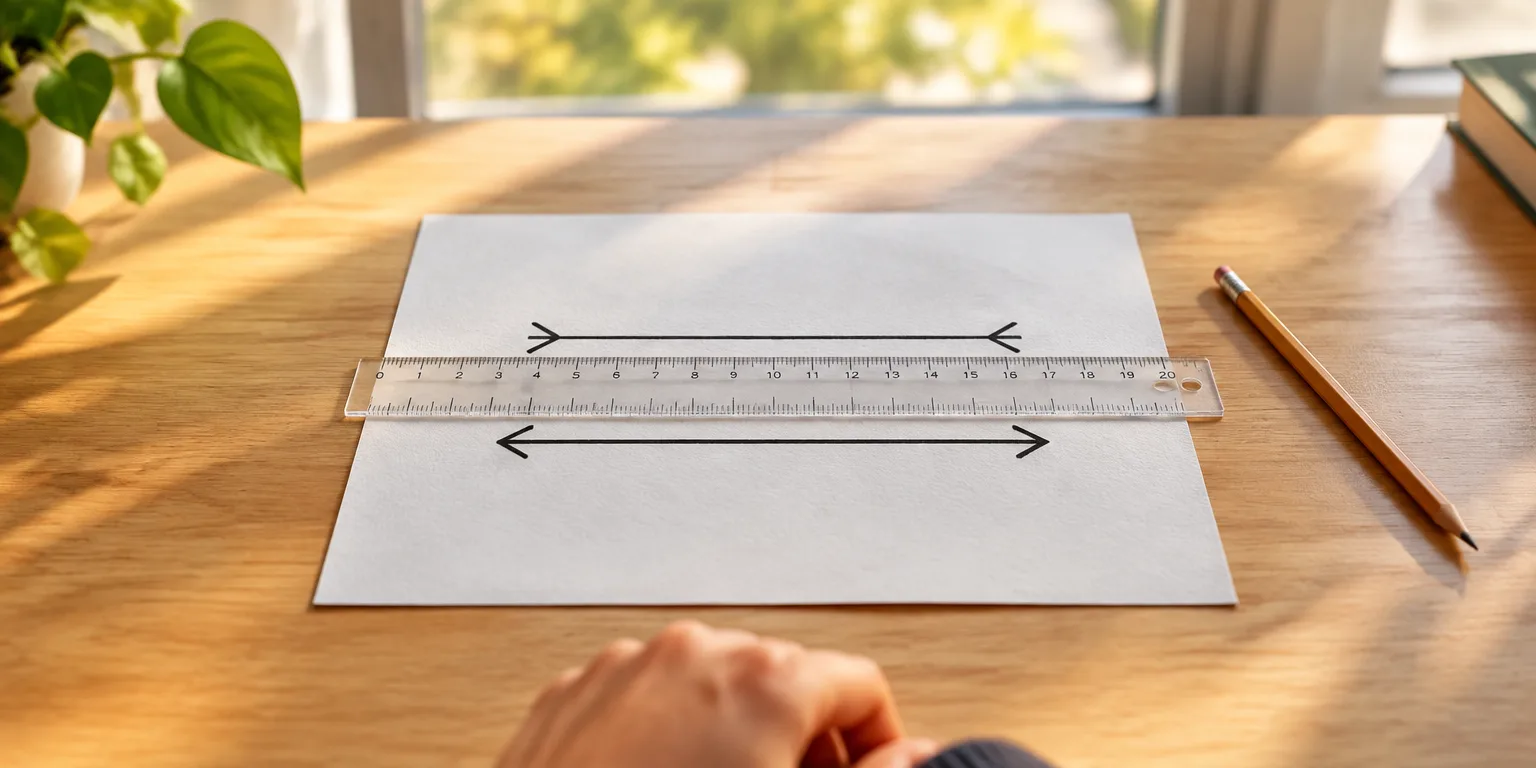
He pointed to a well known visual trick with two lines, where one line looks longer than the other. When you are told the lines are of equal length, you believe it. You know you are wrong. And yet, as Kahneman put it, “one continues to look longer than the other.”
Kahneman calls these mistakes in judgment cognitive illusions, not mistakes in seeing. They are not as clearcut as the lines. “Somebody tells you it is an error, your better self tells you it is an error, but it still feels right.” Knowing the answer does not make the feeling go away.
Because the feeling persists even after a warning, being aware of a shortcut does not protect people, in his view. People often act on the feeling.
Questions people ask
What are System 1 and System 2?
System 1 is fast, automatic, and involuntary, like knowing that 2 plus 2 is 4 or feeling emotion when you hear your mother’s voice. System 2 is slow, effortful, and deliberate, like doing complicated math or carefully controlling your thoughts. Kahneman argues that System 1 does most of the mental work.
Can you train yourself to overcome cognitive illusions?
Partly, yes. Research on judgment finds that slowing down, writing down reasons, using checklists, and asking for outside views can reduce some errors. But the bias often returns under time pressure, fatigue, or strong emotion, because the fast system is still running.