Laptops for Every Student in 500 Rural Schools Did Not Improve Learning in Peru
Kids used computers more and gained computer skills, but learning did not improve, and Uruguay reported a similar result.
 The Vergecast · Schools are catching onto tech’s playbook
Giving every student a laptop in more than 500 rural schools in Peru did not improve learning.
The schools took part in One Laptop Per Child, a project backed by charities and technology firms to provide low-cost laptops to students in poorer countries. Researchers tracked what happened over about a decade when each child received a machine.
Natasha Singer, who covers education and technology for The New York Times, says computer use rose and students gained computer skills, but educational outcomes did not improve. Uruguay, which tried the same approach, reported a similar result.
Questions people ask
What was One Laptop Per Child?
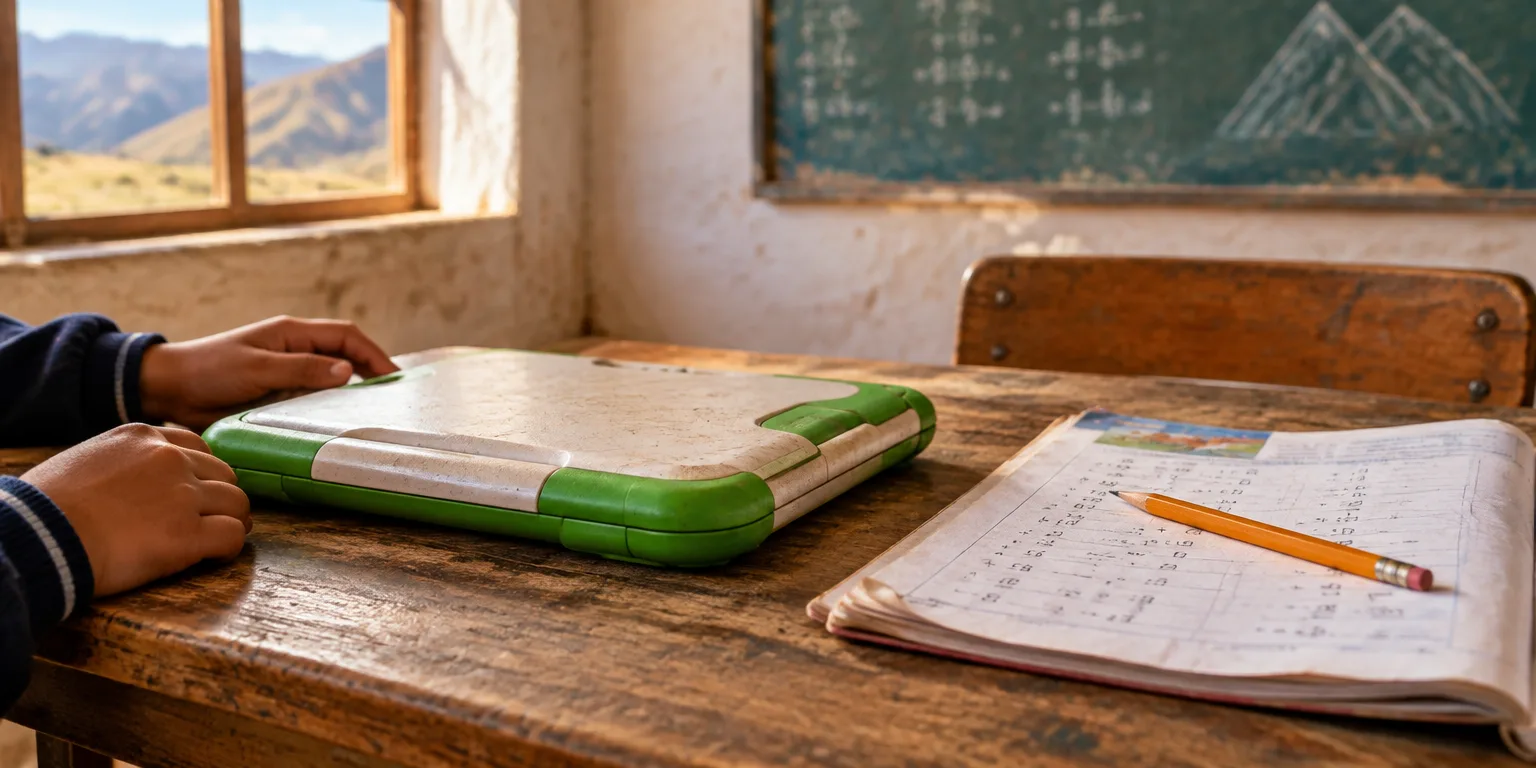
One Laptop Per Child was a nonprofit effort started at MIT in 2005 to build a cheap, rugged laptop for children in developing countries. Its small green-and-white XO laptop was meant to cost about $100 and was distributed in large numbers in Peru, Uruguay, and other countries.
Why would computer skills improve but school learning stay flat?
Using a device more often can teach device skills without teaching math, reading, or science. Researchers generally find that learning improves when technology comes with teacher training, lessons tied to the curriculum, and classroom time to practice. A laptop alone does not supply those things.
Is Peru an outlier, or have other reviews found the same pattern?
Other reviews have reached a similar conclusion. UNESCO has said there is little rigorous evidence that digital technology by itself improves educational outcomes. Most published ed-tech studies are also funded or conducted by the companies selling the products, which makes independent results like Peru's especially important.