Laughter Can Arrive in the Middle of Grief
Hours after his father's death, a comedy writer's family found itself laughing at an unexpected question.
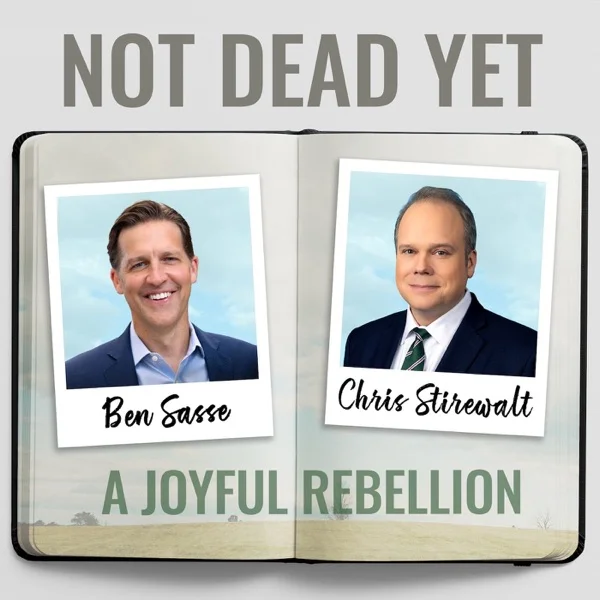 Not Dead Yet · Rob Long
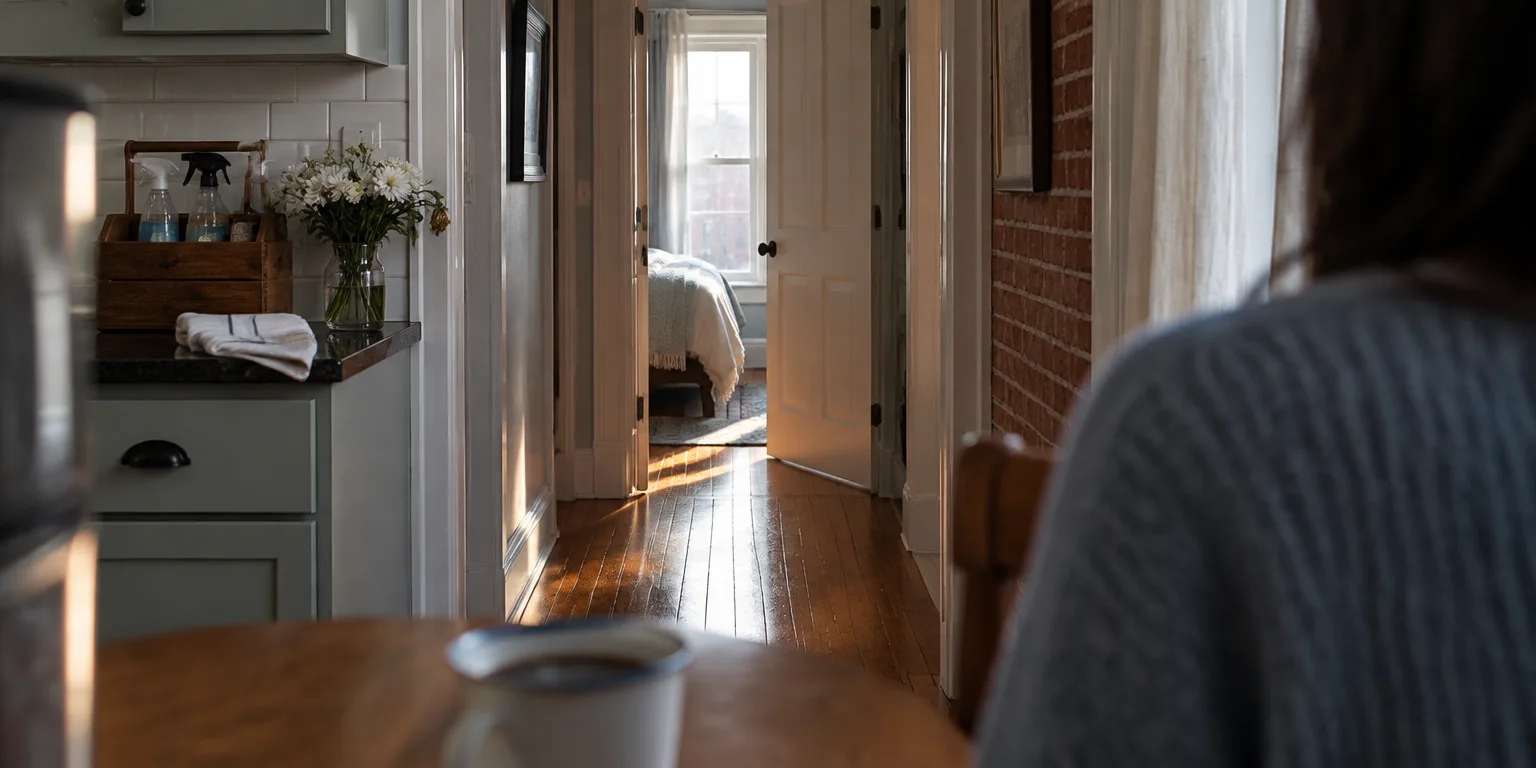
The housekeeper arrived in the morning and walked into a house gone still with death.
The father had died in his bed about three hours earlier, and his family was still gathered in their Baltimore home. No one had remembered to tell her, in Long's words, "today's not a good day to come."
Rob Long, a longtime television comedy writer, said the moment taught him something plain about grief. Laughter does not always wait until sorrow lifts, and in his family it arrived just three hours after his father died.
The housekeeper, a Polish Catholic woman working for a reserved Protestant family, was stunned and sweet, Long said. Then the housekeeper asked his mother, "are you gonna lay him out?"
She meant an open casket viewing, when the casket is open and people come to pay their respects. Long said he explained that to his mother as the housekeeper's tradition.
His mother said, "oh my God, your father would die." The line hung there for a second, absurd and perfect, because he just had.
Then they laughed, and laughed again. Long called it the disbelieving, belly deep kind of laughter that comes in the worst moments, when you cannot quite accept what is happening.
It did not make anything okay, he said. But the sweet, stunned housekeeper had asked exactly the wrong question, and for a moment, grief had room in it for laughter.
Questions people ask
Is it normal to laugh so soon after someone dies?
Yes. Grief counselors and researchers say laughing, crying, anger, and numbness can alternate quickly in early bereavement. Laughter does not mean someone loved the person less, and it often releases tension when the reality feels overwhelming.
Why would a serious moment trigger uncontrollable laughter?
Partly because the brain reacts to surprise and incongruity. A startling remark breaks the expected script of solemn mourning, and the body can respond with laughter before a person decides it is appropriate. Exhaustion and shock make that involuntary response even more likely.
Who is Rob Long?
He is a television writer and producer who worked on the sitcom Cheers. He later wrote columns, books, and podcasts, and has spoken about comedy, faith, and working across political differences in Hollywood.