Listen to Customers Pitch Friends to Find the Objection
The Paribus founders heard customers warn friends about a 25% cut, so they made referrals lower the fee for both sides.
 Y Combinator · How To Build The Future: Eric Glyman, Co-CEO of Ramp
Eric Glyman, now co-chief executive of finance company Ramp, learned to jump-start referrals by listening to customers pitch his product when they thought he was not in the room. The trick helped his first startup turn wary users into recruiters.
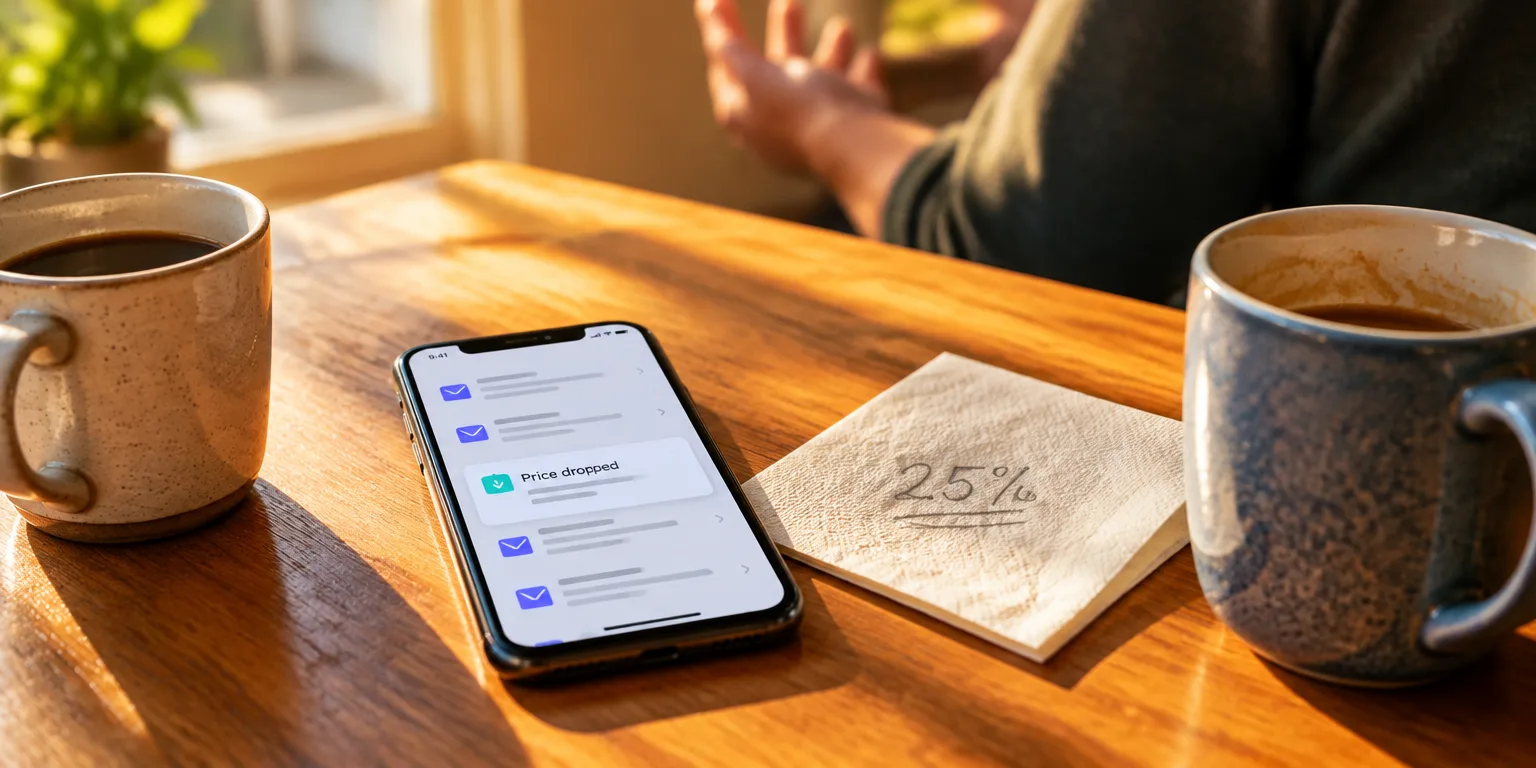
That startup was Paribus, an app that scanned email receipts and collected refunds when something you had bought later went on sale. It charged nothing upfront and kept 25% of whatever it recovered, but growth was hard fought because the offer sounded too good to be true.
Glyman and his co-founder wanted to hear the unfiltered pitch, so they ran what he called a Craigslist test. They posed as outside market researchers studying their own company, asked users what they thought of the app, and listened as users explained it to friends.
Only after the explanation did they reveal they were the founders and ask whether the user had told others. Heard repeatedly, the pitch followed the same pattern: Paribus saves you money when purchases go on sale, but you should know it keeps 25% of the savings.
When users pitched friends, they volunteered the fee and the request for email access, laying out positives and negatives to show the offer was real. That caveat was the friction.
The fix was to give referrers a way through it. Paribus added a two-sided referral deal: if you referred someone, both you and your friend would pay 20% instead of 25%. Glyman said referrals exploded, and growth kept compounding.
Drawn from the Paribus case, one suggestion for testing this is to invite a few users to explain your product to a friend while you observe as a neutral researcher, note where they add a warning, and consider a referral that lowers that specific cost for both sides, with prompt disclosure afterward.
Questions people ask
How did Paribus actually get people refunds?
Paribus connected to your email, found receipts, tracked prices, and filed price-adjustment or refund claims when the price dropped. It collected its fee only when money came back, so customers paid nothing if it found nothing.
Is it okay to pose as a researcher to interview your own customers?
It can feel deceptive if people learn later that researchers were the founders. A cleaner version is to have a contractor or colleague run the interview, record with permission, and reveal the purpose at the start or immediately after.