Losing all motivation can be physical, not personal
After two tiny strokes left him unable to shower or set up his stereo, a three-month course of a dopamine-stimulating drug brought him back.
 Huberman Lab · How to Improve Motivation & Overcome Procrastination | Dr. Masud Husain
The man in the waiting room was late, disheveled, and stained. Masud Husain, an Oxford neurologist, had phoned him the day before to get him to come at all, and the man had grudgingly agreed to try.
Just a short time earlier, that man, named David, had been a highly productive finance worker in his 30s, well liked and with a wide circle of friends. Then he changed completely, at work and with friends, to what Husain sums up as, "I'm not interested. I can't be bothered."
His doctor thought it was depression and prescribed an antidepressant. It made no difference. That failure points to the larger meaning of David's case, which Husain has studied for years: motivation is not character, it is biology, a calculation in the brain that weighs reward against effort and runs on the chemical dopamine.
David was fired for losing motivation. He lost his apartment because he stopped paying rent, and he could not be bothered to claim government benefits. Friends invited him to stay with them, then regretted it almost immediately. He sat in a chair all day, waiting for them to cook and clean, and he had to be prompted to shower.
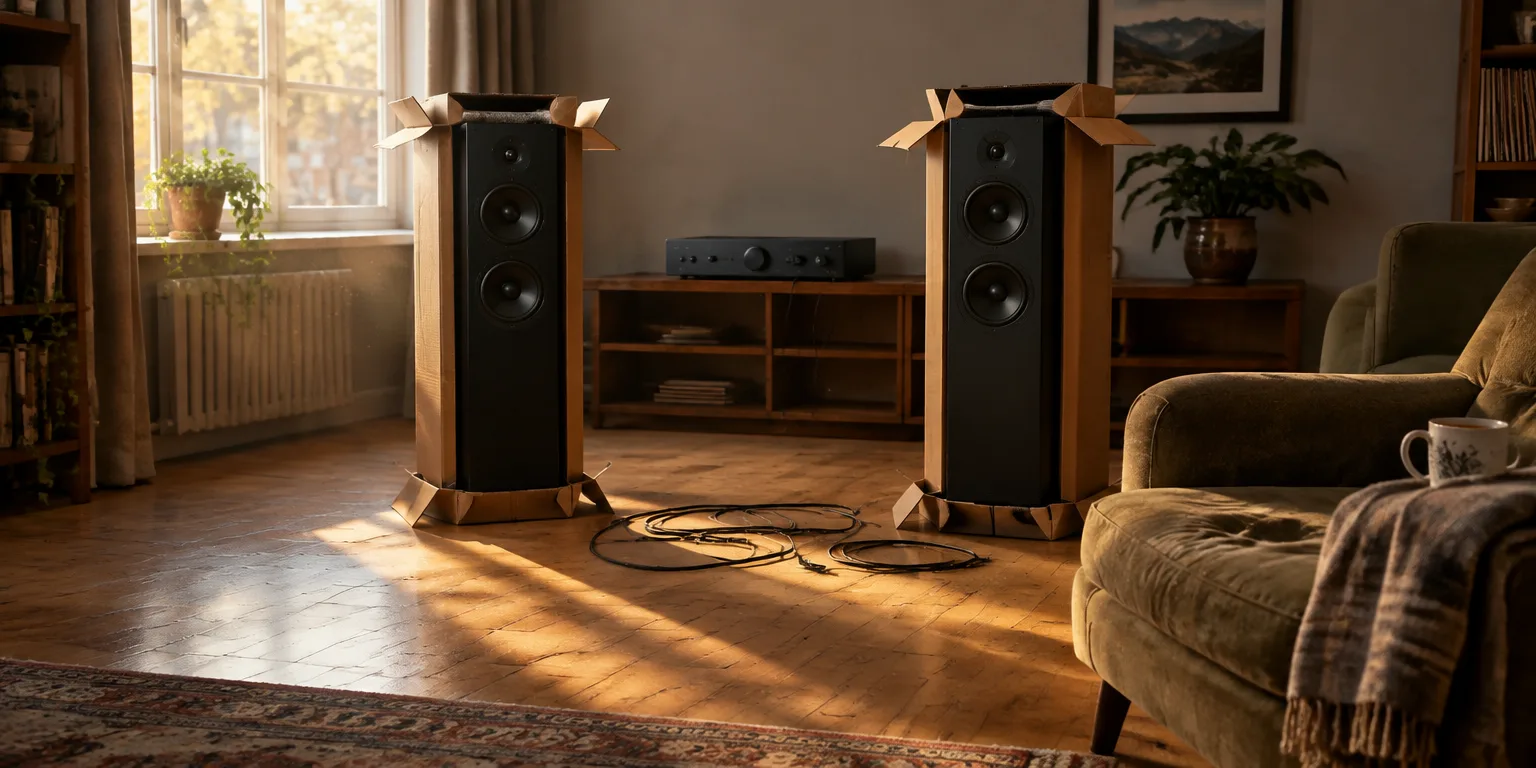
Yet he was not unhappy, which perplexed Husain. He had lost his job and his home, but he said he was happy and looked forward to good things. When Husain asked why he no longer listened to music, David said it would take five minutes to pull out the loudspeakers and connect the cables. That small effort outweighed the pleasure he would get from listening.
Brain scans gave the answer. David had suffered two tiny strokes in the basal ganglia, clusters of nerve cells deep in the brain that link motivation signals to action. The structures are ancient, dating to a jawless fish called the lamprey 360 million years ago, and in animals the affected spot is called the nucleus accumbens. The strokes did not affect David physically, but nothing moved him to act on his own, though he would shower or move if someone prompted him.
Husain first tried levodopa, the Parkinson's drug described in the book Awakenings, which supplies the raw material for the brain to make dopamine. It made no difference, either in behavior or in tests of sensitivity to reward. He then tried ropinirole, which stimulates dopamine D2 and D3 receptors directly.
Three months later, David returned and Husain did not recognize him in the waiting room. He had showered, had a haircut, wore a suit, had a new job, and had a new girlfriend.
Questions people ask
How is apathy different from depression?
No. Depression usually involves sadness, hopelessness, and loss of pleasure. David was happy, looked forward to good things, and said he would enjoy music, but judged the five minutes of effort to set up his stereo as not worth it. Doctors can mistake one for the other, as his first doctor did.
What does dopamine do in motivation?
In this circuit, dopamine helps carry the signal that a reward is worth the effort to act. The basal ganglia use that signal to engage the brain's action systems, whether the drive is hunger, thirst, or a larger goal like keeping a job. When the signal is weak, a person can know what would be pleasant and still not start.
Can anyone who feels unmotivated take ropinirole?
Ropinirole is approved for Parkinson's disease and restless legs syndrome, not for general lack of motivation. It stimulates dopamine receptors directly and can have serious side effects, including impulse-control problems and sleep attacks. David's case was extremely rare, with tiny strokes on both sides of the basal ganglia, and treatment was directed by a neurologist.