Lured to Laos for an IT Job, He Was Trapped and Beaten, Then Talked His Way Out
After months of secretly sending videos and chats to a reporter, Mohammed Muzaahir convinced his bosses he was useless to them.
 Fresh Air · Inside the 'modern slavery' where cyber scammers are victims themselves
The letter was fake, and his bosses knew it right away. Mohammed Muzaahir, a young computer engineer from India who called himself Red Bull, had forged a note he said was from police in his hometown. It claimed he was under investigation and had to return to deal with it, and warned that keeping him in Laos would only bring trouble on the compound too. He promised he would come back once he sorted things out.
Instead, the men who held his passport took him into a room and beat and kicked him. They starved him and interrogated him. At one point they stirred a white powder into water and ordered him to swallow it. It made him strangely talkative and broke his skin out in hives, as if a drug might loosen the truth about what he really wanted, which was simply to go home.
Muzaahir had come to the Golden Triangle, a zone in Laos just across the border from Thailand where Chinese companies and crime groups wield much of the control, for what he believed was tech-management work. He had a university diploma, an offer of good work in Southeast Asia, and instructions to fly to Thailand and cross the border. Once inside the compound, his passport was taken. He was told he owed thousands of dollars for travel, room, and board, and could work off the debt only by running romance scams and earning commissions, while being fined constantly for missing quotas, neglecting fake online profiles, or arriving late.
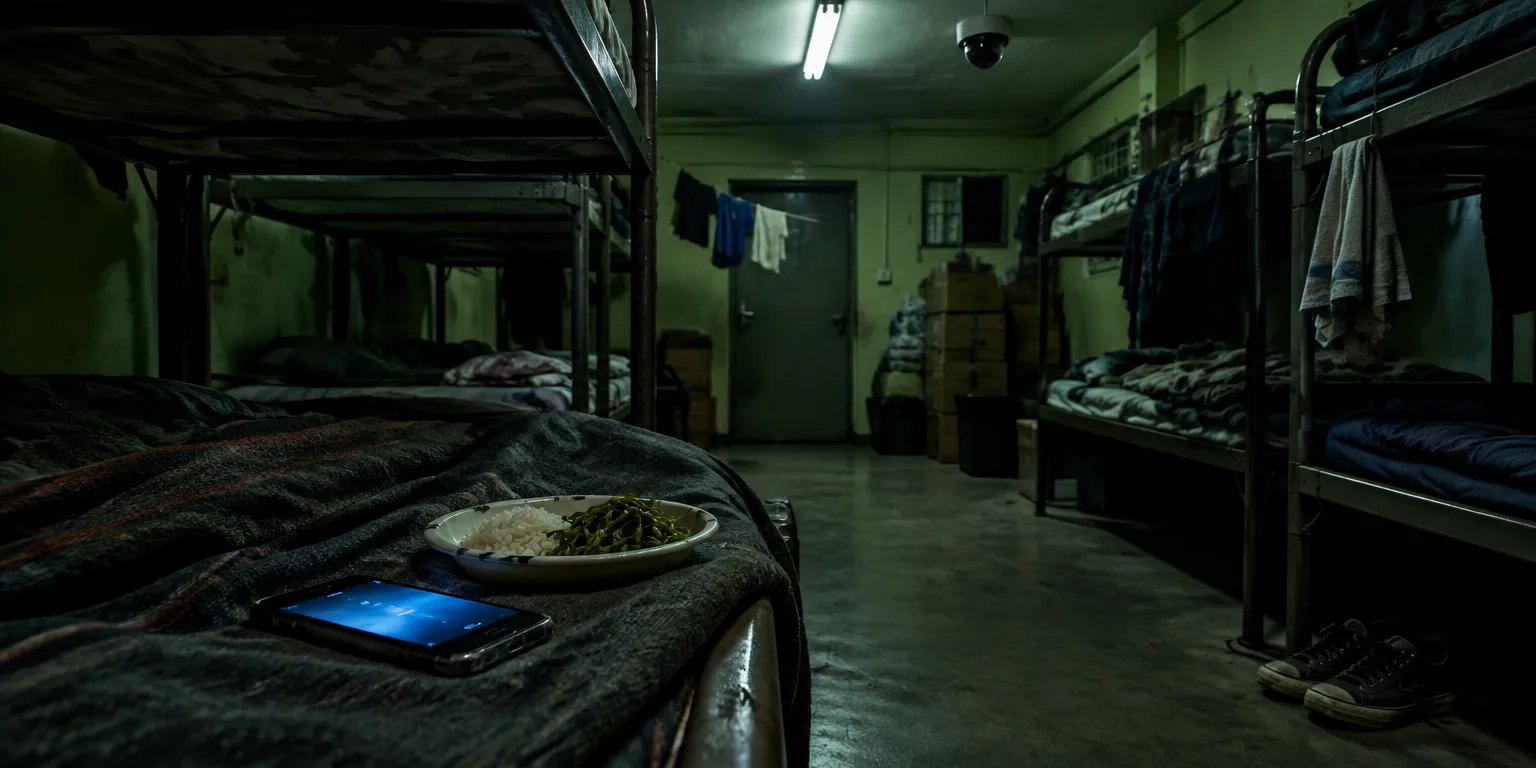
That system made him both a criminal and a captive. For months he had been secretly contacting Wired senior writer Andy Greenberg, starting with an encrypted email with no subject line that said he was trapped and wanted to leak everything he could. Over Signal, an encrypted messaging app, with disappearing messages, he sent more than three months of internal videos and group chats showing how the operation worked. He was a poor scammer, broke and living on rice and cafeteria vegetables with a chemical taste that left him feeling ill all the time.
After new cameras went up in the office, with one placed above his desk, people at Wired said the reporting had to stop for now because the risk was growing, and said they would not publish until he was out. Muzaahir then said he could not keep living there and would try to leave, which led to the forged letter and the beating. Greenberg said he was quite sure Muzaahir would have been killed if his bosses had learned he was talking to a reporter.
Then luck shifted. His bosses heard that local police planned to raid the compound, a raid that turned out to be largely for show and shut nothing down. Still, they hurriedly moved the office into the already crowded dormitory. In the confusion, Muzaahir moved additional material off his office phone onto his personal phone and made a blunt pitch: he was dead weight, useless at scamming and a burden while they were struggling to work. To Greenberg's surprise, they agreed, and essentially threw him out.
Back in India, he met Greenberg in person and decided to drop the pseudonym. He gave his real name, Mohammed Muzaahir, and showed his face on video, saying he wanted to inspire others to stand up to the criminal groups. Greenberg called the decision "a very brave thing to do" and called Muzaahir "one of the most incredible sources I've ever had the opportunity to work with."
Questions people ask
What kind of scams was the compound forcing him to run?
They run what is often called pig butchering, a long romance con conducted entirely by text. A worker befriends a target, builds a romantic relationship over weeks or months, then introduces a fake investment platform where the victim watches savings appear to double before being asked for ever larger deposits to withdraw.
Why couldn't he just walk away?
His passport was confiscated, and he was told he owed thousands of dollars for travel and living costs. The debt could supposedly be repaid only through scamming commissions, while fines for missed quotas and small rule violations kept the balance from falling.
How can places like this operate in the open?
The compounds are concentrated in remote zones in Laos, Cambodia, and Myanmar where local enforcement is weak or compromised. Researchers estimate hundreds of thousands of trafficked workers are involved, stealing tens of billions of dollars a year, which makes payoffs and protection easier than rescue.