Managers Go Easier on AI Teammates With Human Names
Identical documents with planted errors got less scrutiny when signed Alex3, and scrutiny fell 16% where AI counts as staff.
 The AI Daily Brief: Artificial Intelligence News and Analysis · 7 Things AI-Native Companies Do Differently
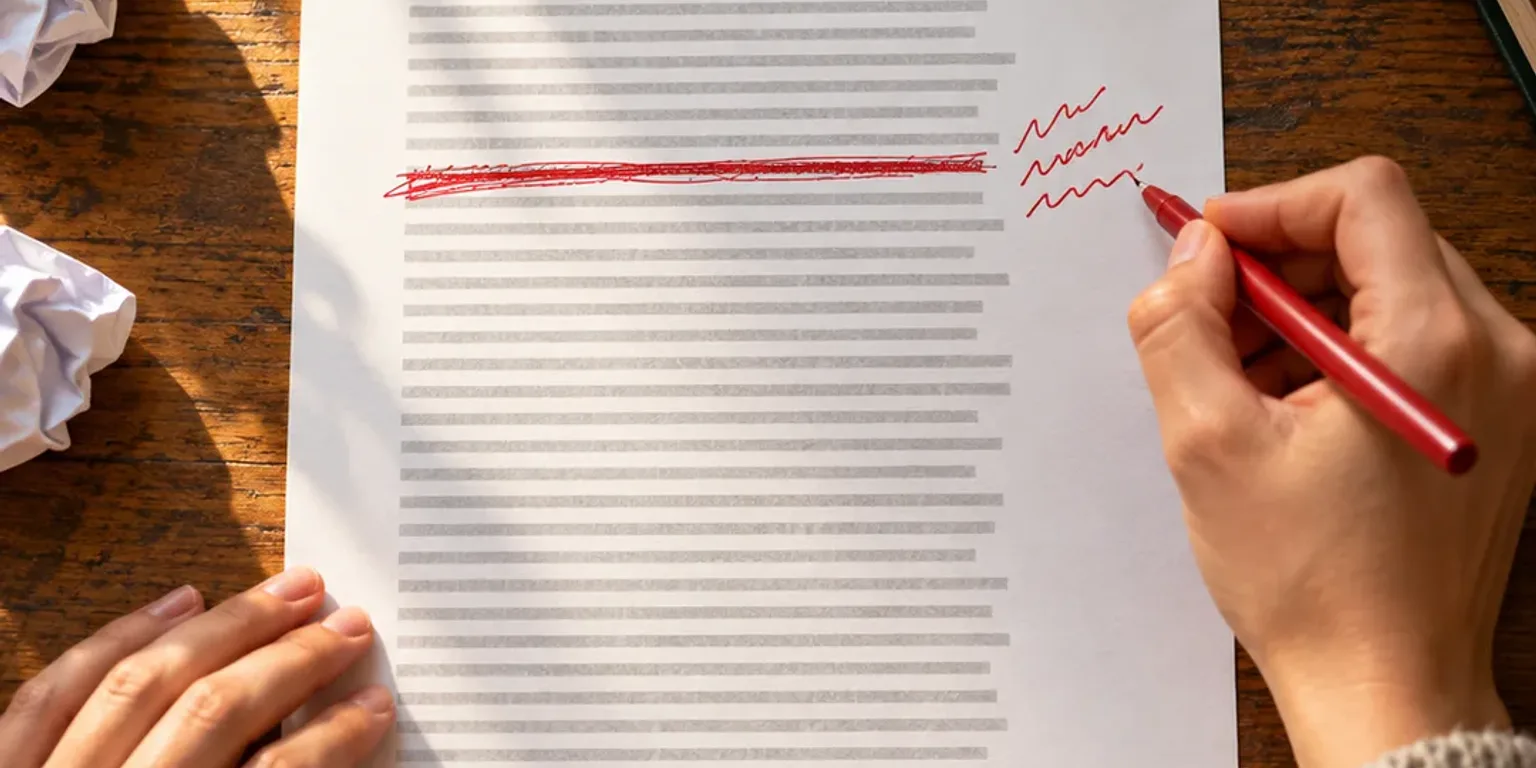
Give managers the same flawed document, and the study found they checked it less carefully if they thought it was written by an AI teammate named Alex3.
The test came from a Harvard Business Review study of researchers working with the consulting firm BCG. The documents had errors planted in them, and only the byline changed: AI software, a person called Alex, or an AI colleague labeled Alex3.
The effect was sharpest in firms that already regarded AI as staff. There, scrutiny of the work fell by about 16%.
One manager put it bluntly about an agent called Kevin: when Kevin makes a mistake, Kevin cannot actually be held accountable. It was one early study, so its limits matter.
Questions people ask
Why would giving AI a human name change how carefully managers check it?
One plausible explanation is that a human name triggers social habits. People may extend trust and politeness to something that sounds like a colleague, even when they should be checking its work like software. The study cited here did not test why the effect happens.
How should companies label AI work to keep review standards high?
A neutral label, such as AI draft or model output, reminds the reviewer that the text needs verification. Some companies also require a named human owner to sign off, so accountability stays with a person who can answer for mistakes.
Should companies stop giving their AI agents human names?
Not necessarily, but the names carry a cost. Friendly names may help adoption, yet managers should pair them with clear rules that AI output is unverified until a person checks it, especially for high stakes work.