Manhunts Pair Drones, Dogs, and Phone Traces With a Knock on Mom’s Door
Lenny DePaul says high-tech tools help, but a visit to the fugitive's mother remains central.
 Dateline NBC · Children speak at father's sentencing. Business partner on trial for double murder. Plus, manhunts.
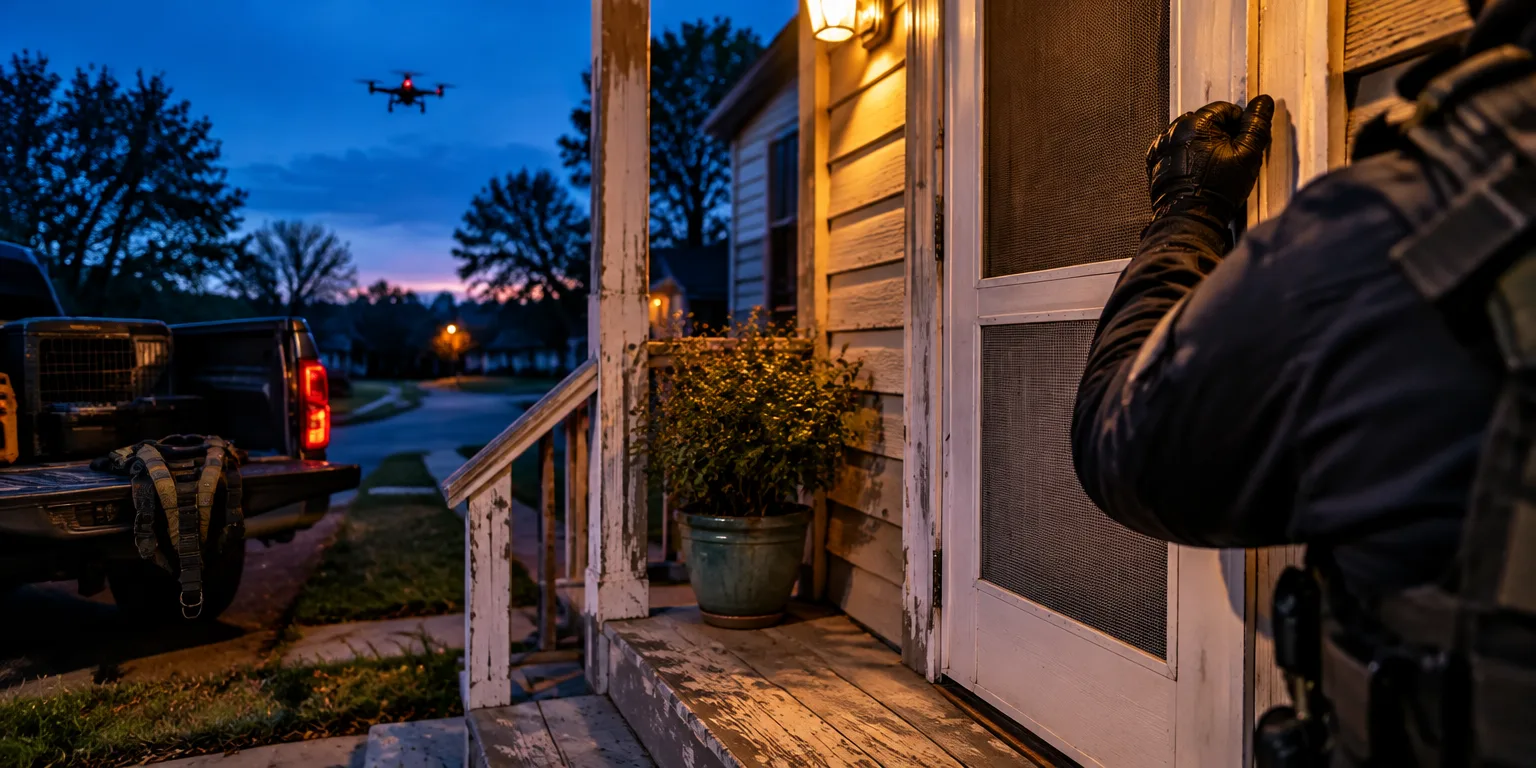
Even with aviation, drones and phone tracking, Lenny DePaul treats a visit to a fugitive's mother as central to a manhunt. DePaul is a former U.S. Marshals leader who ran fugitive operations in New York.
DePaul describes the start as a "full court press," with "all hands on deck." The assets, he says, include aviation support, drones, canines, bloodhounds, and thermal imaging.
Behind that visible search is a second investigation that turns the fugitive's life inside out. Officers review recent visitors, phone calls, online activity and which sites he opened, plus digital footprints and cellular traces including burner phones.
In general, investigators set a perimeter and stop vehicles. They check license plate readers, surveillance cameras, and closed circuit television for a description and for what the cameras picked up.
DePaul said that in his own searches in the woods with bloodhounds, the dogs would track a fugitive and then lose the scent at a road. That told him, in his words, that somebody picked them up.
As DePaul put it, alongside that technology is "old-fashioned police work," knocking on doors and questioning people. DePaul said he "used to love" going to talk to mothers because a mother "would be very important."
This is what DePaul said he would say at the door when he visits a mother: "hey, mom, your son just escaped from this prison. If you knew where he was, would you tell me?"
DePaul's summary was blunt: "You can run, but you can't hide. And when you run, you only go to jail tired."
Questions people ask
Why is a fugitive's mother such an important first visit?
Mothers often know a fugitive's friends, habits, hideouts, and family tensions, and may hear from him first. Even a refusal, a nervous reaction, or a tip about who else to ask can give investigators a next address or phone number to check.
How does thermal imaging help find someone hiding outdoors?
Thermal cameras detect heat rather than light, so a warm human body stands out against cooler woods, fields, or rooftops. Mounted on aircraft or drones, they let searchers scan large or dark areas quickly, then direct ground teams and dogs to a smaller spot.
What do license plate readers actually do?
Readers mounted on poles, patrol cars, or overpasses photograph plates and record time and location. Investigators can then reconstruct where a stolen car traveled, confirm whether it passed toward a particular town, and look for nearby surveillance video.