Many airlines fly new suites to London and old seats to Singapore on purpose
A business refit costs millions per plane, so many airlines save the best seats for long flagship routes.
 DMARGE · Why Great Airlines Suck At Luxury
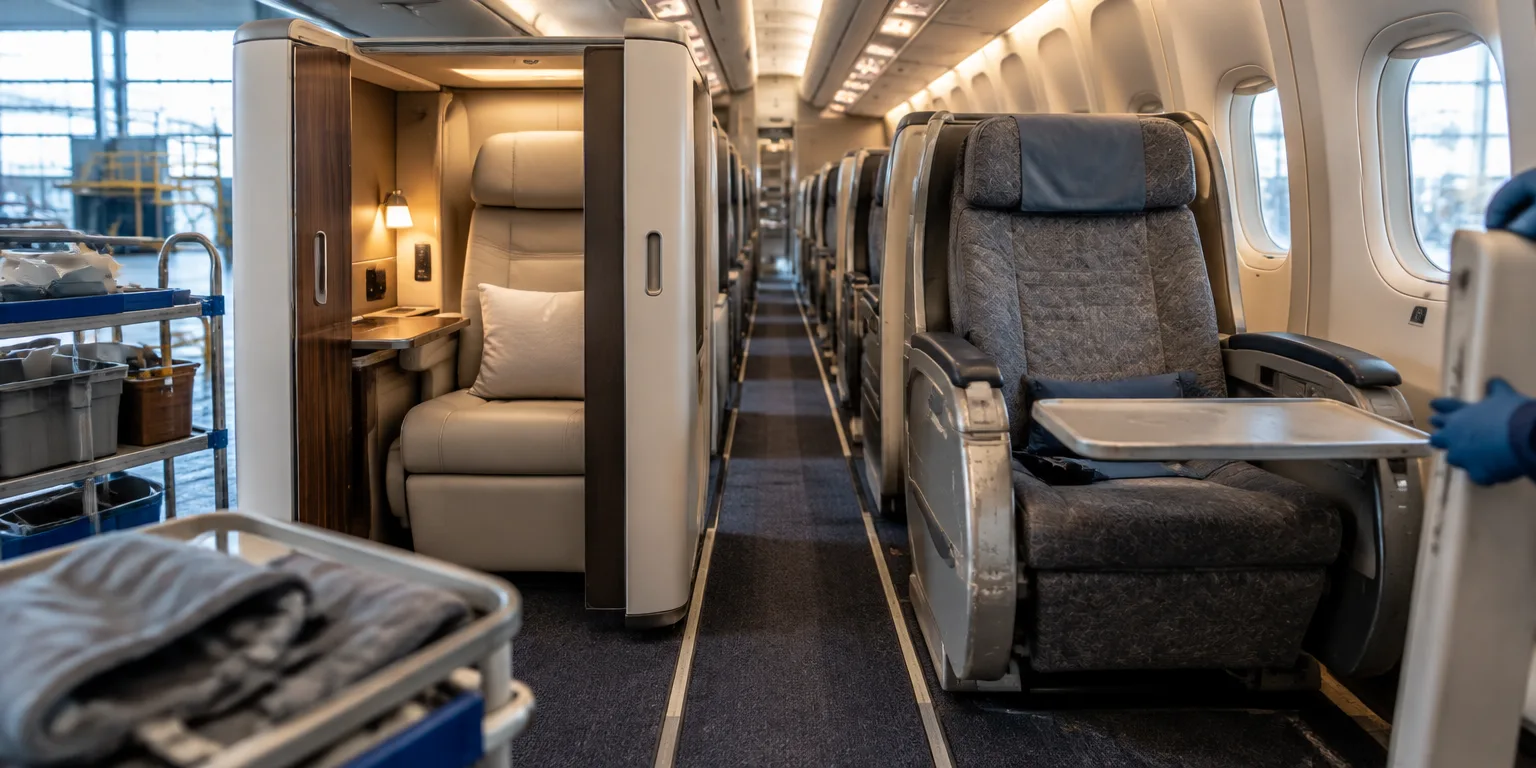
Many airlines fly cutting edge suites on a flagship run like Sydney to London while keeping tired recliners on a shorter hop like Sydney to Singapore, on purpose.
Outfitting one jet with new business seats costs millions of dollars per plane. For many carriers, that spending does not pay off when most trips last less than eight hours or demand for pricey tickets swings with the seasons.
So many airlines put the newest seats on long routes where they matter most and keep older seats elsewhere. They would rather spend on running costs and reliability than on fancy seats.
That means an old seat is often a decision to spend elsewhere, a trade many airlines make.
Questions people ask
Why not just upgrade the whole fleet at once?
Because the cost is per airplane, not per route. Once a carrier spends millions to refit one jet, it still has dozens of others to do, and management often decides the money earns more elsewhere, in fuel efficiency, staff retention, and fleet reliability.
How long does it take to get a new business seat into service?
Often a decade or more. After an airline approves a new seat, it must clear engineering, safety certification, and supplier delays across multiple aircraft types. A design that looked cutting edge in 2014 can feel old by the time it actually flies.
Why do Emirates and Qatar Airways spend so much when others will not?
They use premium cabins as brand advertising. For Emirates and Qatar Airways, Business and First are the core of the brand, a billboard at 35,000 feet that sells identity through details like Champagne, sliding doors, and pyjamas. Legacy carriers tend to see premium as a necessary cost, with the real money in discounted corporate fares, high fare economy passengers, and freight.