Many Friendships Stall Because No One Makes the First Move
Minaa B. says moving from acquaintance to friend takes an invitation to coffee or a call, and waiting keeps it from happening.
 This Feels Familiar with Minaa B. · 80: How to Make and Sustain Friendships as an Adult
Minaa B., who advises adults on friendship, was describing the awkward stretch after you meet someone you like but before you would call that person a friend. She said a lot of people "don't know how to move from acquaintance to friend," and so they stall there.
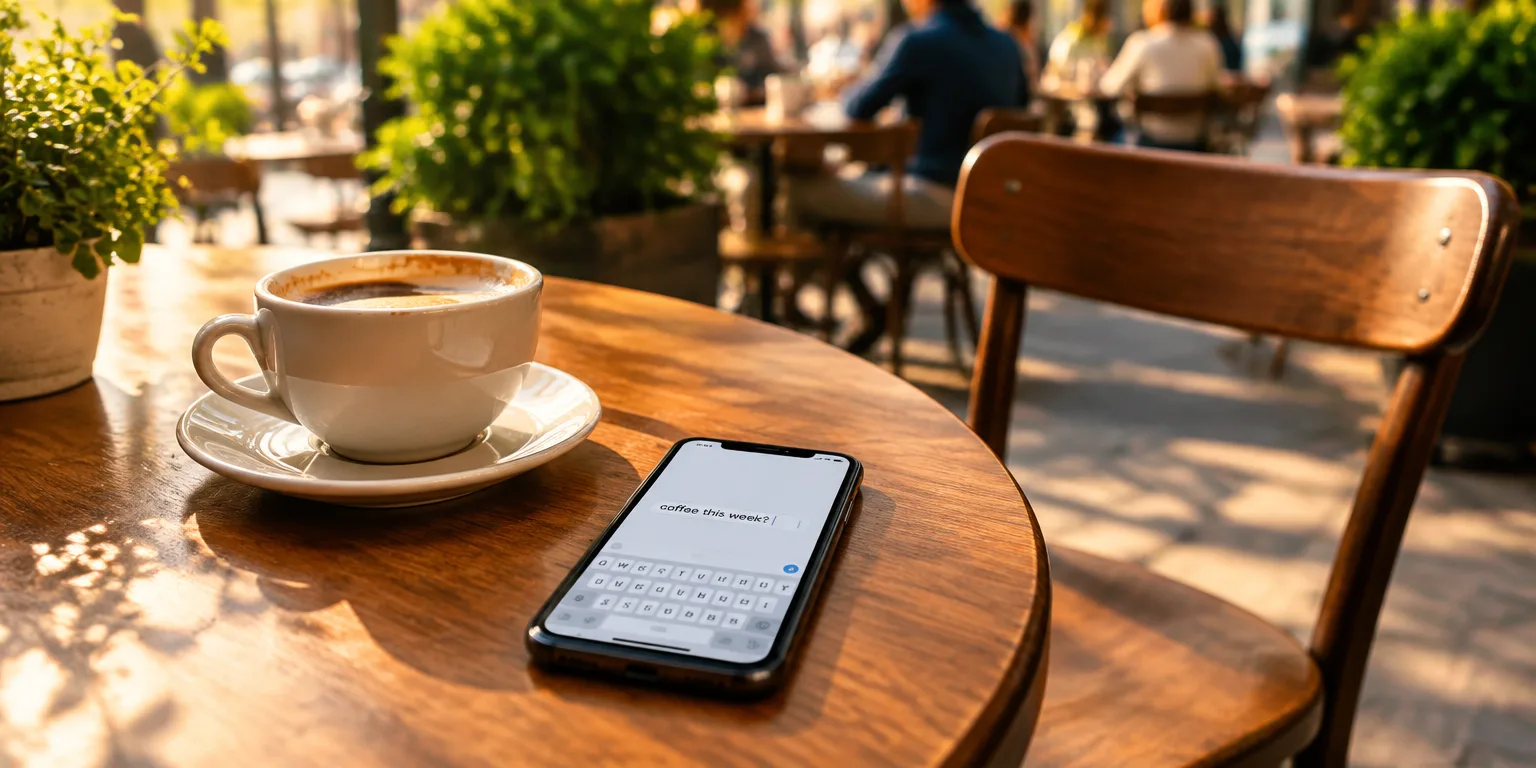
Her point was plain. People who want friends have to make the first move. She said, "Someone has to be the person who suggests coffee or says, do you want to grab dinner sometimes?" She added that you should be that person.
She said people often "wait for the other person to suggest something or to text or to reach out." Behind that waiting, she said, is fear of rejection and anxiety about meeting new people. She put it this way: "are they going to like me? Am I being overbearing? Am I being too much?"
She made the move concrete and small. If you meet someone at a run club, she said, say hello, ask how they found the club or what other workouts they do, then ask to exchange numbers and suggest coffee, dinner, or a call. If you connected with someone at a conference or networking event, send an email and propose a Zoom call or coffee. She said without that follow up, the connection often fizzles. People assume friendship will form on its own, she said, but it takes time, investment, and effort.
She said some invitations will be refused. A no does not mean you are bad or broken, she argued, only that you and the other person are not a match. That rejection redirects your time toward, in her words, "people who actually want to be in friendship with you too."
Questions people ask
What should I actually say when I reach out first?
Keep it short, specific, and tied to what you already share. Mention where you met, say you enjoyed talking, and propose one low pressure option, like coffee, a walk, or a 20 minute call, with two times to choose from.
How do I handle it if they say no or do not reply?
Treat a slow reply or a no as information about fit, not a verdict on you. Thank them, leave the door open once, and then put the same energy toward someone who answers, asks questions, and suggests the next time.