Mark Cuban Uses AI to Manage His Own Health, Down to a 3 A.M. Pill
He gets blood work every few months, tracks it with wearables, and checks it with medical AI before he sees a doctor.
 All-In with Chamath, Jason, Sacks & Friedberg · Mark Cuban on the AI Bubble: Who Actually Gets Wiped Out?
Mark Cuban, a businessman and investor, could not understand why he was having problems. His iron levels were low, so he was taking an iron supplement. He was also taking a prescription medication, and he was taking the two at the same time.
So he typed it all into Open Evidence, a medical artificial intelligence service for doctors that he had invested in. He entered everything he was taking, and everything he was eating, and waited for an answer.
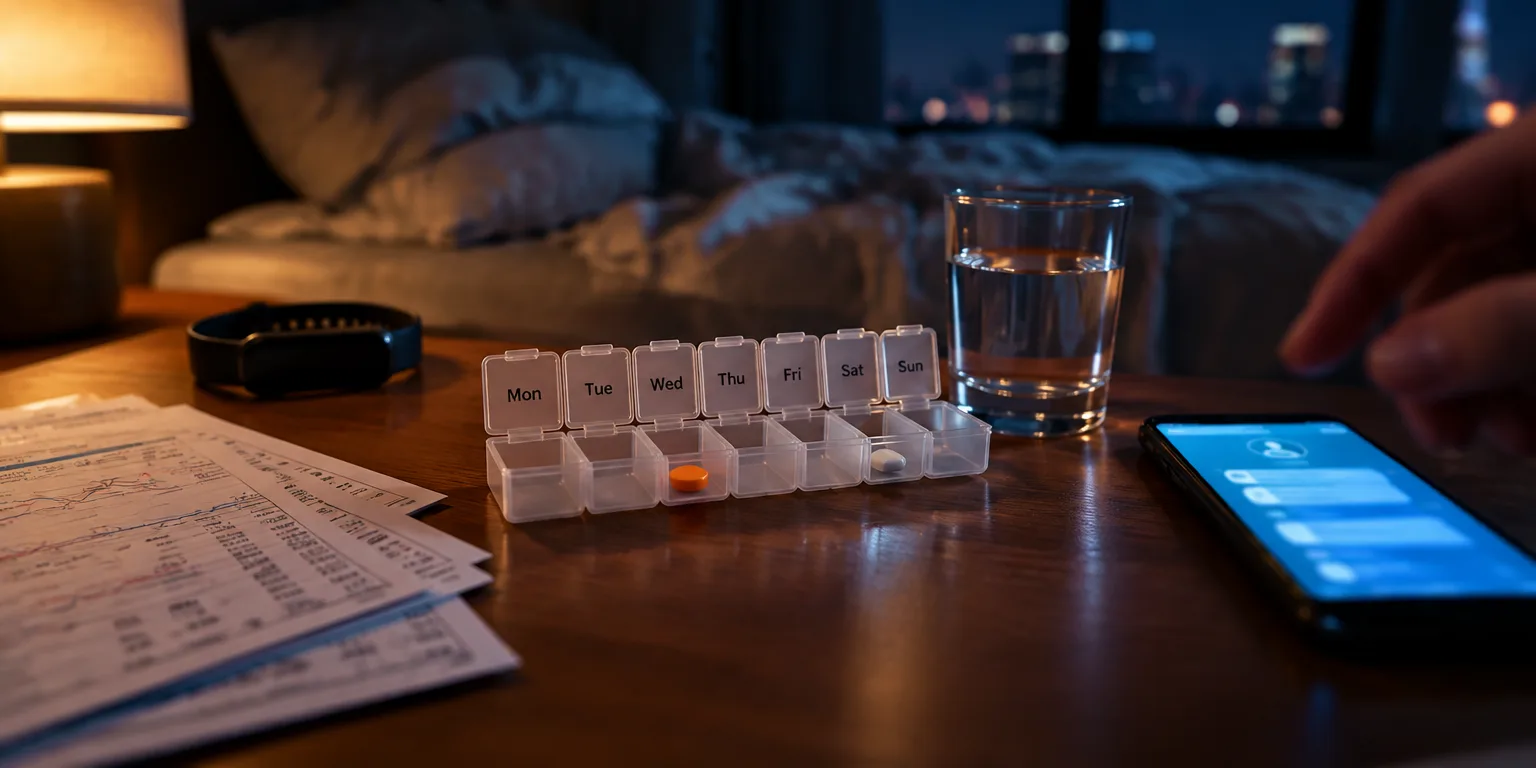
The answer was specific to the point of comedy. The software told him to stop taking the two together and to separate the doses. Take the medication "when you get up to pee at 3:00 in the morning," Cuban said.
Pharmacists often warn that iron can keep the body from absorbing another medicine properly, which is why they tell people to take iron apart from other pills.
It is a small fix, but it captures what health care has become for him: self directed, data driven, and run with AI in the middle. He gets his blood tested every three to six months, and he has done it for 10 years. He knows all his own trends, and he brings that history with him.
He was doing it before it was fashionable, before testing services like Function and Superpower existed. Years ago, he said, he used to get into arguments with doctors on social media about why they were going to need that kind of benchmark data. Search for Mark Cuban blood test on X, he said.
Now the rest of the toolkit has caught up. He pairs the labs with data from a Whoop band and an Apple Watch, the sleep, steps, heart rate, and other daily measures. Those combinations can offer early wins in self directed care with AI, so that when a patient goes to talk with a doctor, the history is already there.
Cuban does not think the software replaces doctors. His point is that no doctor can memorize everything published every day, so 95 percent of medicine is guessing. A doctor using these tools, with empathy, clear communication and direct observation of the patient, can be smarter. Cuban brings his blood test history and wearable data to the visit.
Questions people ask
Does it really matter when you take iron versus other pills?
Yes. Iron binds to many drugs in the gut and can keep the body from absorbing them fully, and some foods, coffee, tea, and calcium do the same. That is why pharmacists often tell people to take iron separately, usually on an empty stomach or at a different time of day from thyroid pills, antibiotics, and some other prescriptions.
What is Open Evidence?
Open Evidence is a free AI assistant built for clinicians that summarizes current medical literature and guidelines. Patients can also enter questions, but it is meant to support, not replace, professional judgment, and any change in timing or dose should be confirmed with a doctor or pharmacist.
Is getting blood tested every few months useful?
It can be, if the tests are standard, repeated in the same lab, and tracked over time. Single results often fall in a broad normal range, while trends can reveal slow changes in cholesterol, blood sugar, kidney function, or nutrient levels. The value depends on choosing sensible panels and reviewing them with a clinician rather than chasing every flag.