Mary Queen of Scots Was No Pawn. Her Own Coded Letters Prove She Plotted Against Elizabeth.
Letters found in France's national library show she schemed in cipher with the French ambassador.
 The Rest Is History · Francis Drake Stole Spain’s Gold. Elizabeth I Chose to Keep It
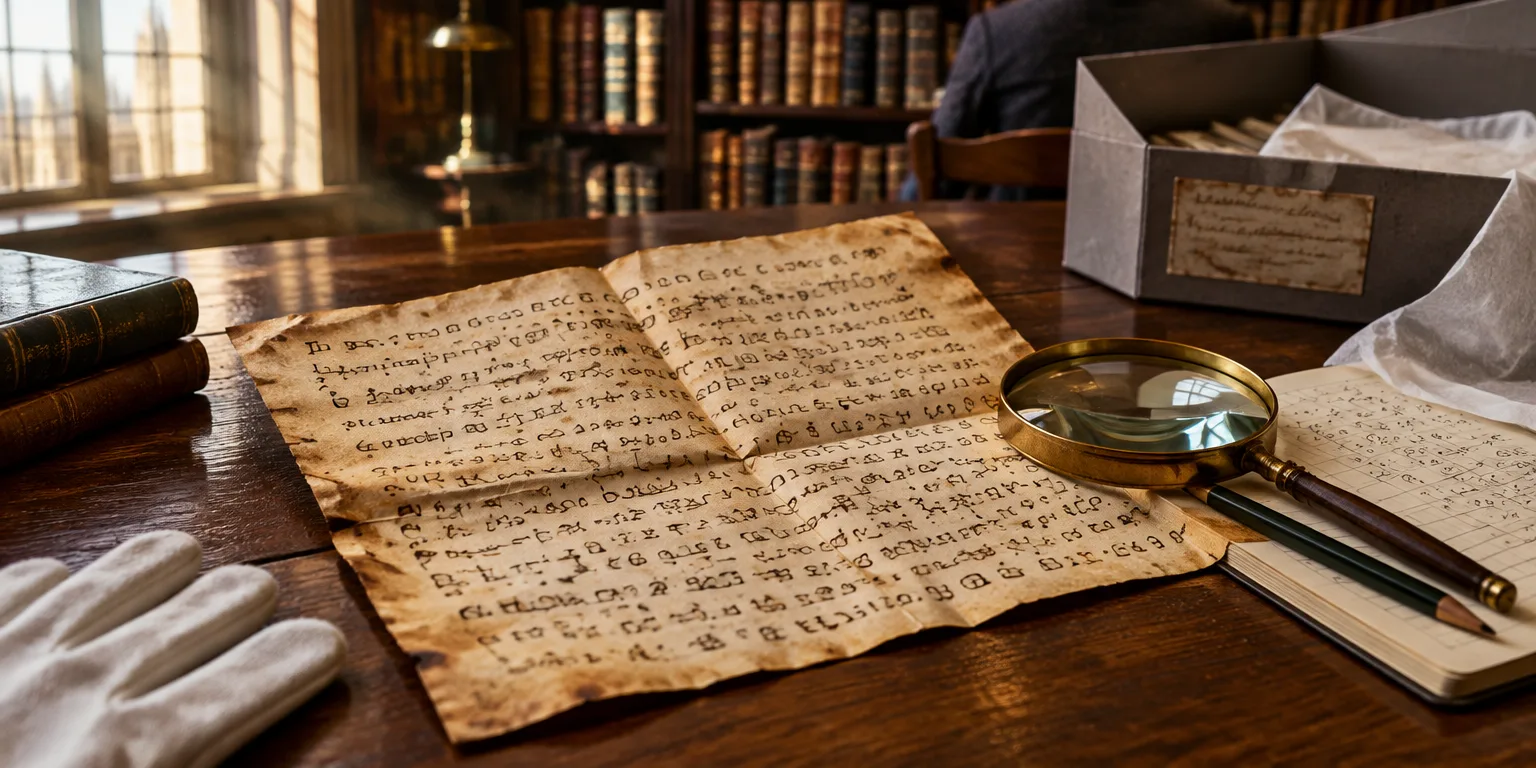
For centuries, historians argued over whether Mary Queen of Scots was framed. A cache of her coded letters, found in 2024 in France's national library, settles it. She was an active conspirator in a plot to overthrow Elizabeth I.
The letters were written in cipher to Michel de Castelnau, the French ambassador in London who had spent a decade smoothing relations after a massacre of Protestants in France. At the time, Mary, a Catholic queen held under house arrest in Yorkshire, was in secret contact through Francis Throckmorton, the go-between linking her to plotters in London and Paris. Their plan called for Catholic troops to invade England, depose Elizabeth, and install Mary as queen.
That ends the old defense that Mary was a passive pawn used by her cousin, the Duke of Guise, for his own ambitions. She understood the plot fully, and got stuck in.
Questions people ask
What exactly was the plot Mary was involved in?
The Throckmorton Plot of 1583 called for about 12,000 French troops to land in Lancashire, England's most Catholic region, with funds from the Duke of Guise, King Philip II of Spain, and the Pope. A second force would land in Sussex and join Catholic nobles. The invasion would topple the Protestant Elizabeth and put the Catholic Mary on the throne.
How were the lost letters found and decoded?
The roughly 50 letters had been misfiled for centuries under anonymous Italian correspondence. A team of codebreakers identified Mary's cipher, which used symbols for names and places, and decoded them by hand and with computers. The contents discuss smuggling coded messages, intelligence on England, and negotiations over the invasion.
What happened to Throckmorton and Mary afterward?
Throckmorton was arrested in November 1583 with an encoded letter, confessed under threat of torture, and was executed for treason in July 1584. Mary remained untouchable for a time because she was a sovereign queen and the evidence was legally shaky. She was executed three years later, in 1587, after a later plot, the Babington Plot, produced clearer proof against her.