McLaren Blamed Its Engine. A New Engine Showed the Team Was the Problem.
After a switch from Honda to Renault brought only a small improvement, chief Zak Brown replaced almost all of his leaders.
 Norges Bank Investment Management · The McLaren Turnaround | Zak Brown | Podcast | In Good Company
When Zak Brown, chief executive of McLaren Racing, took charge of the Formula 1 team at the end of 2016, he inherited a famous name in miserable shape. Sponsorship and results on the track were at a record low, fans were unhappy, and the workplace itself had turned toxic. What the team did have, he said, was a great brand, a great sport, and many of the same people who had been there for 20, 30, and 40 years.
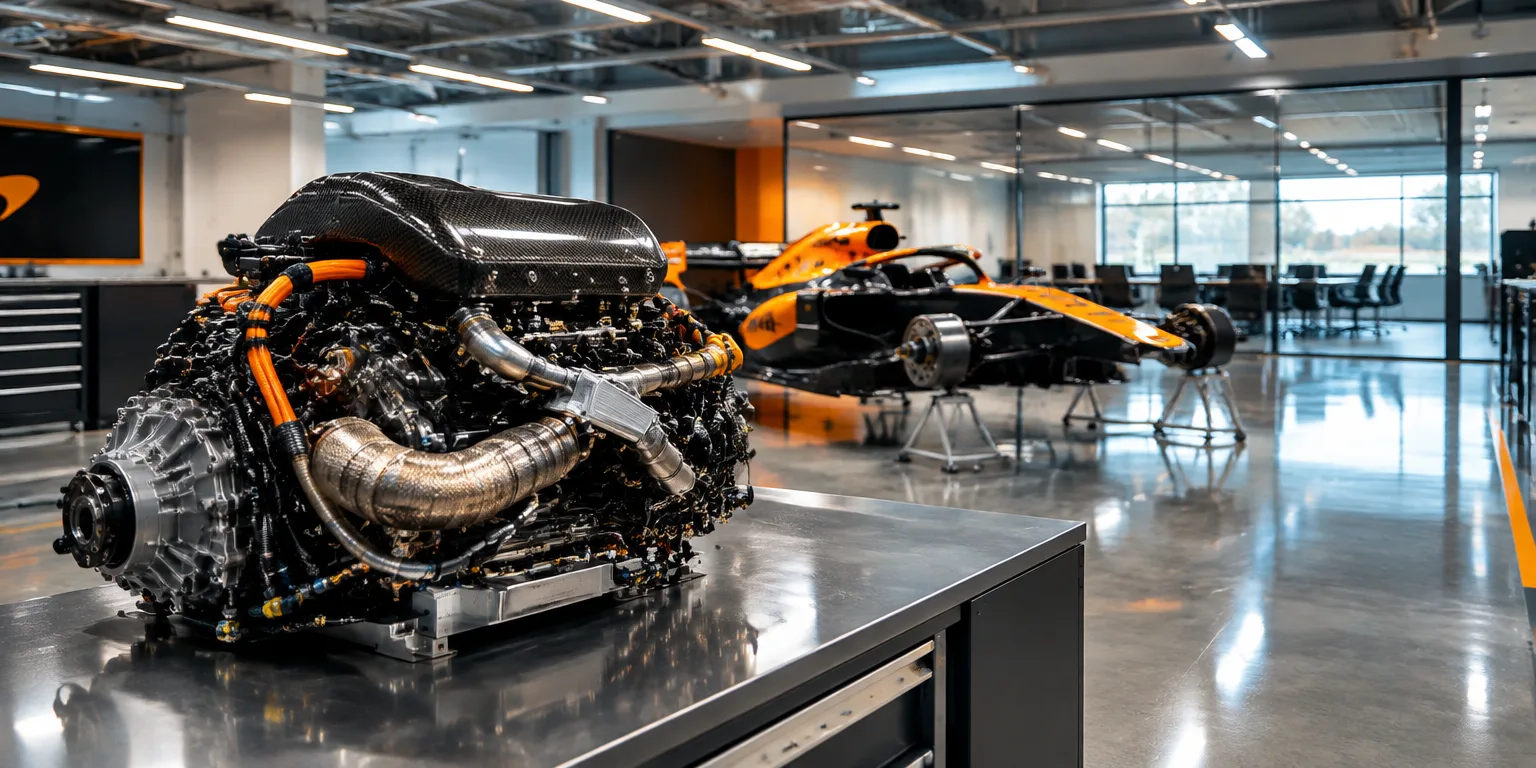
Inside the factory, the explanation for the losing was settled. It was the Honda engine. In Formula 1, where teams race cars they design themselves but often pair with an engine supplied by a carmaker, the motor gets much of the credit or blame for speed. Everyone at McLaren was convinced Honda was the reason the cars were slow.
This is a story about what happens when a comfortable excuse is taken away. For McLaren, swapping the engine and staying slow was the break the team needed, because it showed Brown that the failure was not in the hardware. It was inside his own organization of about 1,400 people.
At first, Brown followed the team's own view and kept the engine change as the fix. McLaren dropped Honda, put a Renault engine in the car, and waited for the turnaround. The team got a little bit better, but the losing went on.
The swap showed the engine was not the whole problem. As Brown put it, "Okay, well, now what are the excuses?" He has called it a great wakeup call. If the engine was not the problem, the problem had to be the people running the team, and how they worked together.
He started at the top. He replaced almost his entire leadership team, the roughly 10 people running finance, personnel, commercial deals, and the Formula 1 operation, to get them rowing in the same direction. All were new except one, Laura, the chief financial officer, whom he promoted. Some were people he had worked with before, and others were recruited from outside.
Brown said he did not come in planning to change his leadership team. He had come to learn why a great racing team was not working, and the first thing he learned was that he needed new leaders. He said it was not because the old ones were bad people. He said things were "kind of stale." The team needed "fresh blood" and "new energy," he said.
Questions people ask
Why do Formula 1 teams use engines made by someone else?
Designing a competitive hybrid race engine costs hundreds of millions of dollars and requires a large, specialized factory. So only four suppliers, Ferrari, Mercedes, Honda, and Renault, currently make them, and the other teams buy or partner for their supply. That makes the engine partner an easy place to assign blame when a car is slow.
Is it normal to replace almost a whole leadership team at once?
It is rare in stable companies, but common in turnarounds in sports and business. New owners or chief executives often conclude that the culture cannot change if the same group stays in charge. The risk is losing experience, which is why Brown kept some long-serving staff and promoted his finance chief.
What happened to Honda after McLaren dropped it?
Honda kept developing its Formula 1 engine and later partnered with Red Bull. After difficult years with McLaren, Honda-powered cars won driver and team titles with Red Bull in the 2020s. The comeback is often cited as evidence that an engine can look worse than it is in a struggling car.