Medieval peasants paid more for white bread to show status, not for nutrition
Oats were cheaper and more caloric, but peasants traded up to wheat when they could.
 Institute of Economic Affairs · How The Black Death Increased Worker's Wages: Medieval England's Economic Revolution | IEA Interview
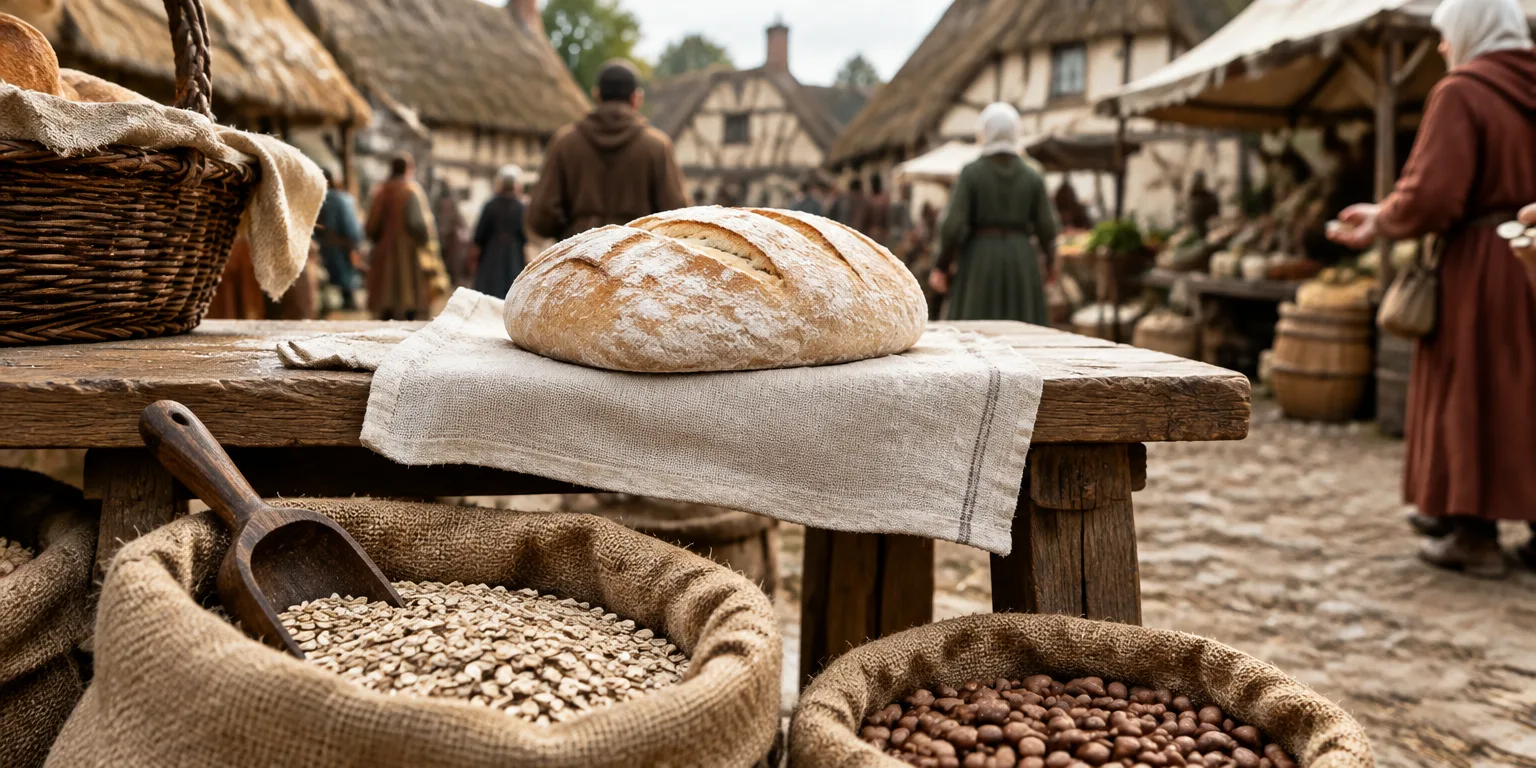
Poor English peasants in the 1340s, when a lot of people were up against the edge, still paid extra for wheat for white bread even though oats were cheaper and had more calories per unit. Dr. Jordan Clarage, a pre-industrial economic historian at the London School of Economics, says the choice was largely about status.
White bread was what people wanted, while beans were associated with animal feed, so there was a social capital element in eating wheat. When poorer peasants raised their standard of living, they traded up to the more desirable grain rather than buying more oats.
Clarage says it is the exact same phenomenon you see in developing economies today, where people shift to higher-status grains as incomes rise.
Questions people ask
Was white bread actually less nutritious than oat porridge?
Oats are generally richer in calories, fiber, and protein per pound than refined wheat flour, which loses bran and germ in milling. Medieval white bread looked and tasted refined, but whole oats would have delivered more energy for hard labor. That tradeoff is why the preference looks like a status choice, not a calorie-maximizing one.
Could most peasants even get wheat?
Many grew a mix of grains and bought and sold in local markets, since their plots were often too small for self-sufficiency. Wheat cost more than oats or barley, so poorer households ate more coarse grains and upgraded when earnings allowed. White loaves remained an aspiration more than an everyday staple.