Melting Ice Could Dilute the North Atlantic Until It Stops Sinking
The current has collapsed before, during the last ice age, and scientists disagree on whether warming would offset the lost heat.
 Kurzgesagt – In a Nutshell · The Gulf Stream Explained
Europe is warm for its latitude because the ocean delivers heat to it, and then gets rid of the cooled water by dropping it to the bottom of the sea.
Warm surface water drifts north from the tropics toward Greenland as the North Atlantic Current, part of the Gulf Stream system. Off Greenland it cools, and because it is salty, it becomes dense and heavy. That heavy water sinks, and the sinking pulls more warm water up behind it. The loop works like a heat pump, constantly bringing warmth north and sending cold water back south along the seafloor.
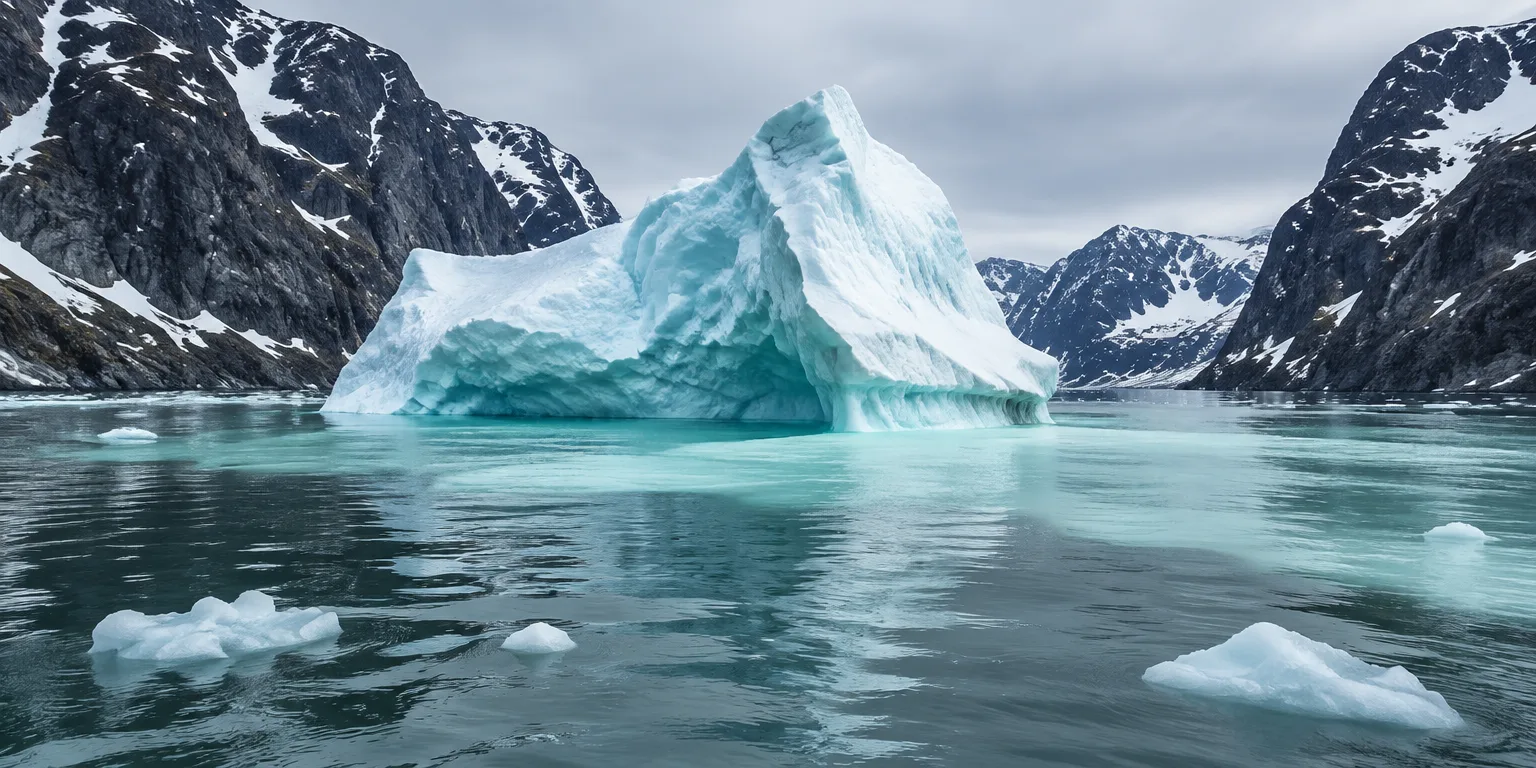
Melting polar ice could break the loop by adding huge amounts of fresh water to the sea off Greenland. Fresh water is less salty and less dense, so the northern water would become too light to plunge the way it does now. If the weakening went far enough, the sinking would stop and the heat pump would shut down with it.
It would not be the first shutdown. During the last ice age, an enormous surge of meltwater disabled the northward flow that carries warmth and helped bury northern lands in ice.
Scientists disagree about what happens next. Some climate experts think overall warming could compensate for the loss of ocean heat, but the current system of winds and currents has held roughly steady since that ice age ended. As the climate changes, that system will change in ways we do not yet understand.
Questions people ask
Why does salty water sink when fresh water does not?
Dissolved salt adds mass without adding much volume, so salty water is denser than fresh water at the same temperature. Cold water is also denser than warm water. Together, cold and salty water near Greenland becomes heavy enough to sink beneath lighter water.
If the planet is warming, how could Europe get colder?
Global warming raises average air temperatures, but much of western and northern Europe gets extra warmth from ocean water arriving from the tropics. If that delivery stopped, the region would lose a major local heat source. It could therefore cool relative to today, even while the planet as a whole warms.
Could warmer air make up for the lost ocean heat?
That is one possibility some climate experts raise. Higher air temperatures and changing winds could carry more heat north even if the ocean current weakens. Researchers still disagree on how large that compensation would be, and for which regions.