Mexico searched the Gulf for a missing island worth $1.5 trillion and found only deep water
If Bermeja were real, it would have pushed Mexico's drilling zone 55 nautical miles north into oil worth more than $1.5 trillion.
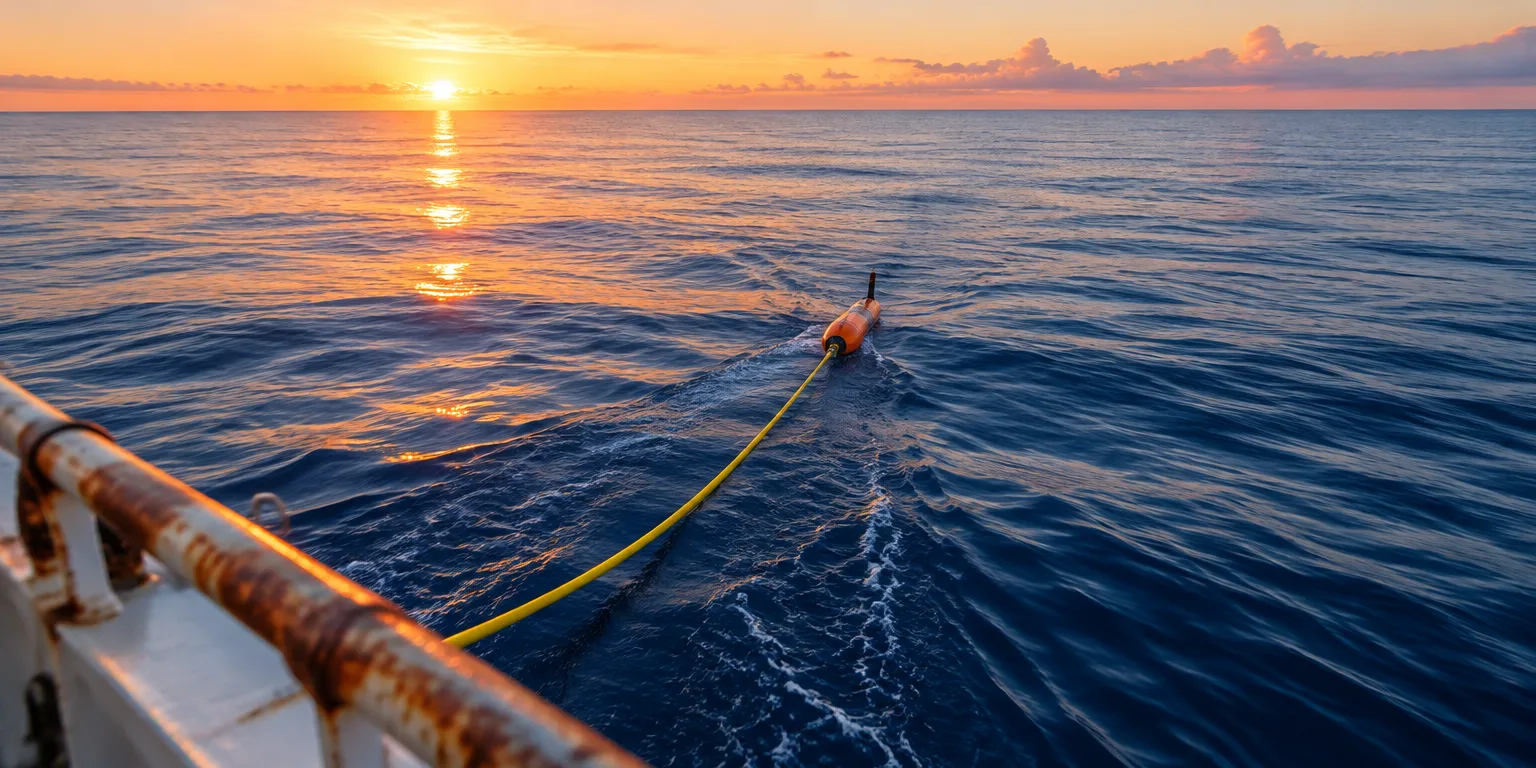
 Half as Interesting · The Missing Island Mexico Desperately Wants to Be Real
About 100 miles off Yucatan, out in the open Gulf of Mexico, there was supposed to be an island.
In the early 2000s, ships sent by Mexico's Parliament sailed to those coordinates to find it. Planes from the National Autonomous University of Mexico flew overhead for a look. Satellites scanned the surface, and sonar probed below it.
It was an expensive way to look for a place called Bermeja, which means reddish-brown. The island appears in centuries of records, yet no modern expedition has ever seen it.
The reason to look so hard was money. Under United Nations rules, a country gets the sole right to drill for oil and dig for other resources in waters stretching 200 nautical miles out from its coast, though other countries can still sail through. If Bermeja existed where old charts said it did, it would have been Mexico's northernmost island in the Gulf, and pushed Mexico's zone about 55 nautical miles farther north into a disputed triangle.
That triangle was thought to hold about 22.5 billion barrels of oil, worth more than $1.5 trillion at today's prices. It was being negotiated at the time, as the United States and Mexico worked out who would get to drill where in the Gulf.
The searchers found nothing above the water or below it.
There was no low sandbar that might once have stood higher and later worn away, and no sign in the geologic record of a landslide or shift in the seafloor that could have swallowed the island, only deep water where land should have been.
After repeated expeditions came back empty, Mexican officials decided the search was too expensive to continue. No island was found, and no scar was found to show where one had been.
The mystery remains unsolved, along with the oil that would have come with the answer.
Questions people ask
What exactly does an exclusive economic zone let a country do?
A country can claim resources within 200 nautical miles of its coast. That includes oil, gas, fish, and the right to build structures, but it does not stop foreign ships from passing through.
Would any tiny speck of land have given Mexico all that oil?
It depends on what the land can do. A true island that can support a settled community gets the full 200-nautical-mile zone. A bare rock gets a 12-nautical-mile territorial sea but no 200-mile zone, and a patch that disappears at high tide gets nothing.
How far back do the records of Bermeja go?
The earliest known listing is from 1540, in a Spanish catalog of islands that described Bermeja as reddish and about 80 square kilometers, with sailing records noting trees. No one appears to have ever landed and carefully mapped it.