Mobsters Threaten in Code So You Get It and Courts Cannot Prove It
The message is pitched to be obvious to the target but too vague for a conviction.
 Hidden Brain · The Things We Don't Say
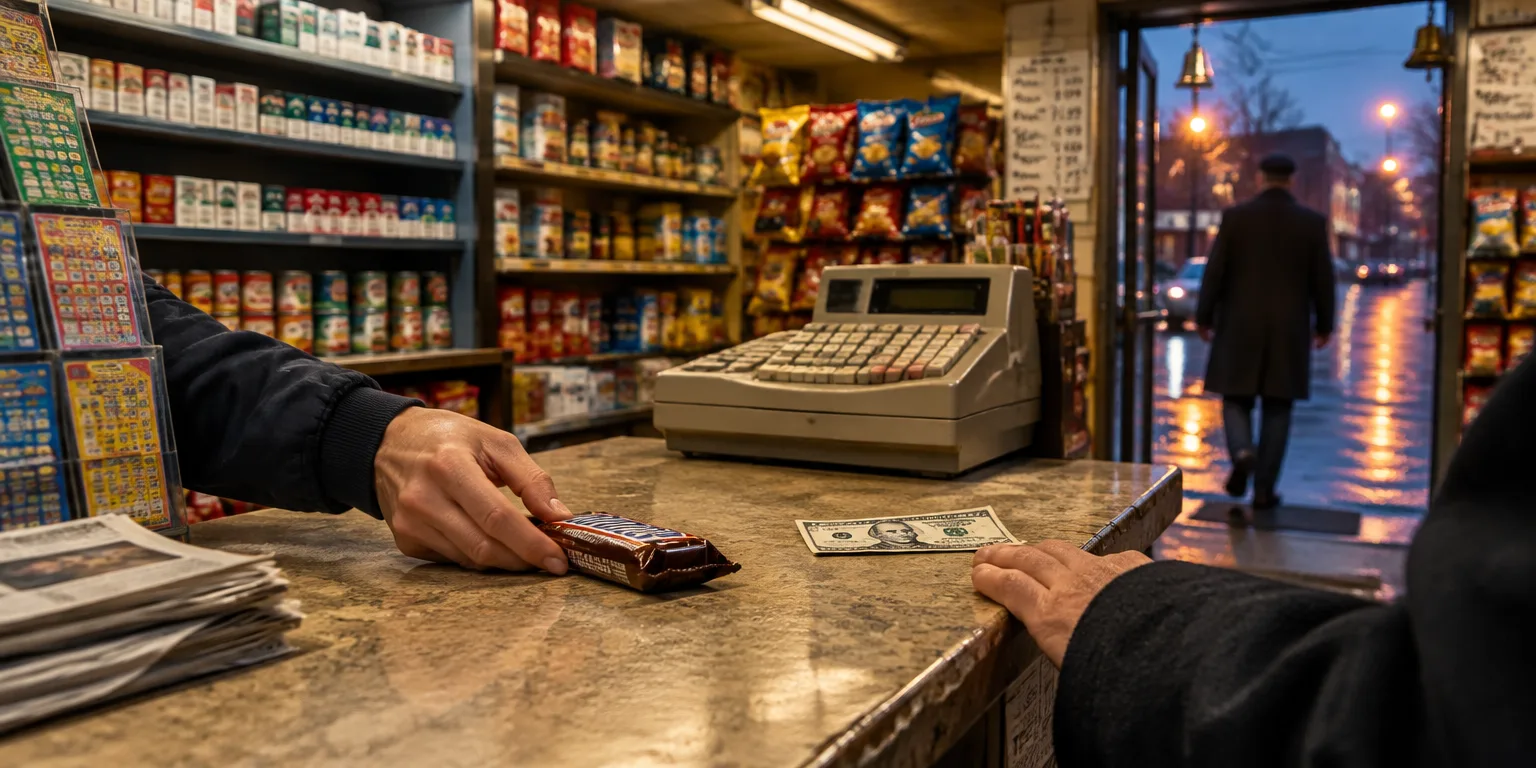
In a corner store, a mobster runs into an old acquaintance named Danny, pays for his candy bar, and tells him how glad everyone is that a hardworking family man like him is on the jury in the Junior Soprano trial. He praises Danny for doing his civic duty and says he knows Danny will do the right thing.
Steven Pinker, a Harvard psychologist who studies language, calls it a textbook veiled threat. What the listener hears is clear: vote to convict, and we will hurt your family. What a prosecutor could prove is not enough for a conviction, because on paper the mobster was just wishing an old acquaintance well.
That gap is the whole trick. Pinker says an indirect threat or bribe has to work at two different levels of proof at once. It must be obvious enough that the target gets the message in normal conversation, but vague enough that it cannot meet the much higher standard used in court, proof beyond a reasonable doubt.
A driver stopped by police faces the same choice. Saying, "Here is $100, let us make this go away," is unmistakable and chargeable. But asking, "Is there some way we can get this resolved without a lot of paperwork," might send much the same offer while leaving room to claim innocence if the officer turns out to be honest.
The writer Bruce Feiler tested the softer version when a magazine assigned him to try to buy his way to better tables at busy Manhattan restaurants. Dreading shouts of, "How dare you insult me," he never named a price for a table. He held a $20 bill where it could be seen without looking at it, looked the host in the eye, and said, "I was wondering if you had a cancellation," or, "This is a really important night for me." Pinker remarked of those attempts that "it worked every time."
Pinker says the fear was about breaking the unspoken rules that cement a social relationship, a breach that brings embarrassment when it is accidental and outrage when it is deliberate. A maitre d' in finery runs his dining room like a small kingdom, and a blunt payoff treats him like a sales clerk. Put as a hint, the bribe avoids casting one man as superior to the other and lets both save face, which is why Pinker argues the blunt offer might have failed where the hint succeeded.
Questions people ask
Can prosecutors ever use a veiled threat like the candy bar scene in court?
Yes. American law generally requires proof that the speaker intended a threat and that a reasonable person would understand it that way. Vague well wishes, praise for civic duty, and talk about family are hard to turn into a criminal threat without more explicit language or context.
Is hinting at a bribe to a police officer still illegal?
It can be. Offering money or gifts to a public official to influence an official act can count as bribery even if phrased politely. The indirect wording makes it harder to prove intent, which is why police stings and recordings often focus on showing both sides understood the exchange.
What do linguists call this kind of hinting?
Linguists call it implicature, meaning the speaker implies something without saying it and relies on context to be understood. Plausible deniability is the strategic benefit: the speaker can later insist on the innocent, literal meaning if challenged.