More people have died of 9/11 illnesses than died on 9/11
Toxic dust sickened responders and neighbors, and the toll is still growing nearly 25 years later.
 Fox News Rewind: 9/11 · EP 8 | 25 Years Later - Live from the 9/11 Museum
More people have now died from illnesses tied to Sept. 11, 2001, than were killed on the day itself. That means the attacks caused far more than 3,000 deaths, said Elizabeth Hillman, president of the 9/11 Museum.
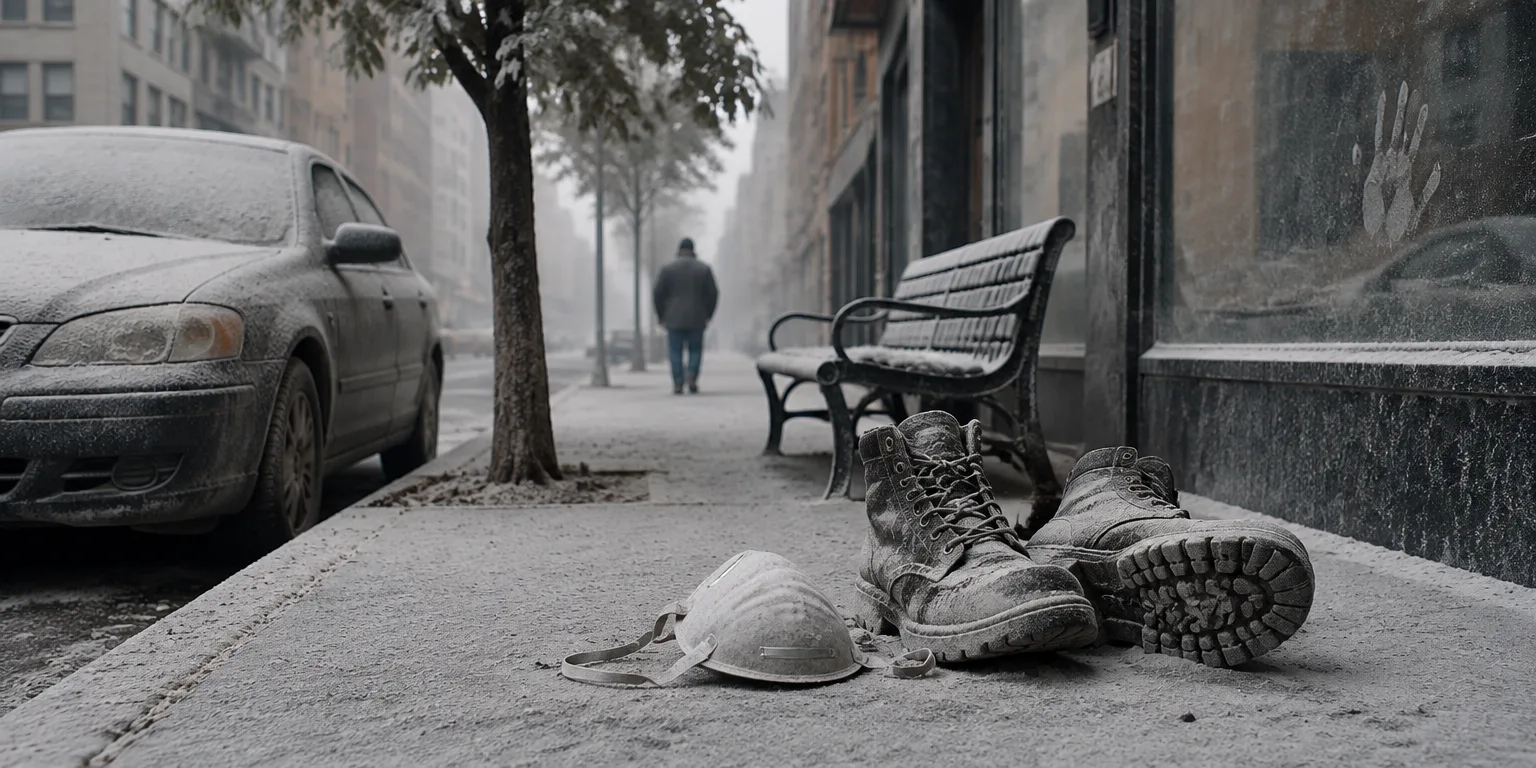
The sickness came from the thick, toxic dust that hung over Lower Manhattan after the towers fell. It struck firefighters and rescue workers who rushed in, plus office workers and residents who simply breathed nearby, and helpers at the Pentagon and in Shanksville, Pennsylvania.
Veteran journalist Eric Shawn, who said he spent weeks reporting in the dust downtown, said about 63,000 have now been diagnosed with cancers amid the wider toll of 9/11-related illnesses. At least 400,000 people were exposed, and about 190,000 are enrolled in the federal World Trade Center health program. Someone Shawn knew who developed kidney cancer after breathing the dust and died last year said, "I was killed by the terrorists."
Questions people ask
What kinds of illnesses are linked to 9/11 exposure?
The most tracked conditions are cancers, especially skin, prostate, breast, thyroid, and blood cancers, plus asthma, chronic sinus problems, acid reflux from inhaled dust, and mental health conditions like PTSD, anxiety, and depression. The World Trade Center Health Program covers more than 80 cancers and many respiratory, digestive, and mental health disorders. Coverage requires documented exposure in the New York, Pentagon, or Shanksville areas and a diagnosis that meets federal criteria.
What does the World Trade Center Health Program do?
It is a federal program that provides free medical monitoring and treatment for 9/11 responders, survivors who lived or worked nearby, and responders at the Pentagon and Shanksville. Members get annual checkups, cancer screening, and care for certified conditions at clinics around the country. It was created by the James Zadroga 9/11 Health and Compensation Act of 2010 and has been extended through 2090.
Why was the dust so dangerous?
When the towers collapsed, they pulverized concrete, glass, asbestos, lead, mercury, dioxins, jet fuel, and burning plastics and electronics into a highly alkaline powder. The particles were small enough to lodge deep in lungs and sinuses, and fires at Ground Zero burned for months, adding smoke and fumes. People who arrived first or stayed longest, without strong respirators, had the heaviest exposure.