More Protein in Frozen Meals Means More Calories and Bulk
Trials in Conagra's test kitchen show how added protein quickly uses up calories and space.
 The Journal. · How Big Food Is Navigating the GLP-1 Era
In an industrial kitchen in Omaha, Nebraska, with huge stainless steel appliances and chefs in aprons, a group of executives gathered for a taste test. The company was Conagra, the maker of Slim Jims and Hungry-Man dinners, and the chefs handed them a microwaved bowl of eggs, sausage, and potatoes.
The executives poured a thick, bright-orange cheese sauce onto the dish. Then, before taking a bite, they paused to ask themselves if the bowl was satisfying, and how it would make a shopper in the frozen aisle feel.
The tasting shows a larger experiment underway. Chefs at Conagra and other large food companies are trying to add more protein to frozen meals to appeal to people taking GLP-1 weight-loss drugs, and the work keeps running into the limits of calories and size.
In these trials, added protein brought more calories and bulk. One food scientist told reporter Amira McKee, who visited the kitchen last month: “We could make a pizza with 120 grams of protein, but it would have your daily calorie limit, and you would also have to take a nap after.” Protein sits heavy and tends to bring more calories with it.
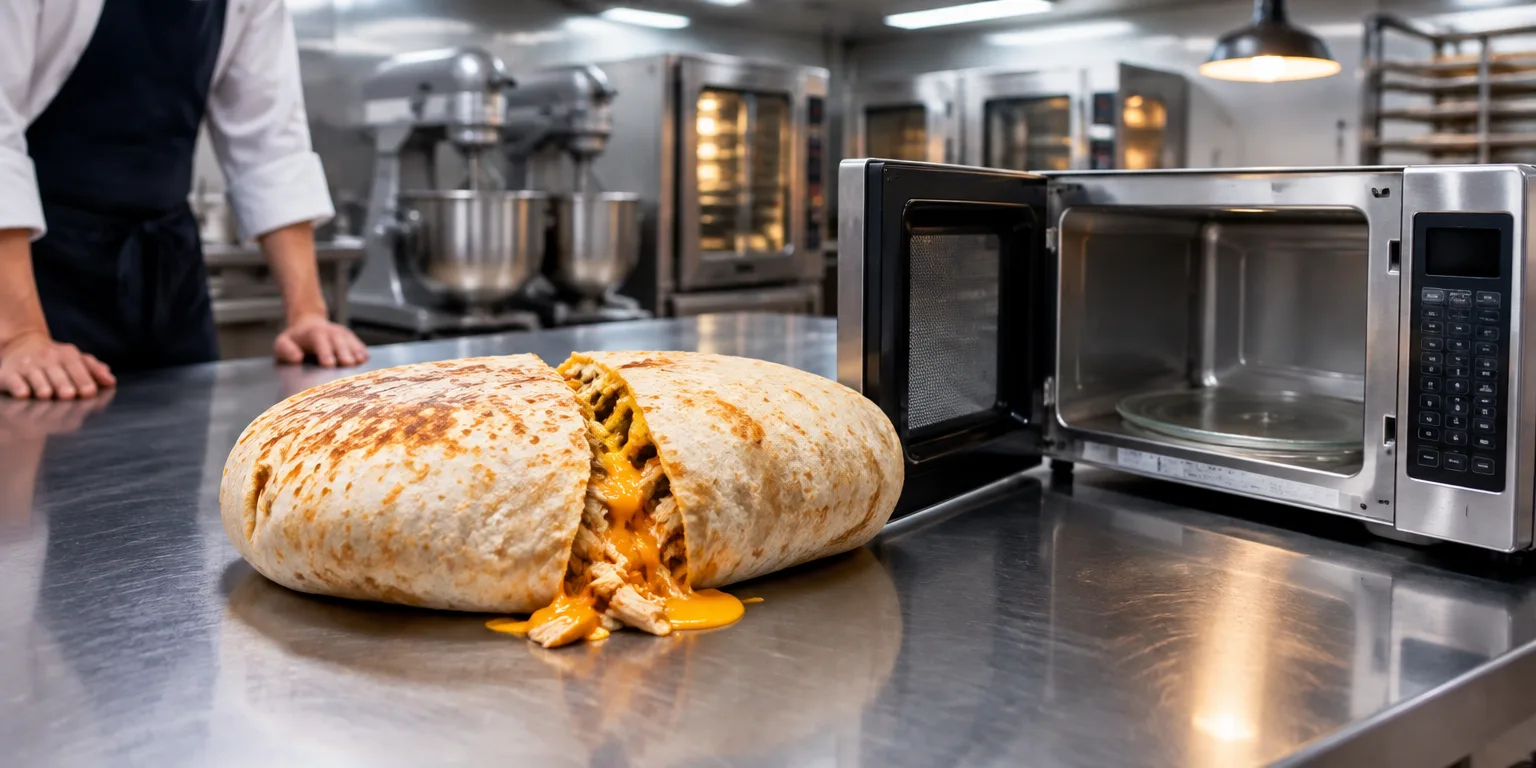
Chefs told McKee about another trial that never left the kitchen. They built a prototype burrito packing 40 grams of protein, but they scrapped it because they could not fit that much filling into a tortilla sized for an American microwave.
According to the company, one recipe saw some success. The item was Buffalo mac and cheese containing 40 grams of protein, with packaging that played up the protein content. McKee tasted it during her visit. She said it felt rich, with a lot of chicken, and that it was a little higher in calories and larger in portion, deliberately, for people on GLP-1 drugs. She said it tasted good, and felt pretty decadent.
Questions people ask
Why do food companies want more protein for people taking weight-loss drugs?
People eating much less can lose muscle along with fat, and protein helps preserve muscle and helps people feel full. Because GLP-1 users get full on smaller portions, food makers want each small meal to carry more protein than a conventional frozen dinner.
Why does adding protein also add so many calories?
Protein in frozen meals often comes from cheese, meat, and beans, which carry fat and calories along with protein. That is why adding a lot of chicken or cheese can use up a day's calories even as it raises the protein number.
Why can't makers just stuff more chicken or cheese into the same burrito or pizza?
Protein fillings add bulk, weight, and water, which need a bigger tortilla, crust, or tray. A larger product may then heat unevenly or no longer fit in a standard microwave, which is what happened with the prototype burrito.