Morning Commuters Did Not Want a Better Milkshake, They Wanted a Way Through the Drive
The drink's real rivals were bananas and bagels, not other shakes, and the job changed by afternoon.
 Talks at Google · Where Does Growth Come From? | Clayton Christensen | Talks at Google
For 18 hours, a researcher stood inside a McDonald's and watched milkshakes go out the door.
He wrote down the time of each sale, what the buyer was wearing, whether the buyer was alone, what else was ordered, and whether the shake was drunk in the restaurant or carried out. About half were sold before 8:30 in the morning, and those morning buyers almost always bought only the shake, were alone, and got in a car and drove away.
McDonald's, a sophisticated marketer with data on every dimension of its business, had been trying to sell more milkshakes. It had brought in the kind of customers who fit the demographic profile of a typical milkshake buyer and asked them, in conference rooms, how to make the drink better. People gave clear advice. The company improved the shake on those dimensions, said Clayton Christensen, 64, a professor who studies management and innovation, and it had no impact on sales whatsoever.
The problem, Christensen argued, was the question. Business schools teach marketers to understand the customer, but traits like age, height, and family size do not cause anyone to buy anything. What causes a purchase, in his view, is a job that arises in daily life. When the job appears, people look around for something to hire to get it done.
So his team went back the next day and waited outside the restaurant. As morning buyers emerged, the researchers asked them, in plain language, what job they had been trying to do when they hired the milkshake. They also asked what they had hired the last time they had the same job but did not come to McDonald's.
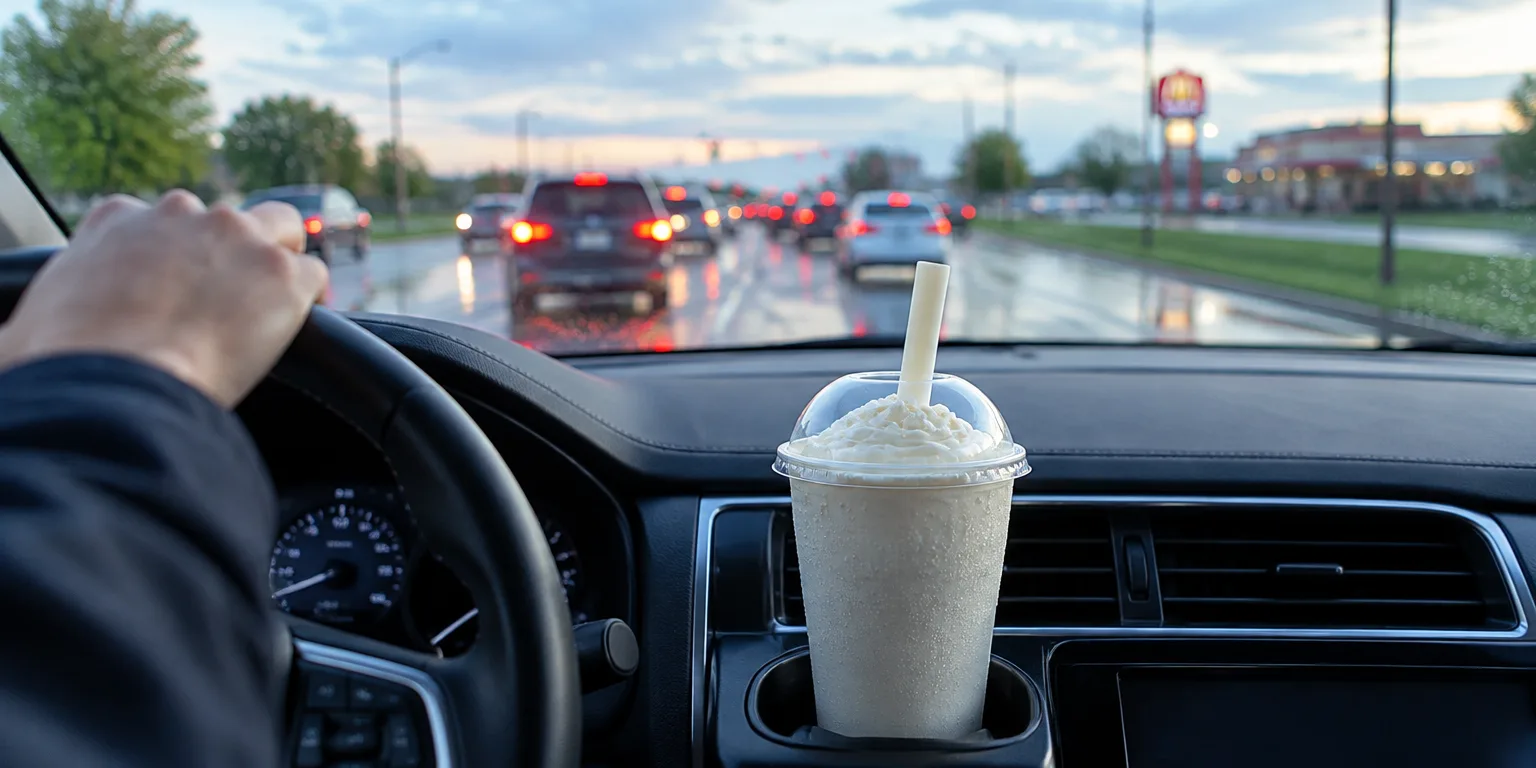
Everyone had the same job. They faced a long, dull commute to work. As one morning driver put it, "one hand had to be on the wheel," and he had another hand with nothing to do with it. One driver said he was not hungry yet, but he knew he would be hungry by 10 a.m. They needed something that would occupy them and sit heavily enough to last until midmorning.
A banana, one driver said, "They're gone in less than a minute," and he was hungry by 7:30. Donuts coated clothes and fingers and left goo on the steering wheel. Bagels were dry and tasteless, and spreading cream cheese meant steering with the knees. If the phone rang, one man said, he had three problems and two hands. A Snickers bar left another man feeling so guilty that he never hired one again.
The milkshake, by contrast, was so viscous that it took 23 minutes to pull through a thin straw. Its ingredients did not matter to the buyers. It fit the cup holder, kept one hand busy for most of the commute, and stayed in the stomach all morning. Its real competitors were not other milkshakes, but bananas, donuts, bagels, coffee, and candy.
The same drink had a different job in the afternoon. Then, parents hired it to create a sweet, uncluttered time to sit with a child and talk about whatever was on the child's mind. Understanding which job was being hired at which hour, Christensen said, is what lets a company predict what customers will actually buy.
Questions people ask
What do companies do with this milkshake lesson today?
The idea is now usually called jobs to be done. Product teams interview customers about a specific struggle, what else they tried, and what tradeoffs mattered, then design for that progress rather than for an age group or income bracket.
Who does McDonald's compete with for that morning driver?
They often do not compete directly. In the morning, McDonald's was competing with anything that keeps a driver occupied and full, including coffee, fruit, and breakfast bars. In the afternoon, it was competing with other ways a parent and child spend time together.
Did this mean McDonald's should have made shakes even thicker?
Thicker can be better if the job is to last a commute, while thinner can be better if the job is refreshment or speed for children. The right answer depends on which job the seller wants to win, which is why the same product can need two different designs.