Most of the world chose America over Cuba once Washington made the choice clear
What started as a 1960 response to seized refineries became a law that still penalizes third countries for dealing with Havana.
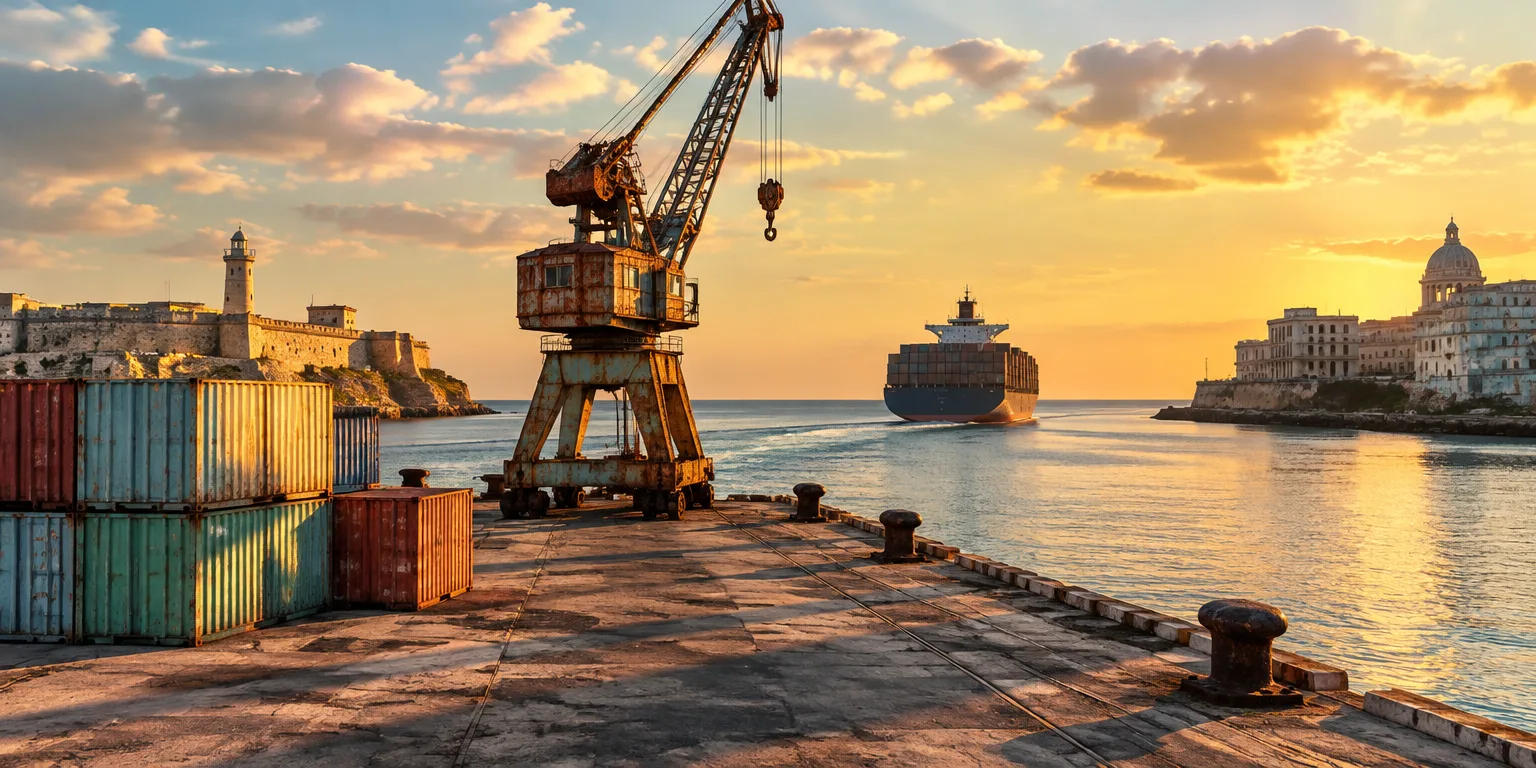
 Economics Explained · Cuba Was Barely Holding On… And Then The Oil Ran Out
A company in France or Japan is free under its own laws to sell to Cuba, but most stay away. Washington framed the decision in stark terms: keep trading with Cuba, or keep access to the American market.
The restrictions trace to 1960, when Cuba seized refineries owned by Americans and President Dwight Eisenhower answered with a trade ban. President John F. Kennedy tightened that ban two years later after the failed Bay of Pigs landing and the Cuban missile crisis. What began as presidential action grew into the longest running trade cutoff of the modern era. Losing normal commerce with a large and nearby economy meant higher costs to buy and sell elsewhere, and less foreign money coming in. Havana puts the total damage at about $135 billion.
Moscow softened the pain for decades. Through much of the superpower standoff, Soviet aid equaled about one fifth of Cuban output. That help disappeared quickly after the Soviet breakup in 1991.
Other former foes later rejoined world commerce. Vietnam repaired ties with the United States and became a fast growing economy in Southeast Asia, and China turned into a global manufacturing center. Cuba did not follow. Its leaders held to preserving their socialist order, and Cuban Americans built major electoral clout in Florida, a swing state that has tipped several White House races. Opposing the ban looked like inviting defeat there, and defeat there can decide a national election.
Congress then wrote the restrictions into statute and pushed them past American shores, with possible punishment for overseas firms that dealt with Havana. The signal to executives elsewhere was plain: keep the United States as a customer, or gamble on a poor and isolated Cuba. Most picked the United States.
The embargo added to Cuba's problems, but it does not explain everything on its own. The argument here is that, without the competition that comes with open trade, government-run business kept growing while real market changes were repeatedly put off. At the same time, Havana has long blamed American policy for hardship that was also partly homegrown.
Questions people ask
Can an American president just end the embargo?
Not fully. Early restrictions were imposed by presidential order, but Congress later wrote the embargo into legislation, most notably in the Helms-Burton Act of 1996. A president can ease enforcement and allow more travel, food sales, and remittances, as Barack Obama did, but ending the core embargo requires Congress.
Do any foreign companies still do business in Cuba?
Yes, but carefully and in limited sectors. Companies from Canada, Spain, China, and other countries operate hotels, sell some goods, and invest in areas like energy and mining. Many larger multinationals stay away because fines, loss of access to American financing, and being sued in American courts over Cuban property outweigh the small Cuban market.
Why did the Soviet Union subsidize Cuba so heavily?
Cuba was a close ideological ally and a strategic foothold near the United States during the Cold War. Moscow bought Cuban sugar at above-market prices and supplied oil at below-market prices, while also providing military and economic aid. The arrangement kept Cuba afloat and kept it politically aligned with Moscow.