Most Untrained Minds Cannot Pay Attention for 30 Seconds
Dr. Sam Harris bets most untrained minds will wander within half a minute, and silent retreats reveal even more drift.

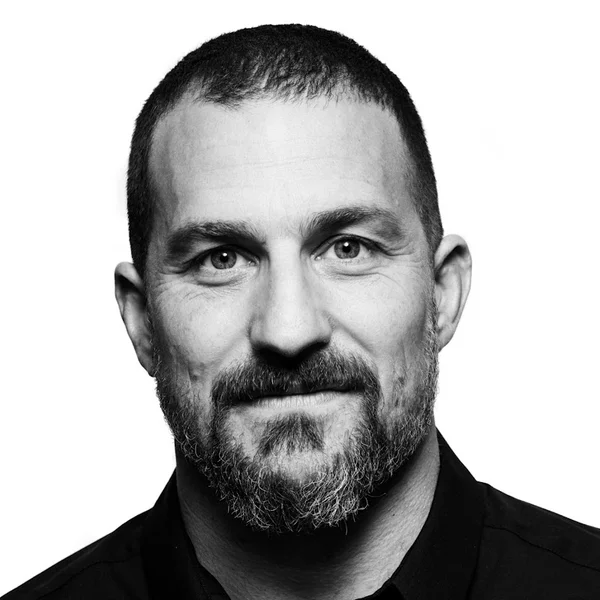 Andrew Huberman · Essentials: Using Meditation to Focus, View Consciousness & Expand Your Mind | Dr. Sam Harris
Dr. Sam Harris, discussing meditation, uses a short test to show how shaky untrained focus is. His bet is that most people without much training cannot follow one thing for half a minute without drifting into inner talk.
The exercise takes a stopwatch and any simple target, such as the breath, a hand, or a clock. Harris invites people to pick one and keep attention there for the next half minute. The rule, in his words, is to stay with "any object without getting lost in thought, without getting momentarily distracted by this conversation you're having with yourself."
That challenge comes with a qualifier. Harris limits it to people without much training, apart from the rare person who happens to be unusually skilled at attention. For almost everyone else, he argues, holding on for the full time will fail, "if your life depended on it," and even if "the fate of civilization depended on it."
The first thing newcomers find, in his account, is that the chatter is hard to see as chatter. It sneaks up from behind and feels like the thinker himself, so attention gets pulled inside the thought instead of watching it pass.
For a larger view of that habit, Harris points to people on retreats. They spend about 10 days, roughly 12 hours each day in silence, with little to do except sit with the breath, notice ordinary noises and body feelings, and walk slowly while feeling each step.
Early on, many think they stayed with the breath for minutes at a stretch. After days of practice, their estimate shrinks. Harris says students will feel by day 10, "Now I can't pay attention to anything for more than five seconds." The change is not worse focus, but clearer sight of how often the mind wanders.
Mindfulness here means noticing an idea simply as an event in awareness, rather than being carried away by it. To try it, set the timer and take the breath as your object.
Questions people ask
If I fail the 30 second test, am I bad at meditation?
My view, not Harris's: failing is common and tells you something. A slip shows how quickly thinking can feel like you, rather than something you observe. Each time you notice you drifted and return to the breath, you practice that noticing.
What should I pay attention to as a beginner?
Start with something plain and always available, like the feeling of breathing or the sensations of walking. Harris has beginners sit with the breath, then add other senses, then try slow walking while feeling each part of the step.
Do I need a 10 day silent retreat to get better at focusing?
Harris does not say a retreat is required. He uses the example of about 10 days at roughly 12 hours a day to show how sustained practice reveals distraction.