Mount Kilimanjaro still has snow, a decade after it was supposed to be gone
In 2006, the prediction was no snow by 2016. In 2026, the mountaintop still holds snow, glaciers, and ice.
 Washington Examiner · An inconvenient fact-check of Al Gore’s Inconvenient Truth on its 20th anniversary
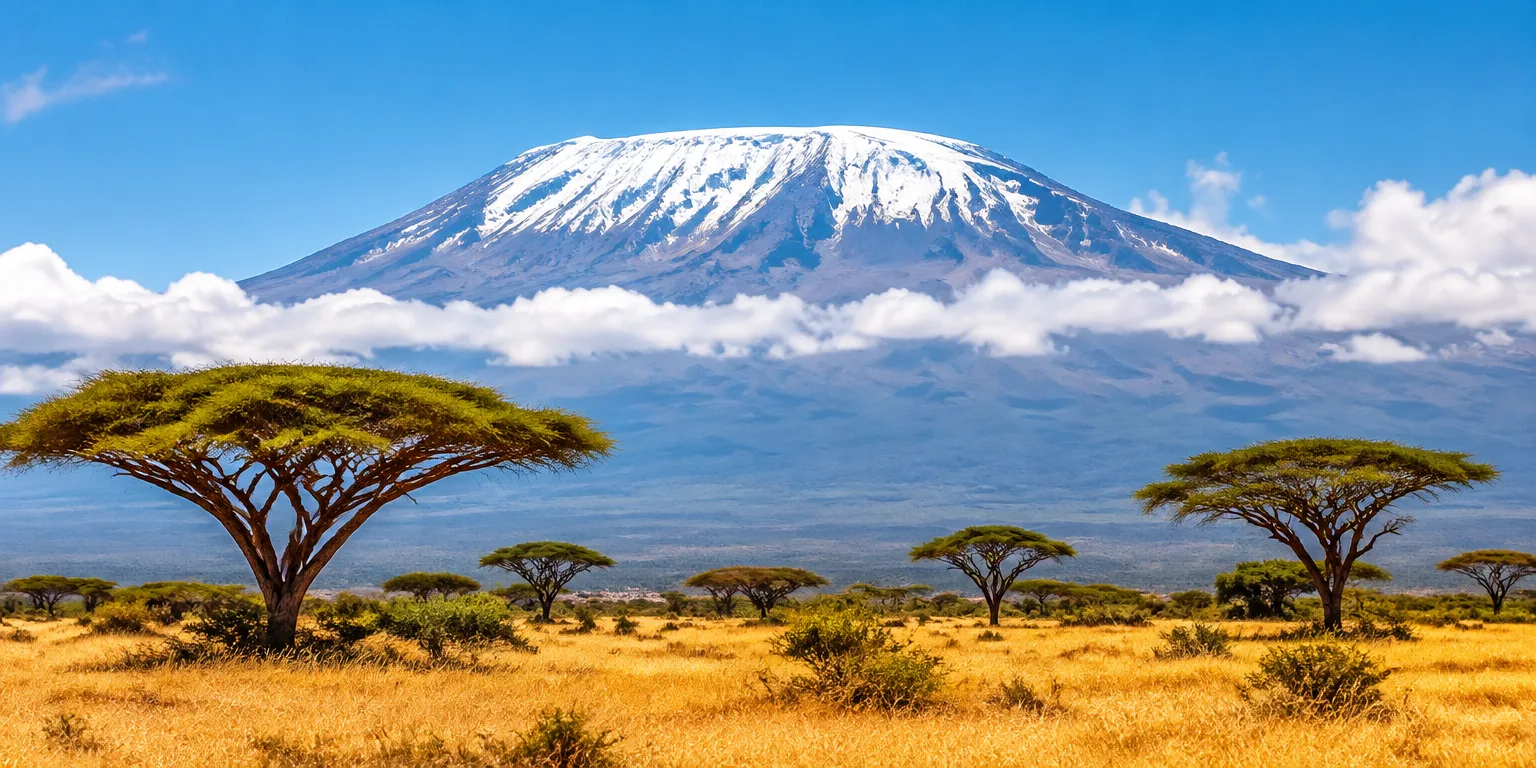
Mount Kilimanjaro still has snow, 10 years after it was supposed to have none at all.
In 2006, former Vice President Al Gore released An Inconvenient Truth. In the film, he said Kilimanjaro, a mountain in Tanzania near the equator, would have no snow left by 2016.
Today, the mountaintop again has snow. Despite summer in Tanzania and tropical heat below, it holds snow and substantial ice.
That failed date does not mean the ice never changed. Over the longer term, the ice fields have shrunk substantially since the early 1900s, with shifts in moisture and sunlight playing a role along with temperature. The point is that a real decline was presented as a firm deadline for total disappearance, and the deadline passed.
Questions people ask
Where exactly is Mount Kilimanjaro?
Mount Kilimanjaro is a dormant volcano in northeastern Tanzania and, at about 19,300 feet, the highest mountain in Africa. It sits near the equator, so the plains below can be hot savanna while the summit is freezing. Climbers pass through rainforest, alpine desert, and glaciers on the way up.
How can snow survive so close to the equator?
Temperature falls with altitude, so a very tall mountain can stay below freezing at the top even in the tropics. Kilimanjaro rises more than 19,000 feet above sea level, high enough for snow and ice to persist. The same effect leaves ice on high Andes peaks in South America near the equator.