Mushroom Growers Were Forced to Pay for Ads Praising Mushrooms
Growers argued they could advertise their own crop, and a court agreed the government could not make them pay for its message.
 Peter Santenello · Inside America's Corruption Capital - Washington D.C. 🇺🇸
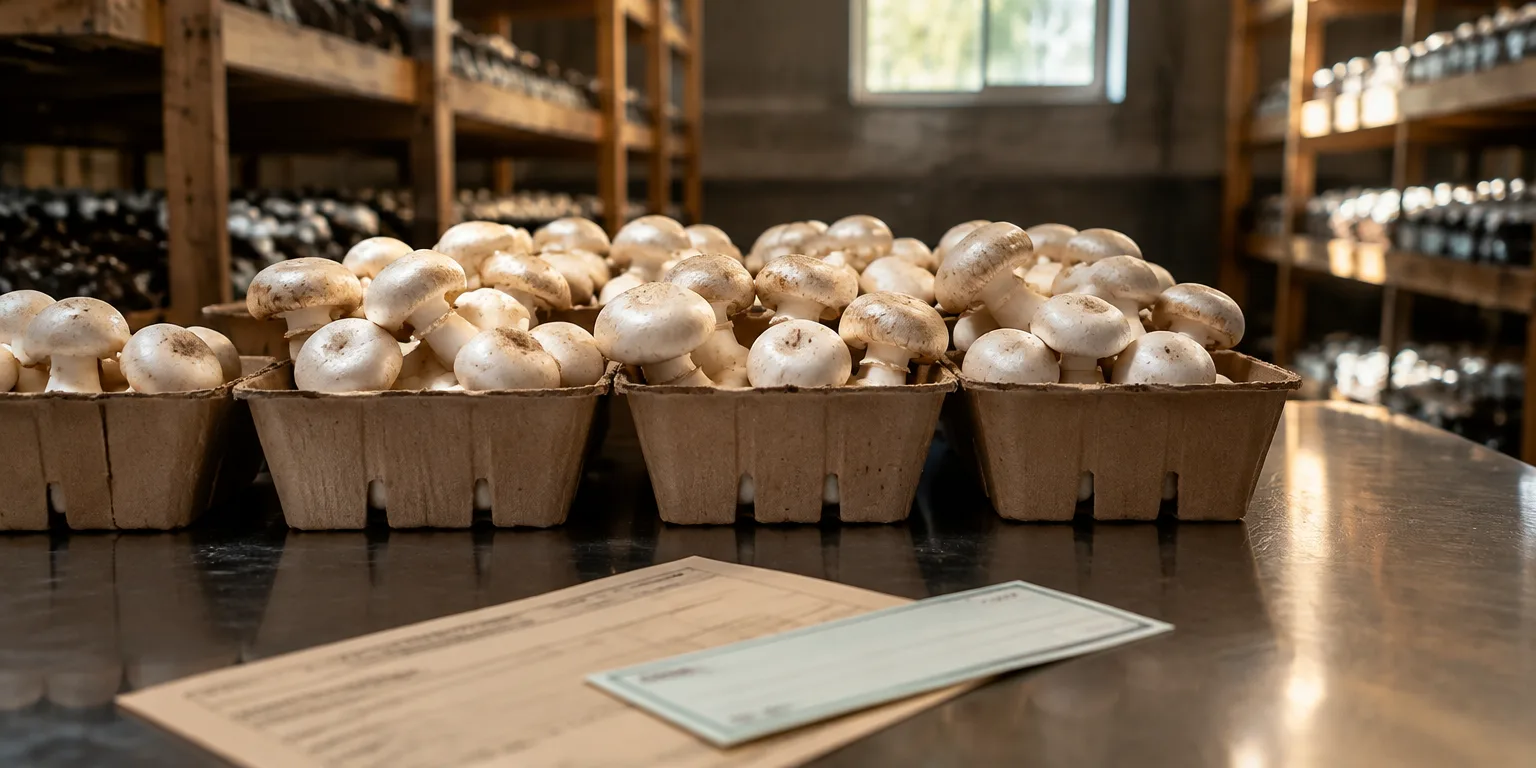
Mushroom growers in America once had to send money to Washington every year so Washington could advertise mushrooms. The federal farm agency collected the payments and used them to produce ads urging Americans to eat more mushrooms.
Benjamin, a First Amendment attorney, described the requirement while standing in front of the U.S. Department of Agriculture headquarters in Washington, a gigantic set of federal buildings. Carved into the stone are the words, "It is the people's department," a phrase President Abraham Lincoln used for the place.
The department now operates with an annual budget of more than $380 billion and more than 100,000 employees. Benjamin said its budget and headcount keep growing every year.
The department runs what Benjamin called agricultural forced speech programs, in which growers in many farm-related businesses must pay mandatory fees for promotion. Growers sued, saying the government could not make them pay for ads they opposed. A free speech case invalidated the program.
As Benjamin retold the growers' argument, "I think I'm perfectly capable of doing my own advertising. I don't need the fine folks at the USDA to do so, smart as they may be."
He also cited a raisin case where a farmer fought federal rules. In that case, a farmer named Mr. Horne refused to hand over part of his crop under a government set aside formula, received a $750,000 fine, and won at the U.S. Supreme Court under the Takings Clause.
About constitutional litigation, Benjamin said, "I love bringing government bodies back to the people, back to the original purpose."
Questions people ask
Was this only about mushrooms?
No. The federal government has created similar mandatory payment programs, often called checkoffs, for many farm goods, including beef, pork, milk, cotton, and eggs. The money generally funds generic advertising, research, and promotion, such as campaigns urging people to buy more of that product.
Why was forcing mushroom ads a free speech issue?
The First Amendment protects both the right to speak and the right not to be forced to support someone else's message. In 2001, in United States v. United Foods, the Supreme Court ruled the mandatory mushroom payments compelled speech because growers were forced to fund ads with which they disagreed. That made the program unconstitutional.
Do these kinds of farm ad programs still exist?
Yes, many do. After the mushroom decision, the Supreme Court upheld the beef checkoff in 2005 in Johanns v. Livestock Marketing Association, on the grounds that those ads were government speech rather than private compelled speech. That legal distinction has allowed several other checkoff programs to continue.