Nearly 400 Cats and Dogs Live on a French Campus to Taste-Test Pet Food
U.S. cat-food sales topped $17 billion last year, and companies are spending heavily to learn what pets actually prefer.
 The Headlines · A Wall Street Record, and Why India Cut 130 Million Names From Its Voter Roll
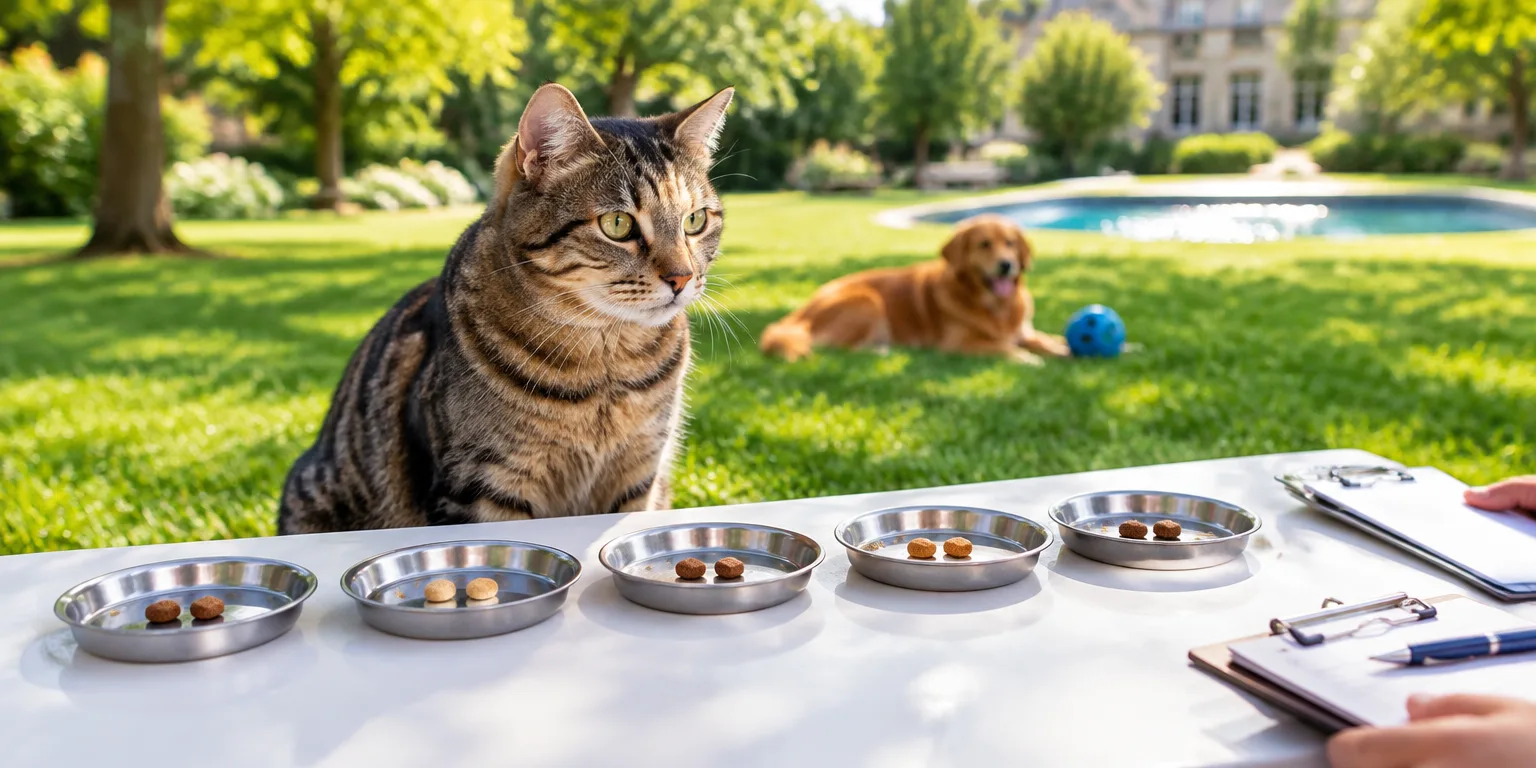
One pet food giant keeps almost 400 cats and dogs on a green campus in France, complete with toys and a pool, just to figure out what your pet wants for dinner.
The residents are professional taste testers. Staff offer them new foods in different textures, flavors, and scents to learn which recipes they like best. In a typical test, researchers set out a pair of kibbles on weighing dishes and track how much of each a cat eats.
They also watch what happens after the bowl is empty, noting whether the animals seem more lethargic than usual or more playful.
It is serious science for a booming business. In the U.S. alone, shoppers bought over $17 billion worth of cat food last year, up more than 10% in just a couple of years.
Questions people ask
Why is pet food such a big business right now?
Pet ownership surged during the pandemic, and many of those animals are now middle-aged and need specialized diets. Owners also tend to treat pets like family members, and studies show people will cut their own spending before they skimp on their pets.
Why are cats famously pickier than dogs?
Cats evolved as strict meat eaters, so they are highly sensitive to the taste and smell of protein and fat. They lack a strong sweet taste response, but they have an umami receptor that makes savory flavors like meat and fish especially appealing.
Do cats really love tuna more than other foods?
Yes. Researchers have found that tuna contains compounds that strongly trigger a cat's umami receptor, essentially making it taste like super savory food to them. That intensity helps explain why many cats will choose tuna over other flavors.